After a Knee Replacement: Comparing Home Recovery With Facility Rehab
A knee replacement does not automatically determine whether an older adult should recover at home or in a facility.

Helpful guides for families comparing nursing homes, assisted living, memory care, rehab, retirement communities, and skilled nursing options.

A knee replacement does not automatically determine whether an older adult should recover at home or in a facility.
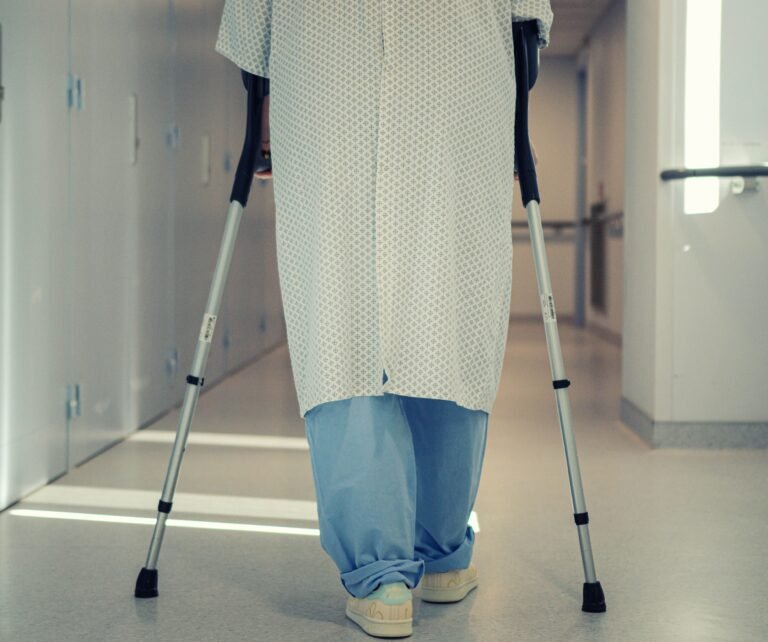
Weight-bearing status is a clinical restriction that can change almost every part of a rehabilitation discharge plan.
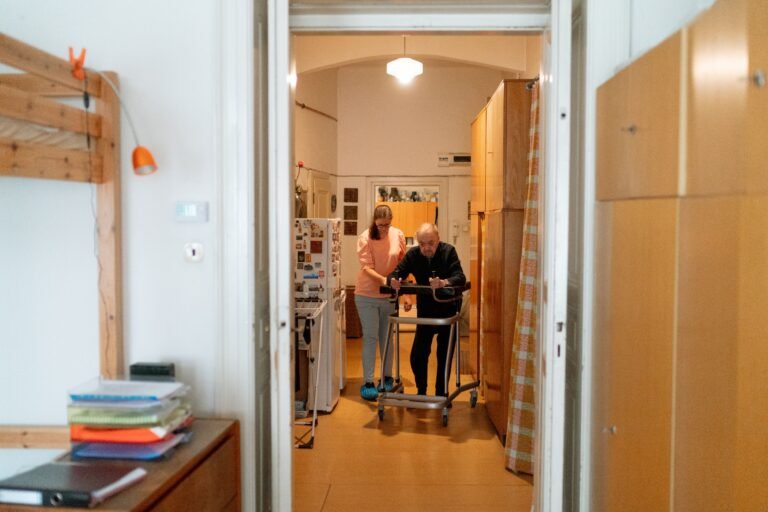
A dementia diagnosis does not automatically mean rehabilitation cannot help.

A family does not need to attend every therapy session to understand whether rehabilitation is moving in a useful direction.
Pain can make a rehabilitation session look like a motivation problem when the real issue is that a movement, position, treatment schedule, or medical condition is making participation difficult.
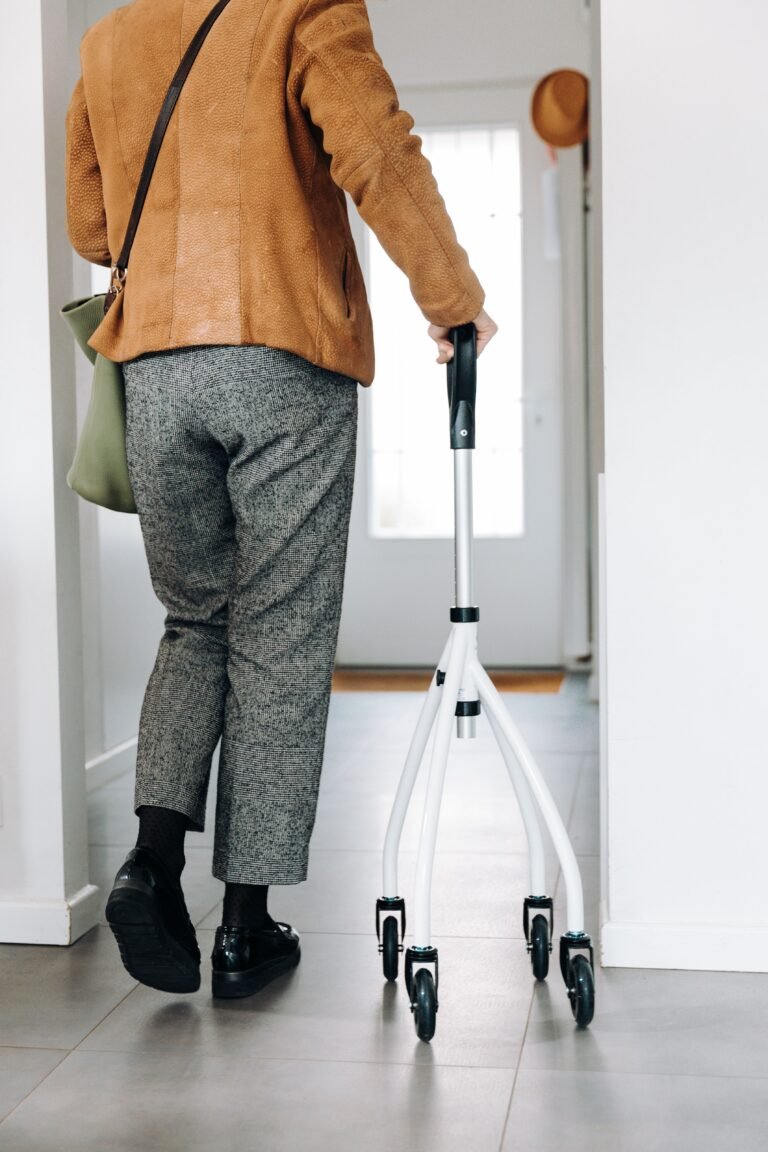
Fear can become a major barrier in rehabilitation after a fall, fracture, surgery, prolonged illness, or a frightening transfer experience.

A rehab goal can feel too easy to a family that remembers the parent’s old abilities—or too hard when the parent is struggling today.

A canceled therapy session can be frustrating, especially when the family believes every day matters. But one missed session does not by itself prove neglect or loss of Medicare coverage.

Skilled nursing rehabilitation may include individual, concurrent, or group therapy. Families sometimes assume that individual therapy is always superior or that group therapy is automatically a cost-cutting substitute.
Physical therapy, occupational therapy, and speech-language pathology often overlap in a skilled rehabilitation stay, but they are not interchangeable.