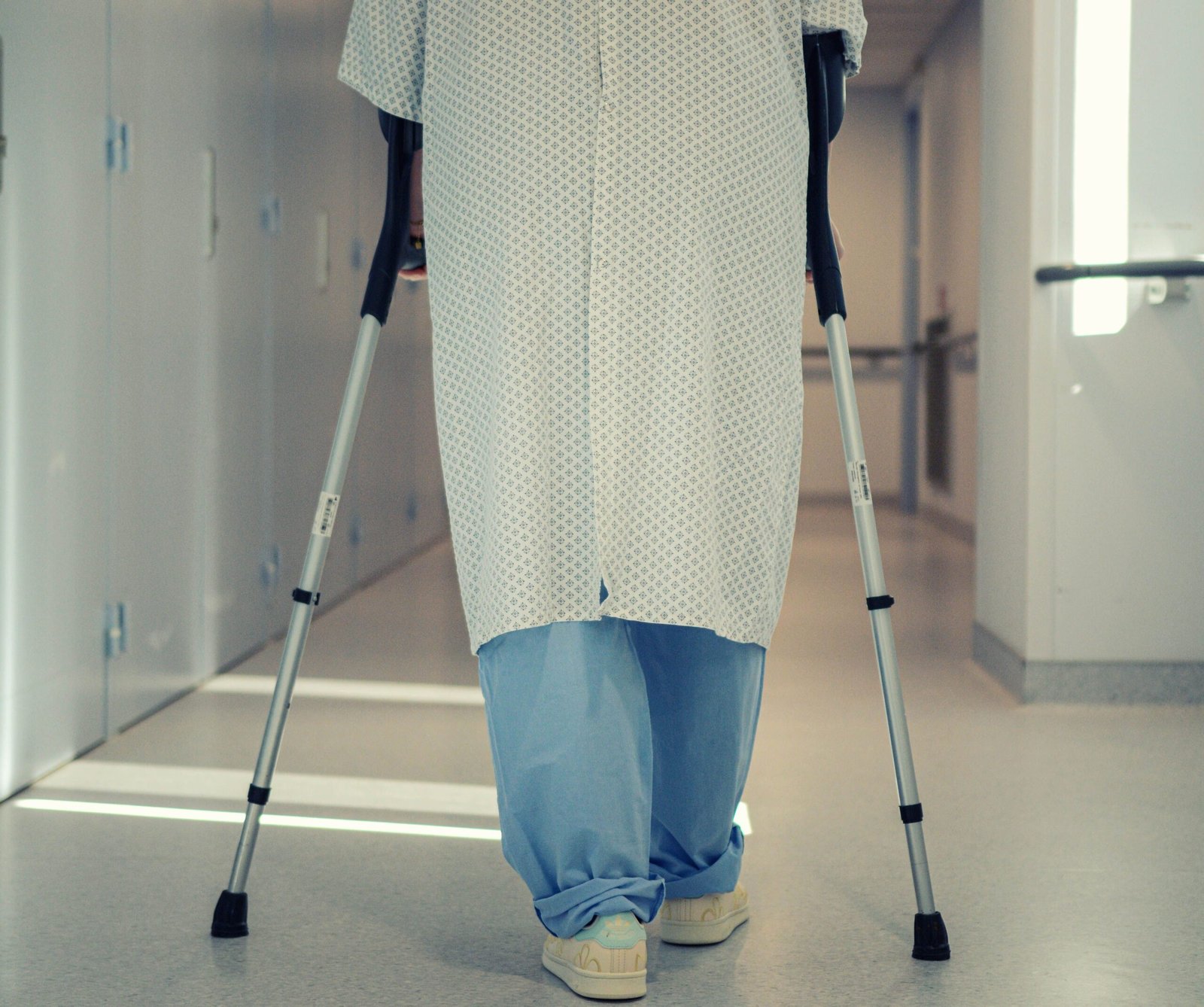
What Does Weight-Bearing Status Mean for a Rehab Discharge Plan?
Weight-bearing status is a clinical restriction that can change almost every part of a rehabilitation discharge plan.
The phrase may describe how much weight the person is allowed to place through an injured or surgical limb while standing, walking, or transferring.
Families should not translate the restriction into their own exercise progression. Ask the treating team to state the exact current order, how it affects daily tasks, and when it will be reassessed.
Ask for the exact wording
Common phrases can include:
- non-weight-bearing;
- toe-touch/touch-down weight-bearing;
- partial weight-bearing;
- weight-bearing as tolerated; or
- full weight-bearing.
Definitions and practical instructions should come from the treating surgeon/clinician and therapy team.
Do not rely on a family member’s interpretation of abbreviations in a note.
Connect the order to daily tasks
Ask the therapist:
- How does this restriction affect bed-to-chair transfer?
- Toilet transfer?
- Shower/tub access?
- Walking?
- Stairs?
- Car transfer?
- Standing for dressing?
- Use of walker/crutches/wheelchair?
A restriction that seems manageable in the therapy gym may create a major care gap in a small bathroom or multi-level home.
Ask how much assistance is required
A resident may technically follow the restriction in therapy but still need substantial help.
Record:
Transfer assistance: ______
Walking assistance: ______
Stair status: ______
Wheelchair need: ______
Equipment: ______
Ask who changes the restriction
Usually the treating surgeon or responsible clinician determines when a weight-bearing order changes, often based on healing, follow-up, imaging, or clinical assessment.
Ask:
- Who owns the order?
- When is follow-up?
- Are new images/tests expected?
- How will the rehab team receive an updated restriction?
Do not advance the restriction because the resident “feels ready.”
Make sure discharge paperwork matches
A stale referral can contain an older restriction.
Before discharge, confirm the current status appears in:
- therapy instructions;
- discharge summary;
- equipment plan;
- home health referral;
- receiving-facility handoff; and
- caregiver training.
Weight-bearing discharge card
Exact written restriction: ____________________
Ordering clinician: ____________________
Date of order: ____________________
Transfer assistance: ____________________
Walking/device: ____________________
Stairs: ____________________
Wheelchair need: ____________________
Next reassessment: ____________________
Caregiver trained: Yes / No / N/A
Receiving team has current order: Yes / No
Frequently asked questions
Can “weight-bearing as tolerated” mean walking without help?
No. The person may still need a device, cueing, or physical assistance.
Can therapy increase weight-bearing?
Only within the current clinical order and treating-team plan.
Does non-weight-bearing automatically require a nursing home?
No. The safe setting depends on function, home layout, equipment, support, and other medical needs.
The practical goal
The discharge plan should reflect the current clinical restriction and the resident’s actual ability to live within it.
Do not let an outdated or vaguely understood weight-bearing instruction drive a risky transition.
Related NHP guides
Primary sources checked
*Editorial/source review: October 15, 2026. General education only. Pain treatment, precautions, therapy progression, mobility, exercise, and discharge readiness must be individualized by the treating team.*