Can Therapy Continue After Moving Into Assisted Living?
Moving from rehab into assisted living does not necessarily mean therapy stops.

Helpful guides for families comparing nursing homes, assisted living, memory care, rehab, retirement communities, and skilled nursing options.
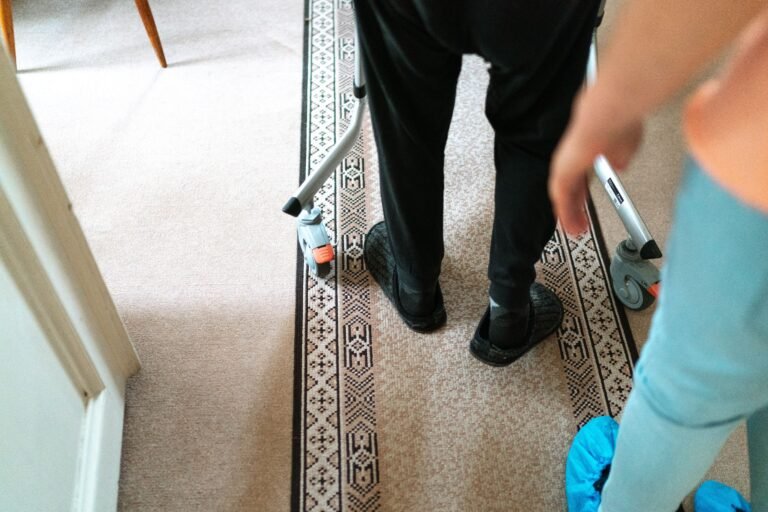
Moving from rehab into assisted living does not necessarily mean therapy stops.

Families can be surprised when rehab says a parent who expected to return home now needs “more supervision.”

A home exercise plan is most useful when it is individualized, demonstrated, and tied to the resident’s current restrictions.

A wheelchair can solve one mobility problem and reveal several others.

Rehabilitation can look successful in a wide hallway with grab bars, level flooring, raised equipment, and a therapist standing nearby.

A resident who says “no” to therapy may be expressing more than unwillingness.

After a long hospitalization, a referral to speech-language pathology may have nothing to do with pronunciation.
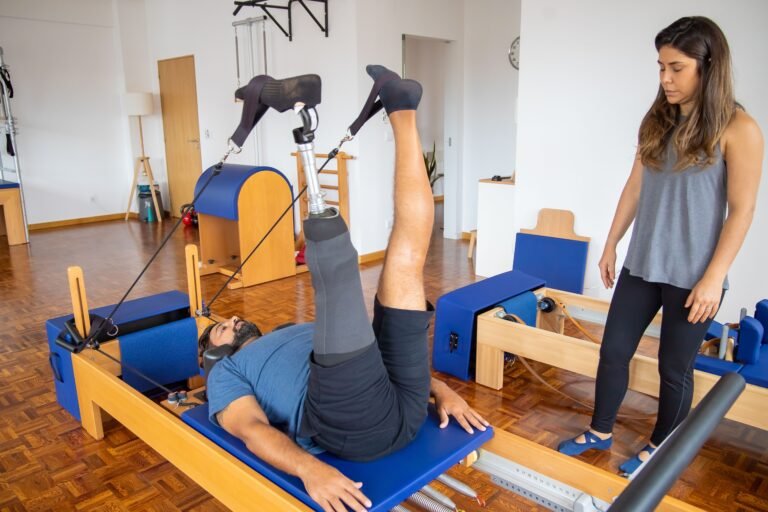
Amputation rehabilitation is not simply “learning to walk with a prosthesis.”

A long ICU stay can leave an older adult with a very different starting point from the person who entered the hospital.

Shoulder surgery can create a care gap even when the person can still walk.