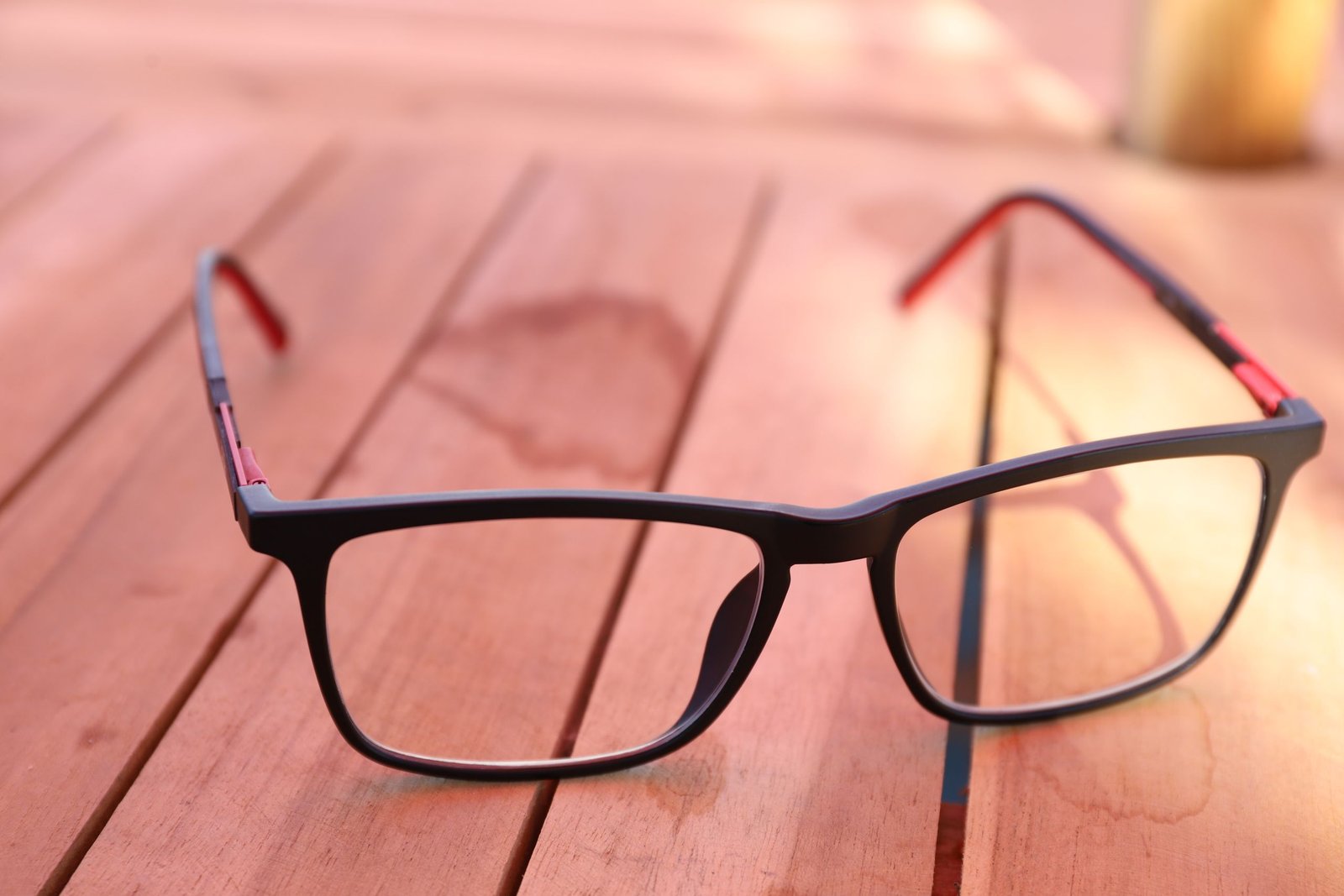
How to Check That Glasses, Dentures, and Hearing Aids Are Available Each Day
A hearing aid in an unlabeled cup at the nurses’ station does not help the resident during breakfast. Neither do glasses left in a drawer after bathing or dentures that cannot be found when the meal tray arrives.
For many nursing-home residents, these small personal devices are part of communication, eating, orientation, comfort, and independence.
The useful family question is not simply, “Does my parent have the device?” It is:
“How does the device get to the resident, stay usable, and return to the same safe place every day?”
Start with the resident’s actual daily routine
Make a short device list instead of relying on memory.
| Device | When it is normally used | Usual storage place | Help needed |
|---|---|---|---|
| Glasses | ____________________ | ____________________ | ____________________ |
| Dentures | ____________________ | ____________________ | ____________________ |
| Hearing aid(s) | ____________________ | ____________________ | ____________________ |
| Charger/batteries/case | ____________________ | ____________________ | ____________________ |
Ask the resident what they prefer whenever they can participate.
Federal nursing-home rules require person-centered assessment and care that considers communication, vision, dental and nutritional status, functional ability, customary routine, and resident preferences. The daily device routine should therefore fit the person, rather than forcing every resident into the same storage system.
Decide where each item belongs
A consistent location reduces searching and accidental loss.
Ask:
- Where are glasses placed overnight?
- Where are dentures stored when they are removed?
- Where are hearing aids placed for sleep, bathing, or charging?
- Is the case or container clearly associated with this resident?
- Is the storage location accessible to the resident if self-use is appropriate?
- Who helps if the resident cannot safely manage the item alone?
Avoid putting identifying medical details on anything visible to other residents or visitors. The facility can explain how it labels personal items while protecting privacy.
Ask who handles cleaning and charging
Ownership of a device does not automatically mean the resident can maintain it independently.
The care team may need to know whether the resident can:
- clean glasses;
- place and remove dentures;
- perform routine denture hygiene;
- insert or remove hearing aids;
- recognize a low battery;
- connect a charger; or
- tell staff when a device is uncomfortable or not working.
Federal nursing-home quality-of-life rules include assistance with personal and oral hygiene when a resident cannot carry out those activities independently. The resident’s assessment and care plan should determine what help is needed.
Families should not change hearing-aid programming, dental appliances, or other clinical-device settings themselves. Report problems to staff and the appropriate clinician or device professional.
Build the routine around the times the device matters most
A device may need to be available before a particular part of the day.
Examples:
- hearing aids before a care-plan meeting or complex conversation;
- glasses before reading menus, activity calendars, or consent information;
- dentures before meals if that is the resident’s usual and clinically appropriate routine; and
- all needed communication aids before an outside medical appointment.
Ask how the routine is communicated across shifts so it does not depend on one familiar staff member being present.
Know what federal rules say about vision and hearing support
For Medicare- and Medicaid-certified nursing homes, federal quality-of-care rules address vision and hearing. When needed, the facility must assist residents in making appointments and arranging transportation for professional services related to vision, hearing, and assistive devices.
CMS interpretive guidance also explains an important distinction: this does not mean the facility is automatically required to purchase glasses or hearing aids. When a device is lost, the guidance says facilities should assist the resident or representative in locating available resources and arranging services needed to replace it.
That makes a loss-response plan worth discussing before anything disappears.
Create a loss or damage response plan
Ask:
- Who should the resident or family notify first?
- Where are misplaced personal devices usually checked?
- How is the loss documented?
- Who helps determine whether repair or replacement is needed?
- How are appointments and transportation arranged when professional replacement is necessary?
- Who discusses payment or coverage questions with the resident or representative?
Do not assume every loss creates automatic facility financial liability. Liability can depend on the facts, applicable law, facility policy, and any investigation of what occurred.
Watch for a device problem that looks like a behavior problem
If a resident suddenly seems less responsive, misunderstands directions, withdraws from activities, or has difficulty eating, do not automatically blame dementia, personality, or “noncompliance.”
First check simple possibilities, including whether the resident’s usual glasses, dentures, or hearing aids are present and working as expected.
At the same time, a sudden or meaningful change in communication, alertness, eating, or function can have many causes. It deserves appropriate clinical evaluation rather than being attributed only to a missing device.
A practical family checklist
During a visit, confirm:
- [ ] Glasses are where the resident expects them.
- [ ] Lenses are reasonably clean and the frames appear intact.
- [ ] Dentures are available at the expected time and stored in the agreed location when removed.
- [ ] Hearing aids are present, charged/powered as intended, and in the resident’s possession when needed.
- [ ] Cases, chargers, and routine supplies are easy for staff to identify.
- [ ] The resident can ask for help if a device is missing or not working.
- [ ] Staff know what assistance the resident needs with each device.
- [ ] The care plan/routine has been revisited if abilities have changed.
This is not an invitation for family members to perform a technical device inspection. The goal is to notice whether the daily access system is working.
Frequently asked questions
Does the nursing home have to buy replacement glasses or hearing aids?
Federal guidance does not create a blanket requirement for the facility to purchase these items. It does require relevant assistance with needed services and, when a device is lost, assistance locating resources and arranging services for replacement. State law, contracts, payment source, or the facts surrounding a loss may affect responsibility.
Can the family ask that the device routine be added to the care plan?
Yes. Residents have the right to participate in person-centered care planning and request revisions. If a device is necessary for communication, eating, function, or participation, ask how the resident-specific need is reflected in the plan.
What if my parent no longer knows how to use a hearing aid or dentures safely?
Tell nursing staff and request assessment by the appropriate care team or clinician. Do not independently change a device, treatment, or prescribed routine.
The practical goal
A good system makes the resident’s important personal devices predictable:
same resident, clear location, appropriate assistance, working routine, and a known response when something is missing.
Primary sources checked
- eCFR — 42 CFR § 483.10, Resident Rights
- eCFR — 42 CFR § 483.20, Resident Assessment
- eCFR — 42 CFR § 483.24, Quality of Life
- eCFR — 42 CFR § 483.25, Quality of Care
- CMS — State Operations Manual, Appendix PP
Editorial/source review: October 16, 2026. General U.S. education only. Device use, replacement, payment responsibility, and clinical support depend on the resident’s assessment, applicable law, coverage, facility policy, and professional recommendations.
Next step for families: Browse senior-care communities to compare local options, or use the Care Finder to organize the care needs and your next questions. Always verify current services, staffing, clinical capability, costs, and availability directly with the provider.