An Older Parent Needs Care During Radiation Therapy: Comparing Settings
When an older parent starts radiation therapy, families may discover that the treatment appointment is only one part of the care problem.
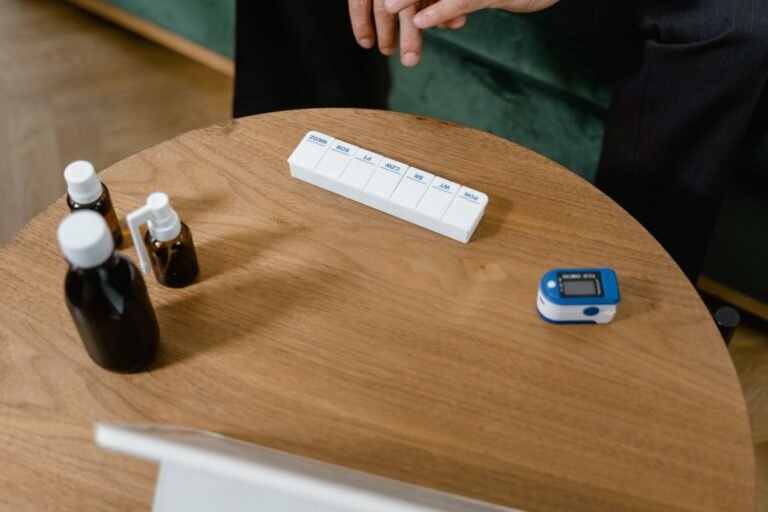
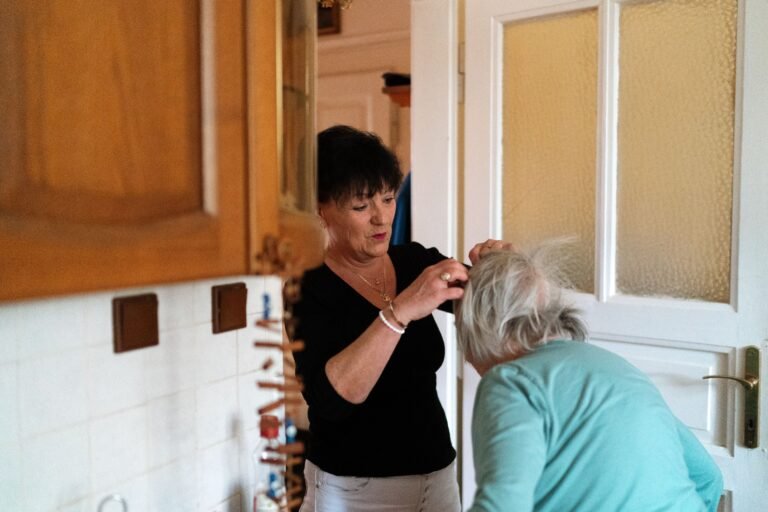
The parent may still need help getting dressed, eating, walking safely, remembering appointments, managing medications, or recovering from fatigue between visits.
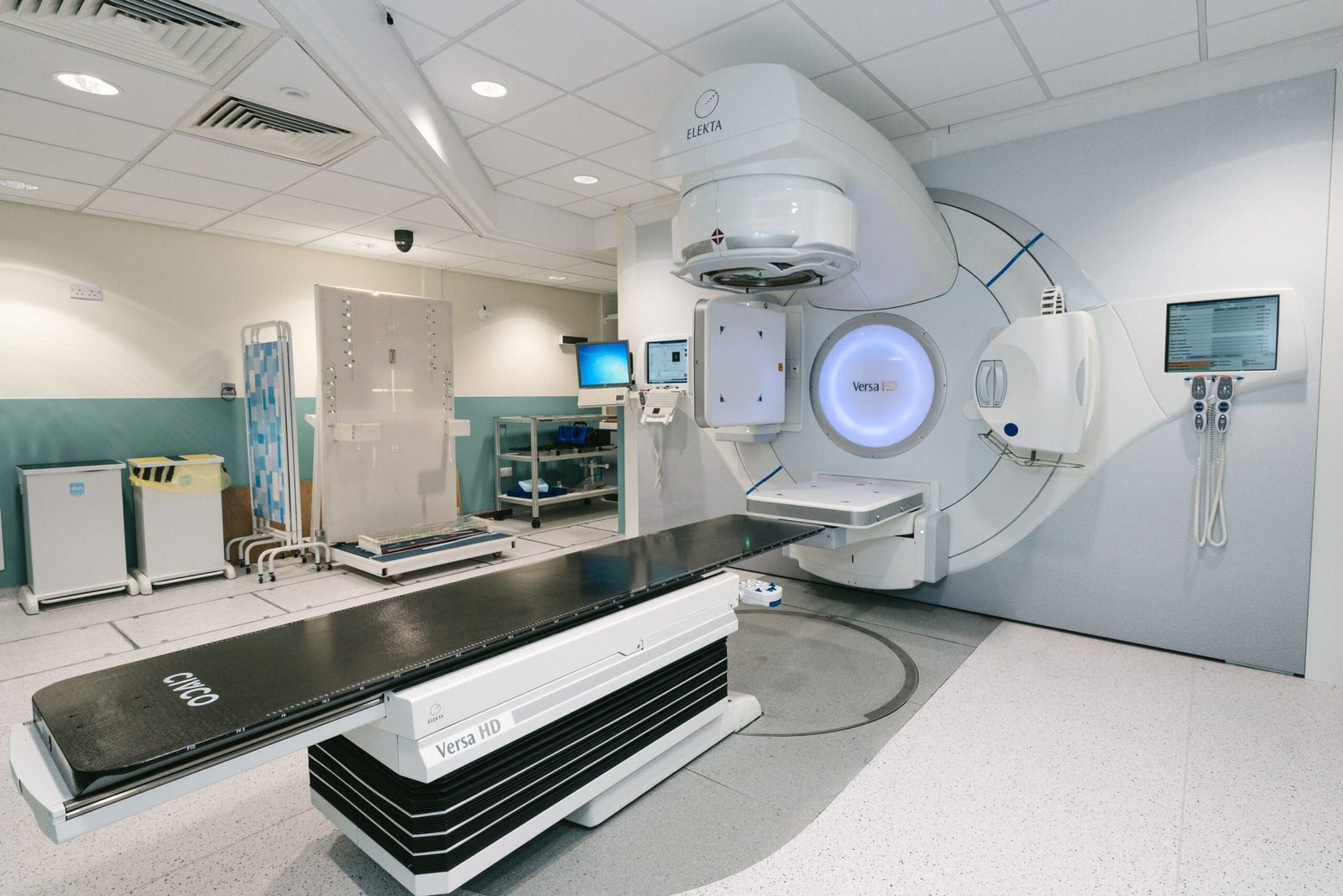
NCI notes that most external-beam radiation therapy is delivered on an outpatient basis. That makes transportation and support between treatments especially important when choosing a care setting.
First, map the actual treatment schedule
Radiation schedules vary by diagnosis, treatment type, and oncology plan.
Ask the radiation-oncology team for the current schedule rather than assuming treatment is always five days per week or lasts a certain number of weeks.
Write down:
Treatment center: ____________________
Treatment days: ____________________
Appointment time: ____________________
Expected course end date: ____________________
Oncology contact: ____________________
Required labs or other visits: ____________________
A care setting should be compared against this real schedule.
Compare settings by transportation reliability
For a parent who needs frequent outpatient visits, transportation can determine whether a placement is workable.
Ask each option:
- Who books the ride?
- Is transportation provided directly or through a third party?
- Is an escort required?
- Can the resident travel with a wheelchair or other prescribed equipment?
- What happens if treatment is delayed at the clinic?
- Can the plan accommodate an added oncology appointment?
- Who communicates a missed or canceled visit to the oncology team?
A facility that provides excellent daily personal care may still be a poor fit if repeated treatment trips cannot be supported reliably.
Expect support needs to change over the course of treatment
NCI explains that fatigue is common during radiation therapy and may increase after treatment begins.
That does not mean every person will become severely fatigued, and it does not justify assuming every new symptom is "just radiation."
Instead, ask how the care setting responds when a resident needs more help than they did the week before.
Can assistance increase for:
- dressing and bathing;
- walking to meals;
- transfers;
- meal setup or eating;
- hydration reminders;
- rest periods; or
- transportation preparation?
If the parent has a sudden or substantial decline, ask for clinical evaluation.
Know which side effects should be reported
Radiation side effects depend partly on the area being treated. NCI advises patients to discuss expected side effects with their radiation team.
The facility or home-care team should have written instructions for what the oncology team wants reported.
Rather than memorizing a generic list, families can ask:
- What symptoms are expected for this treatment area?
- Which symptoms require a same-day oncology call?
- Which changes require emergency evaluation?
- Who at the care setting makes that call?
- Where are the instructions documented?
This keeps the support team within its role and routes treatment questions back to oncology.
Compare home care, assisted living, rehab, and nursing care by the help actually needed
Home with home care
May work when the parent can remain safely at home and the family can arrange the needed hours of personal assistance, meals, medication support, and transportation.
Assisted living
May fit when the parent primarily needs help with daily activities and reminders, but medical needs remain within what the community is licensed and staffed to provide. Rules vary by state.
Skilled nursing or rehabilitation
May be appropriate when the parent has nursing needs, significant functional loss, a recent hospitalization, or ordered rehabilitation that requires a higher level of support.
Long-term nursing-home care
May be considered when ongoing nursing and hands-on assistance are needed beyond a short rehabilitation period.
The diagnosis of cancer or the use of radiation therapy does not, by itself, determine which setting is correct.
Ask about meals and hydration without prescribing a diet
Radiation can affect appetite, swallowing, bowel function, or other symptoms depending on the treatment area.
Ask the oncology team whether there are current nutrition or hydration instructions and make sure the care setting can follow them.
Do not independently start supplements, alter prescribed diets, or assume a generic "cancer diet" is appropriate.
Build a weekly check-in
Treatment needs can change quickly enough that a placement chosen at the beginning of radiation may need adjustment.
Once each week, review:
Appointments completed: ____________________
New symptoms reported: ____________________
Change in walking or transfers: ____________________
Change in eating/drinking: ____________________
More help needed with ADLs: ____________________
Next oncology question: ____________________
This is not a medical assessment. It is a way to notice when the support plan no longer matches daily life.
Frequently asked questions
Does radiation therapy always require nursing-home care?
No. Many people receive radiation as outpatients and live at home. Care setting should be based on the person’s overall medical, functional, cognitive, and support needs.
Is fatigue during radiation normal?
Fatigue is common, but a significant new decline still deserves clinical review. Do not assume the cause without speaking with the treating team.
Can assisted living transport someone to radiation every day?
Some communities may offer transportation, but frequency, distance, escort requirements, and scheduling policies vary. Verify the exact arrangement before choosing the setting.
The practical goal
Choose the setting that can reliably support both sides of the week: getting the parent to treatment and helping them function safely between treatments.
Primary sources checked
- National Cancer Institute — External Beam Radiation Therapy for Cancer
- National Cancer Institute — Radiation Therapy Side Effects
- National Cancer Institute — Fatigue and Cancer
Editorial/source review: October 16, 2026. General education only. Radiation schedules, symptom thresholds, nutrition instructions, transportation fitness, and level-of-care decisions require individualized guidance from the treating team and verification of the care setting’s actual capabilities.
Next step for families: Browse senior-care communities to compare local options, or use the Care Finder to organize the care needs and your next questions. Always verify current services, staffing, clinical capability, costs, and availability directly with the provider.