Tracheostomy Care in Nursing Homes: How to Compare Facilities
A resident with a tracheostomy may need a nursing home with specific respiratory-care capability.
The question is not simply whether a facility says it “takes trach patients.”
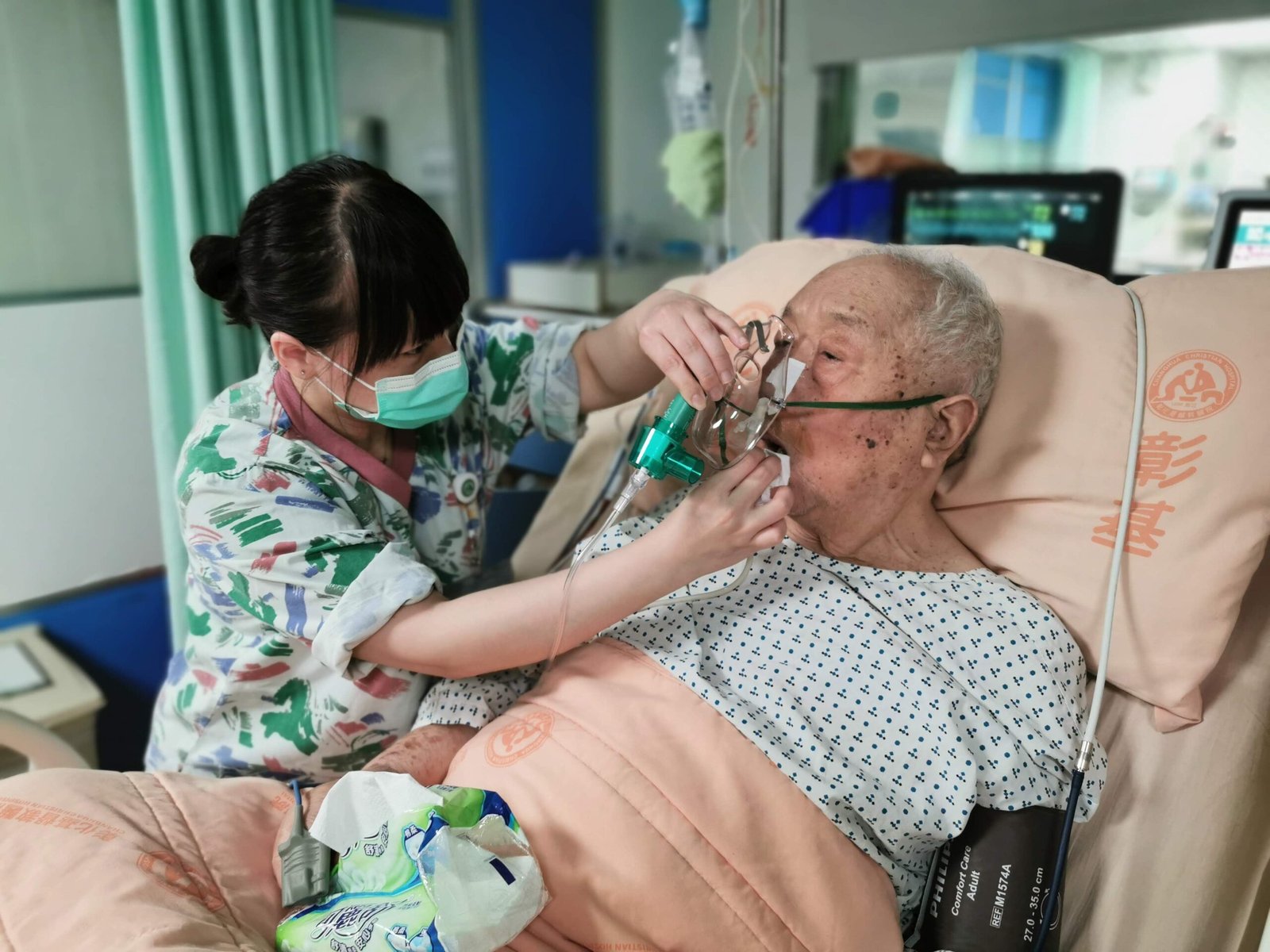
Ask whether staff can provide the exact tracheostomy care, suctioning, humidification, oxygen, emergency response, equipment management, and clinical monitoring ordered for your parent.
Federal nursing-home quality-of-care rules specifically identify tracheostomy care and tracheal suctioning among specialized services that must be provided according to professional standards and the resident’s person-centered care plan.
Know why the tracheostomy is present
Ask the hospital or respiratory team:
- Why was the tracheostomy placed?
- Is it temporary or expected to be long term?
- Is the resident breathing independently?
- Is oxygen required?
- Is mechanical ventilation involved?
- How often is suctioning needed?
- Can the resident clear secretions independently?
- Is speaking-valve use ordered?
These answers change the level of care required.
Ask about staff competency
Ask the nursing home:
- Which nurses are trained in tracheostomy care?
- Are trained staff present on every shift?
- Who performs suctioning?
- Who changes or cleans inner cannulas when ordered?
- Who changes ties and dressings?
- Is respiratory therapy available?
- Is respiratory therapy on site or on call?
A facility may accept a stable tracheostomy while being unable to manage a ventilator-dependent resident.
Ask about suctioning
MedlinePlus notes that excess mucus that is difficult to cough or suction can require clinical attention.
Ask:
- Is suction equipment available at bedside?
- Who decides when suctioning is needed?
- How is technique standardized?
- What happens when secretions suddenly increase?
- What if the resident becomes short of breath despite suctioning?
Avoid asking family members to perform unfamiliar suctioning without proper training and a clinical plan.
Ask about humidification and secretions
A tracheostomy bypasses some of the normal humidification provided by the nose and upper airway.
The respiratory team may prescribe humidification or other measures.
Ask the facility how it follows the specific order and how staff recognize thick or difficult secretions.
Emergency preparedness is essential
Ask the facility what happens if:
- the tube becomes blocked;
- the tube is displaced;
- the resident has sudden breathing difficulty;
- oxygen fails;
- suction equipment fails; or
- emergency replacement is needed.
The bedside emergency plan should match the resident’s tracheostomy type and clinical status.
Confirm equipment and supplies
Ask who supplies:
- replacement tracheostomy tubes when ordered;
- suction catheters;
- humidification equipment;
- oxygen supplies;
- dressings;
- ties;
- speaking-valve supplies; and
- emergency equipment.
Do not discover after admission that the facility is waiting for a specialty supply.
Swallowing and communication may need support
Some residents with tracheostomies also need:
- speech-language pathology;
- swallowing evaluation;
- communication aids; or
- alternative communication methods.
Ask whether those services are available.
A practical example
A hospital describes Mr. Green as “stable with trach.”
One nursing home accepts stable tracheostomy residents but does not have respiratory therapy and cannot provide frequent suctioning.
Another has nurses trained on every shift, respiratory therapy support, suction equipment at bedside, and a documented emergency plan.
The second facility is a better match for his actual care needs.
Nine questions to compare facilities
- Can you manage this exact tracheostomy?
- Can you manage the resident’s oxygen or ventilator status?
- Who provides suctioning?
- Are trained staff present every shift?
- Is respiratory therapy available?
- What supplies must arrive with the resident?
- What is the emergency plan for blockage or displacement?
- Can speech and swallowing services be provided?
- What change in respiratory status would require hospital transfer?
Use the tracheostomy need to narrow the facility search
Start with the broader nursing-home search process, then verify whether each candidate can manage the exact respiratory and equipment needs. Related complex-care questions include IV antibiotics in skilled nursing and feeding tubes and long-term care.
Sources and review date
Sources checked October 12, 2026.
- MedlinePlus: Tracheostomy Care
- eCFR: 42 CFR §483.25 — Quality of Care