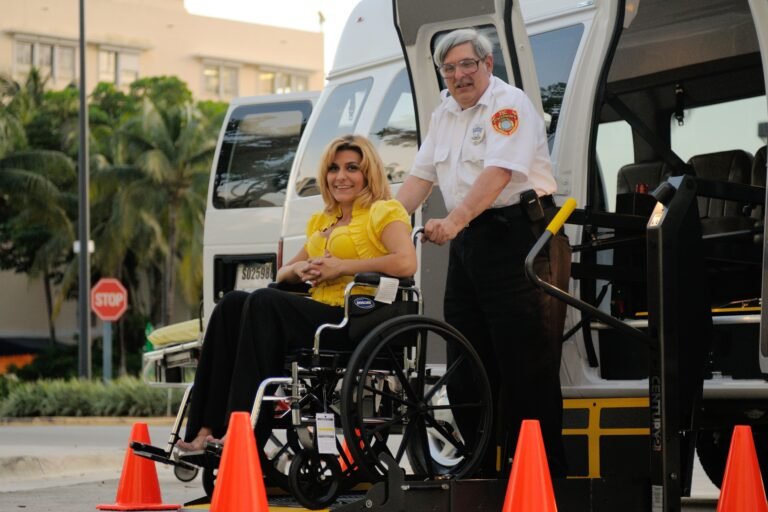
Senior Care After Major Abdominal Surgery: Support Questions for Families
After major abdominal surgery, families often hear that an older adult will "need help for a while."
That phrase is too vague for choosing between home, home health, assisted living, short-term rehabilitation, or nursing-home care.
The better approach is to translate the discharge plan into specific tasks and restrictions.
Get the surgeon’s current instructions first
Do not choose a care setting from a generic abdominal-surgery recovery timeline.
Ask the hospital or surgeon for the current written plan covering:
- activity or lifting restrictions;
- walking expectations;
- incision and dressing instructions;
- bathing instructions;
- medication changes;
- diet or nutrition instructions;
- bowel or bladder concerns;
- equipment needs;
- follow-up appointments; and
- symptoms that require a call or urgent evaluation.
Different operations—and different patients—can have very different recovery plans.
Ask who will monitor the incision
MedlinePlus advises following the surgeon’s instructions for surgical-wound care and contacting the surgical team for concerning changes such as increasing redness, pain, swelling, bleeding, worsening drainage, or a wound that becomes larger or deeper.
Families do not need to become wound-care clinicians.
They do need to know:
- who is expected to look at the incision;
- how often it is assessed under the current order;
- who changes the dressing if a dressing is ordered;
- whether supplies are available;
- how changes are documented; and
- who contacts the surgeon when something looks different.
If the wound has specialized treatment—such as negative-pressure wound therapy—verify that capability separately rather than assuming "wound care" covers every device.
Translate mobility restrictions into daily tasks
A person may be medically ready to leave the hospital and still need substantial help getting through the day.
Ask the physical or occupational therapy team what the person currently needs for:
- getting in and out of bed;
- standing;
- walking to the bathroom;
- toilet transfers;
- dressing lower-body clothing;
- bathing;
- stairs;
- getting into a vehicle; and
- using a walker or other prescribed device.
Do not copy transfer techniques from the internet. The safest method depends on the individual and should be taught by the treating rehabilitation team.
Compare the home environment honestly
Before choosing home, check the actual layout.
Questions include:
- Is the bathroom accessible from the sleeping area?
- Are stairs unavoidable?
- Is someone available when help is needed?
- Can the caregiver safely provide the assistance the therapy team expects?
- Is there room for prescribed equipment?
- Can meals, medications, and appointments be managed during the first days home?
"Family is nearby" is not the same as having reliable help for every required task.
Clarify meals, appetite, and prescribed diet
Major surgery can affect appetite and energy, but nutrition needs vary.
Ask the surgical team whether there is a current diet order or specific nutrition plan. Then verify that the receiving setting can provide it.
Families should report persistent vomiting, inability to eat or drink, or other meaningful changes to the clinical team rather than improvising a new diet or supplement plan.
Reconcile medications before the move
Hospital discharge can produce a medication list that differs from the pre-hospital routine.
Ask:
- Which medicines are new?
- Which old medicines were stopped?
- Which medicines are temporary?
- Which prescriptions must be filled before arrival?
- Who administers them in the receiving setting?
- Who should be called if an order is unclear?
Do not restart an old medication simply because it was used before surgery.
Know what follow-up is already scheduled
Recovery can fail operationally when no one owns the next appointment.
Record:
Surgeon follow-up: ____________________
Staple/suture review if applicable: ____________________
Therapy follow-up: ____________________
Primary-care follow-up: ____________________
Transportation owner: ____________________
Who receives new orders: ____________________
Choosing among settings
Home with family or paid help
May work when the home is safe and needed assistance is reliably available.
Home health
Can add ordered intermittent skilled services in the home, but it is not the same as continuous caregiving. Verify what is actually ordered and how much non-skilled help is still needed.
Assisted living
May help with daily activities, but the community must be able to support the current post-surgical needs within its license and staffing model. State rules vary.
Short-term rehabilitation / skilled nursing
May be appropriate when the person needs nursing oversight and/or ordered rehabilitation after hospitalization.
The right option depends on the actual care plan, not the surgery label alone.
Recovery-support worksheet
Current activity restrictions: ____________________
Walking assistance: ____________________
Transfer assistance: ____________________
Incision/dressing order: ____________________
Diet order: ____________________
Medication changes reconciled: Yes / No
Equipment: ____________________
Therapy plan: ____________________
Next surgical visit: ____________________
Urgent-call instructions: ____________________
Frequently asked questions
How long does recovery take after abdominal surgery?
There is no single useful timeline for every procedure or patient. Use the surgeon’s individualized restrictions and follow-up plan.
Does a person automatically need rehab after major surgery?
No. Rehab need depends on current function, medical needs, therapy assessment, home safety, and available support.
Should family members change the dressing themselves?
Only if the treating team has instructed and trained them to do so. Follow the actual wound-care order.
The practical goal
Before discharge, every important recovery task should have an owner.
A good placement decision is one where the family can say: we know what the surgeon ordered, what help is needed today, and who will provide it.
Primary sources checked
Editorial/source review: October 16, 2026. General education only. Surgical restrictions, wound care, diet, medications, therapy, equipment, and discharge destination require individualized instructions from the treating team.
Next step for families: Browse senior-care communities to compare local options, or use the Care Finder to organize the care needs and your next questions. Always verify current services, staffing, clinical capability, costs, and availability directly with the provider.