Resident Consent to Research or Photography in Senior Care
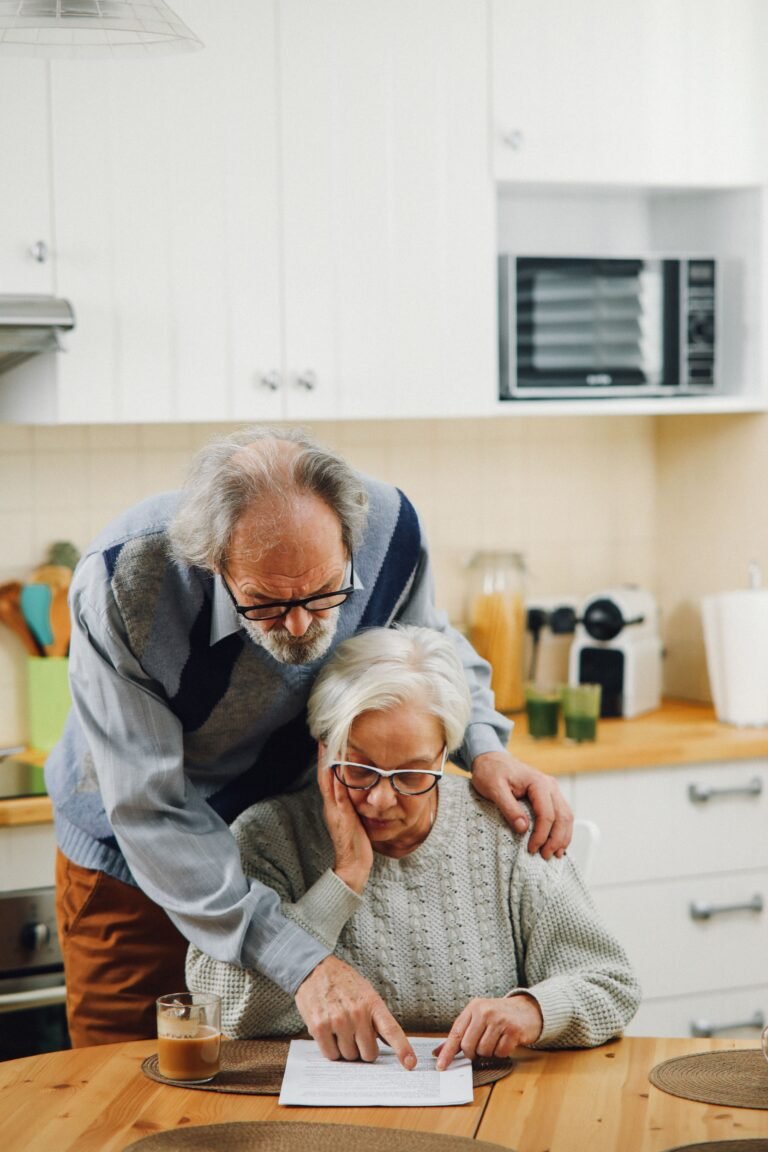
A nursing-home resident may be asked to sign many documents: treatment forms, privacy acknowledgments, research consent, activity releases, or permission to use a photograph.
Families can get into trouble when every signature is treated as the same kind of consent.
The first question is not “Should we sign?” It is:
“What exactly is being requested, who is requesting it, and what will happen if the resident says no?”
That separates routine care from optional research or publicity and helps protect the resident’s own choices.
Treatment consent and research consent are different
Clinical care is provided to evaluate, treat, support, or monitor the resident. Research is designed to produce generalizable knowledge and may involve procedures, surveys, records review, interviews, or other activities depending on the study.
A resident should not assume that agreeing to ordinary nursing-home care means agreeing to participate in a research project.
For research covered by the HHS human-subject protections at 45 CFR part 46, investigators generally must obtain legally effective informed consent from the participant or a legally authorized representative unless an exemption or properly approved waiver applies.
HHS describes informed consent as an active process of sharing information—not merely obtaining a signature.
The person considering participation should have an opportunity to understand:
- that the activity is research;
- its purpose and expected duration;
- what procedures are involved;
- foreseeable risks or discomforts;
- expected benefits, if any;
- alternatives when relevant;
- how identifiable information will be handled;
- whom to contact with questions; and
- whether participation is voluntary.
Do not assume every project in every nursing home is governed by exactly the same research rule. The Common Rule does not apply to every private activity, and FDA requirements can also apply to certain clinical investigations. Ask what oversight applies to the specific project.
“Voluntary” should mean the resident can decline the research
When HHS informed-consent requirements apply, the consent information includes that participation is voluntary, refusal will involve no penalty or loss of benefits to which the person is otherwise entitled, and the participant may discontinue participation without that penalty or loss.
That distinction matters in a nursing home because residents depend on the facility for daily care.
A useful question is:
“If my parent does not participate in this study, will their ordinary care, room, services, relationships with staff, or access to benefits change?”
If anyone suggests that refusing optional research will reduce ordinary care or punish the resident, ask for clarification from the study contact, facility administrator, resident representative if applicable, or the research oversight office listed on the consent materials.
A photo release is not automatically research consent
Photography can occur for very different reasons:
- clinical documentation;
- treatment or wound documentation;
- identification or internal administrative use;
- a research project;
- a family event;
- a facility newsletter;
- marketing or social media;
- staff personal use; or
- news/publicity.
The fact that someone has permission to take a clinical image does not automatically mean the image can be posted publicly.
Likewise, a research consent form should be read for what it actually authorizes. It may or may not address identifiable photographs, recordings, future use, or publication.
Ask separately:
- Who will take the image?
- Why is it being taken?
- Where will it be stored?
- Who can see it?
- Will the resident be identifiable?
- Will it be placed online, in print, or on social media?
- Is the permission one-time or ongoing?
- Can permission be withdrawn for future uses, and what happens to material already distributed?
Do not rely on a vague statement such as “it is just for the facility.”
Nursing-home privacy still matters
Federal nursing-home resident-rights rules protect personal privacy and confidentiality of personal and medical records.
CMS has also issued specific guidance about resident privacy and photographs or audio/video recordings by nursing-home staff. CMS has warned that staff taking or using images in a way that demeans or humiliates a resident can constitute mental abuse.
That guidance is particularly important because a resident can be exposed even when a photo never becomes part of formal medical care.
Families do not need to assume that every staff photograph is improper. They should ask what policy governs the specific use and whether valid permission exists.
Who can give permission?
Start with the resident.
A nursing-home resident retains decision-making rights to the extent the resident is able to exercise them. A diagnosis such as dementia does not by itself tell you who has authority for every decision.
If the resident cannot provide the required consent for a particular research procedure, HHS research rules define a legally authorized representative by reference to applicable law. Who qualifies can therefore depend on the jurisdiction and the decision at issue.
A healthcare power of attorney, guardian, or other representative may have authority for some decisions but not necessarily every form of research, publicity, or commercial use.
Ask the person requesting the signature:
- Why do you believe this individual can consent for the resident?
- What document or state law establishes that authority?
- Does the authority cover research, photography, or both?
- Is the resident still being asked for assent or preference when possible?
For a disputed or high-stakes question, families may need qualified legal advice about state law rather than relying on a generic facility form.
Do not use family convenience as a substitute for resident choice
A family member may think a study sounds worthwhile or a facility photo seems harmless.
But the resident’s preferences remain central.
If the resident says, “I do not want my picture taken,” “I do not want to answer these questions,” or “I want to stop,” do not dismiss that statement simply because a relative previously signed something.
Ask the facility or research team how the resident’s present wishes are handled and what applicable consent rules require.
Read the form for future-use language
Research and photography permissions sometimes include language about future use.
Look for terms such as:
- future research;
- secondary research;
- de-identified information;
- identifiable information;
- biospecimens;
- publication;
- commercial use;
- educational use;
- social media;
- promotional use; or
- authorization expiration.
Do not assume “de-identified” means a photograph cannot reveal identity. A face, room detail, name badge, voice, tattoo, or background information may identify a person even when a name is omitted.
Ask what will actually appear and who controls it.
Keep copies of what was signed
For any meaningful consent or release, keep a copy showing:
- the form title;
- version/date;
- person who signed;
- capacity in which that person signed;
- date signed;
- study or project contact;
- scope of permission; and
- withdrawal/contact instructions if provided.
If a family later has a question, the actual document is much more useful than “I think we signed something during admission.”
What if the resident already appeared in a photo or study?
Start with facts rather than accusations.
Ask:
- What permission was relied on?
- Who obtained it?
- What use was authorized?
- Where has the material been distributed?
- Is the image or data still being used?
- Who handles privacy or research-subject concerns?
If the concern involves humiliating or abusive staff imagery, resident safety, or a possible privacy violation, use the appropriate facility, State Survey Agency, Long-Term Care Ombudsman, HHS privacy, or law-enforcement channel depending on the facts. Do not post another resident’s image publicly in an attempt to prove the concern.
Frequently asked questions
Can a nursing home automatically enroll residents in research?
Not simply because they live there. When HHS human-subject research protections apply, informed consent is generally required unless a regulatory exemption or properly approved waiver applies. The exact rules depend on the project and oversight.
Is a family member’s signature always enough?
No. Authority depends on the resident’s capacity, the type of decision, the governing law, and the representative’s legal authority. Research rules may specifically require consent from the subject or a legally authorized representative.
If a resident refuses research, can the nursing home reduce ordinary care?
For research subject to HHS informed-consent requirements, refusal must not involve penalty or loss of benefits to which the subject is otherwise entitled. Ask the research contact immediately if participation appears tied to ordinary care.
Does permission to take a photo mean the facility can post it online?
Not necessarily. The scope of permission matters. Clinical, research, internal, educational, and promotional uses are different. Read the release and ask where the image will be used.
Is this the same as HIPAA authorization?
Not automatically. HIPAA, research informed consent, nursing-home resident rights, state privacy law, and a photo/publicity release can overlap but are not interchangeable. Ask which rule or permission the requester is relying on.
The practical goal
Before anyone signs, identify the purpose, the decision-maker, the governing permission, the privacy consequences, and the resident’s ability to say no.
The safest consent is not the form signed fastest. It is the decision the resident or valid representative actually understands.
Primary sources checked
- HHS Office for Human Research Protections — Informed Consent FAQs
- eCFR — 45 CFR § 46.116, General Requirements for Informed Consent
- eCFR — 42 CFR § 483.10, Resident Rights
- CMS — Protecting Resident Privacy and Prohibiting Mental Abuse Related to Photographs and Audio/Video Recordings by Nursing Home Staff
- HHS — HIPAA Research Guidance
Editorial/source review: October 16, 2026. General U.S. education only. Research oversight, representative authority, privacy law, recording law, and publicity rights can vary by project and state. This article does not provide individualized legal or medical advice.
Next step for families: Browse senior-care communities to compare local options, or use the Care Finder to organize the care needs and your next questions. Always verify current services, staffing, clinical capability, costs, and availability directly with the provider.