Photos and Videos in Nursing Homes: Consent and Privacy Questions
Taking a photo of a birthday cake in a nursing-home room may seem harmless.
But the image can also capture:
- the resident in a vulnerable condition;
- a roommate;
- a medication label;
- a whiteboard with health information;
- staff providing care;
- a private conversation;
- another resident walking past the doorway; or
- details that are later posted publicly.
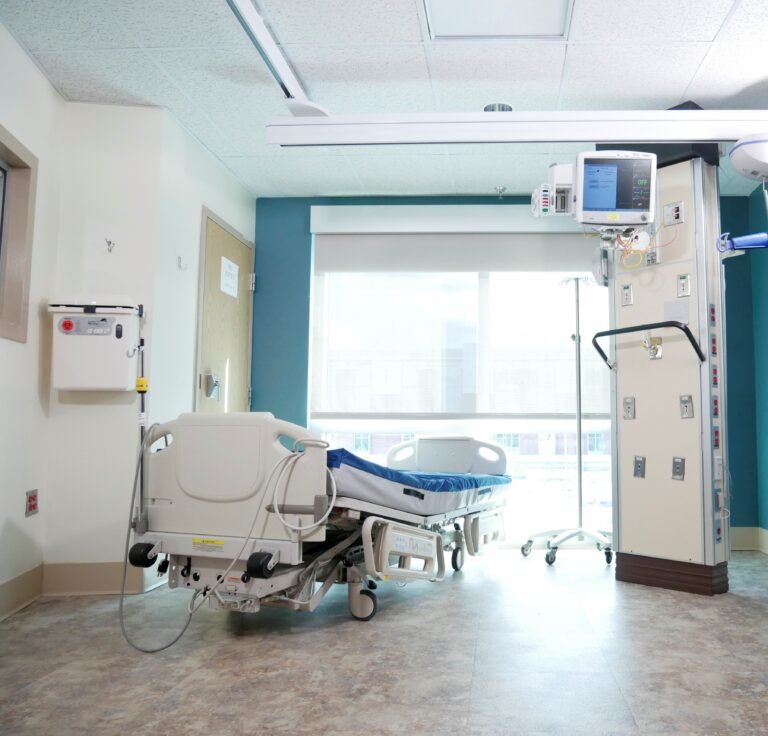
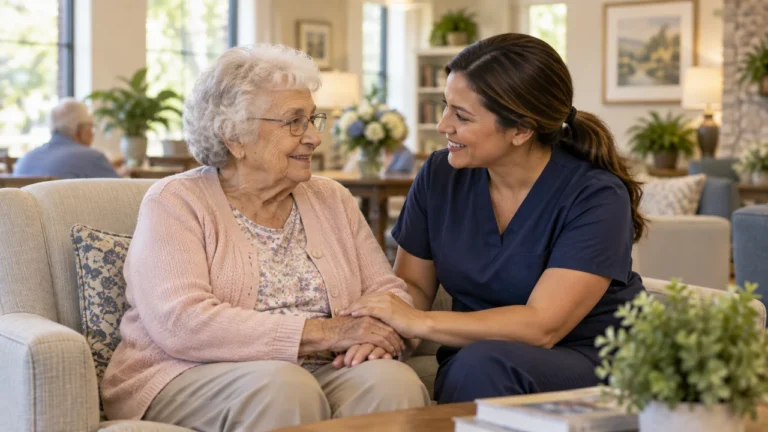
A nursing-home room is both a care environment and someone’s home. Consent and privacy matter.
Start with the resident’s permission
The most important first question is simple:
Does the resident want the photo or video taken?
Ask when the resident can meaningfully understand the request.
Consent to live in a nursing home is not automatically consent to:
- family photography;
- staff photography;
- social-media posting;
- promotional use;
- livestreaming;
- video monitoring; or
- sharing an image with a broad family group.
Different uses can require different permission.
A resident may consent to the photo but not the sharing
These are separate decisions.
For example, a resident may be comfortable with a daughter taking a private family photograph but not want it posted on Facebook or included in a facility newsletter.
Before sharing, ask:
- Who will see it?
- Where will it be posted?
- Can it be downloaded or forwarded?
- Does it reveal health or disability information the resident considers private?
- Does anyone else appear in the image?
Once an image is widely shared, control is difficult to recover.
Roommates have privacy too
A resident cannot automatically consent on behalf of a roommate.
Before filming in a shared room, check whether the image or audio will capture:
- the roommate’s face or body;
- the roommate’s voice;
- visitors;
- care conversations;
- personal belongings; or
- visible health information.
Reposition the camera, wait for a private time, or use another space rather than assuming the roommate “probably does not mind.”
Staff photography has additional federal scrutiny
CMS has specifically addressed photographs and audio/video recordings made by nursing-home staff.
In Survey & Certification memorandum 16-33-NH, CMS emphasized that residents have the right to be free from abuse and that staff taking or using photographs or recordings in ways that demean or humiliate residents can constitute mental abuse. The memorandum was issued after reports of unauthorized images of residents in compromised positions being shared through social media or messaging.
Facilities are expected to have policies protecting residents from improper staff photography and recording.
That means “a staff member took it for fun” is not an acceptable privacy standard.
Personal care should receive heightened protection
Do not casually photograph or record:
- bathing;
- toileting;
- dressing;
- wound care;
- catheter/ostomy care;
- intimate examinations;
- a resident who is undressed; or
- a resident in visible distress.
Federal privacy guidance protects residents’ physical bodies and personal care. Even when a family member believes a recording could be useful, consent, dignity, clinical privacy, roommate privacy, and state recording law still matter.
What about a family-installed camera or “granny cam”?
Do not assume that hidden or continuous monitoring is legal in every state or every room.
Questions can involve:
- state electronic-monitoring laws;
- audio-consent/wiretapping laws;
- roommate consent;
- resident capacity and consent;
- facility notice requirements;
- where the device may be placed;
- who can access recordings;
- whether audio must be disabled; and
- how privacy is handled during personal care.
Some states have nursing-home electronic-monitoring statutes; others rely on different privacy/recording rules.
Before installing a monitoring device, get current guidance for the resident’s state and the facility’s policy. This article is not a substitute for legal advice.
What if the family wants to document a concerning condition?
There is an important difference between preserving evidence and publicly broadcasting an accusation.
If lawfully and appropriately documented, an image may help show:
- a room condition;
- damaged property;
- a visible environmental hazard; or
- an injury that the resident has consented to document.
But do not post identifiable material publicly as the first reporting step.
Instead:
- preserve the original file;
- note the date/time and context;
- avoid editing that changes what the image shows;
- share only with people/agencies who need it; and
- follow applicable consent and privacy requirements.
For possible abuse, neglect, or regulatory violations, use the appropriate reporting channel rather than trying to conduct a public social-media investigation.
Ask the nursing home for its policy
Questions include:
- When may staff photograph residents?
- What written consent is required for newsletters or marketing?
- How can a resident withdraw future promotional consent?
- How are roommate privacy concerns handled?
- What is the policy on family recording?
- What is the policy on room-monitoring devices?
- How are staff disciplined for inappropriate photos or videos?
- Who should receive a privacy complaint?
A policy should distinguish legitimate clinical/documentation uses from casual or promotional use.
Be especially careful with video calls
A video call can unintentionally show other residents or staff.
Use headphones when appropriate. Aim the camera away from roommates and private records. Avoid walking through hallways with the camera pointed at other residents.
Federal rules protect reasonable access to and privacy in electronic communications, but using that right should not erase the privacy of other people.
Frequently asked questions
Does signing admission paperwork mean the nursing home can use a resident’s photo anywhere?
Do not assume so. Review the actual consent language and purpose. Clinical identification, internal records, newsletters, marketing, website use, and social media are different contexts.
Can I secretly record staff in my parent’s room?
State audio/video recording and electronic-monitoring laws vary. Roommate rights and facility rules may also apply. Get state-specific legal guidance before relying on secret recording.
What should I do if I find an humiliating resident photo posted online by staff?
Preserve the evidence without further spreading it, protect the resident from additional exposure, notify the facility and appropriate external authorities as warranted, and consider the State Survey Agency/Ombudsman or law enforcement depending on the facts.
The practical goal
Before taking or sharing a nursing-home photo or video, answer five questions:
- Does the resident want this?
- Who else will be captured?
- What private information is visible or audible?
- Where will the image go after it is taken?
- Do state law or facility policy add requirements?
That protects the resident’s dignity without treating every photograph as forbidden.
Primary sources checked
- eCFR — 42 CFR § 483.10, Resident Rights, Privacy, and Communications
- eCFR — 42 CFR § 483.12, Freedom from Abuse, Neglect, and Exploitation
- CMS — Protecting Resident Privacy and Prohibiting Mental Abuse Related to Photographs and Audio/Video Recordings by Nursing Home Staff (S&C 16-33-NH)
- CMS State Operations Manual, Appendix PP — Resident Privacy and Communication Rights
Editorial/source review: October 16, 2026. General U.S. education only. Audio/video recording, electronic monitoring, roommate consent, privacy, and surveillance laws vary substantially by state. Obtain state-specific guidance before installing or secretly using a recording device.
Next step for families: Browse senior-care communities to compare local options, or use the Care Finder to organize the care needs and your next questions. Always verify current services, staffing, clinical capability, costs, and availability directly with the provider.