
My Parent Is Not Cleaning the House Anymore: Is It Time for Help?
A change in housekeeping is a reason to ask questions, not proof that a parent must move into assisted living. Someone may stop vacuuming, doing laundry, taking out trash, or washing dishes because of pain, fatigue, limited mobility, low vision, grief, difficulty organizing tasks, or a change in priorities. The useful next question is whether the home is still safe and whether a modest amount of dependable help would solve the problem.
Start by looking at what has changed and talking with your parent rather than deciding from one untidy visit. A home can look different from yours without being unsafe. Equally, a neat living room can hide missed medications, little food, or a bathroom that is difficult to use. The goal is to respect your parent’s preferences while identifying specific problems that need attention.
First, separate a housekeeping preference from a change in ability
Ask what your parent wants the home to look like. An adult may choose not to make the bed or dust every week. A family concern becomes more actionable when there is a new pattern, a task the person wants to do but cannot, or a condition that threatens health or safety.
- Preference: Unfolded laundry or magazines on a table with clear walking paths, working utilities, and accessible food.
- Practical barrier: The vacuum is too heavy after an injury, arthritis makes scrubbing painful, or reaching a basement washer is unsafe.
- Possible care gap: Spoiled food is repeatedly left out, trash cannot be removed, important rooms are inaccessible, or the person seems unable to plan or finish ordinary tasks that used to be routine.
These examples do not diagnose dementia, depression, or another condition. If the change is new or unexplained, encourage a healthcare assessment, especially if there are changes in thinking, mobility, eating, sleep, or medication routines.
Check the risks before tackling the mess
Walk through the rooms your parent actually uses, with permission. Prioritize safety over cosmetic cleaning. The National Institute on Aging’s aging-in-place guidance recommends a room-by-room look at safety and periodic reassessment as needs change.
- Walking and exits: Can the person reach the bathroom, bed, kitchen and an exit without stepping over objects or cords? Are stairs and handrails usable?
- Food and hygiene: Is there safe food, working refrigeration, clean drinking water and a functional bathroom? Are there persistent spills, food waste or pests?
- Utilities and fire hazards: Do smoke alarms and essential utilities work? Are heaters, cooking areas and electrical outlets obstructed?
- Essential tasks: Are prescriptions available and taken as directed, meals prepared or delivered, laundry wearable, and bills and appointments managed?
Blocked emergency exits, active fire or electrical hazards, lack of essential utilities, or an immediate medical emergency require prompt action through the appropriate local emergency or utility service. For a non-urgent problem, identify one manageable safety fix at a time. Avoid throwing away important possessions without discussing them with the person.
Ask what made cleaning harder
A respectful conversation is more productive than an argument about the condition of the home. Try: “I noticed the laundry is piling up. Is getting downstairs harder now, or is something else going on? What would make this easier?” Then listen to the answer.
Consider whether a recent illness or surgery has limited stamina; whether the person has trouble bending, carrying supplies or standing; whether vision, hearing or pain complicates tasks; or whether bereavement and changes in mood deserve attention. Ask whether the person wants a weekly cleaner but has not found someone trustworthy or affordable.
If memory or planning problems seem to be emerging, note concrete examples and discuss them with the person’s healthcare professional. Sudden confusion or major functional change should receive timely clinical attention rather than being dismissed as normal aging. A single housekeeping problem does not establish that someone has a cognitive disorder.
Distinguish home management from personal-care needs
Housekeeping, shopping, laundry and managing household finances are often called instrumental activities of daily living (IADLs). Bathing, dressing, eating, using the toilet and moving safely are activities of daily living (ADLs). These are useful planning categories, not pass/fail tests for admission to a care facility.
A parent who needs a cleaner twice a month may be able to live independently. A parent who also cannot use the bathroom safely, prepare or obtain meals, or reliably summon help may need a broader assessment. See NHP’s guide to signs that living alone needs reassessment and guide to bathing and hygiene changes for those separate concerns.
Try a specific home-support plan first when it is safe
Choose one or two problems and arrange reliable support rather than promising that “the family will help more.” The National Institute on Aging’s home-services guide describes housekeeping, laundry, groceries and personal-care assistance as different possible supports.
- Agree on the task. For example, a weekly cleaner handles bathrooms and floors while the family arranges grocery delivery.
- Make the help workable. Clarify entry, scheduling, payment, supplies, transportation and which tasks are excluded.
- Assign a backup. Decide who responds if the cleaner cancels, the person declines a visit or a new concern appears.
- Review the result. After a few weeks, ask whether the home is safer and your parent feels more comfortable. Reassess sooner if new safety problems arise.
For an older adult who does not want outsiders in the home, start with a smaller agreed task and explain who the worker is. Respect the person’s right to participate in decisions, subject to any applicable decision-making authority and urgent safety needs.
Which kind of support fits the problem?
| Observed need | Support to explore | What to verify |
|---|---|---|
| Cleaning, laundry or trash removal only | Housekeeper, chore service, family or volunteer support | Frequency, access, reliability, cost and specific tasks |
| Housework plus groceries, meal preparation or reminders | Non-medical home care and local aging services | Scope of tasks, worker supervision and backup schedule |
| New difficulty bathing, dressing, transferring or toileting | Personal-care assessment and dependable hands-on assistance | Who can safely help, how often, and when coverage is unavailable |
| New illness or functional decline needing clinical services | Medical evaluation; home health if ordered and eligible | Clinical orders, eligibility, visit schedule; not a substitute for daily housekeeping |
| Multiple needs cannot be met safely at home | Assisted living or other appropriate care setting | Individual care assessment, staffing, admission rules, total costs |
Compare home care with medical home health care: the terms are not interchangeable. Medicare generally does not pay for housekeeping or long-term non-medical custodial support simply because a person is older; a separately qualifying medical home-health service has its own conditions. Check the person’s plan and Medicare’s long-term-care coverage explanation before assuming reimbursement.
When a move might deserve consideration
A move becomes a more practical topic when cleaning is only one part of a pattern: unsafe mobility, repeated falls, missed meals, unmanaged medications, difficulty with personal care, inability to recognize dangerous conditions, or a home-support arrangement that repeatedly fails. Assess the whole day and night, not just the appearance of the rooms.
Discuss the actual tasks and the level of supervision needed with the parent and appropriate clinicians or care professionals. A community’s ability to provide housekeeping does not prove it can manage every medical or personal-care need. If a move seems plausible, use our home care versus assisted living comparison to evaluate safety, independence, availability and total cost, rather than treating assisted living as the automatic next step.
What if the situation looks more like hoarding or self-neglect?
Accumulated possessions, collecting behavior and household disrepair are not all the same. If rooms cannot be used for their intended purpose, exits are blocked, or your parent is distressed by suggestions to discard items, a different, more sensitive plan may be needed. See the separate hoarding and living-alone guide; do not turn a possible behavioral or medical issue into a forced cleanup project.
When there is a serious safety concern and your parent refuses support, document the facts, seek an appropriate clinical or local aging-services consultation, and learn what help is available under your state’s laws. Do not assume that an adult loses decision-making rights because relatives disagree with housekeeping choices. Local Adult Protective Services may be an appropriate resource for suspected self-neglect; procedures vary by jurisdiction.
A seven-day family action checklist
- Ask your parent what tasks have become difficult and what help they would accept.
- With permission, identify immediate hazards and clear essential walking and exit paths.
- Write down changes in meals, personal care, mobility, medicines and appointments without guessing at diagnoses.
- Arrange an appropriate healthcare review for a new or unexplained change.
- Get a clear quote and schedule for the smallest reliable housekeeping or home-care service that meets the need.
- Put the provider, backup person, schedule and any costs in a short shared plan.
- Choose a follow-up date and reassess sooner if safety or health changes.
Need local options? The federal Administration for Community Living connects families to the Eldercare Locator for community-based support. If residential care becomes a genuine possibility, NHP’s community directory and Care Finder can help organize a shortlist. Confirm current services, prices, licensing and availability with each provider; an online listing is not confirmation of a vacancy.
Frequently asked questions
Does a messy home mean my parent has dementia?
No. A change in housekeeping has many possible explanations, and a home that looks untidy is not a diagnostic test. Discuss new changes in thinking, function or behavior with a qualified healthcare professional.
Should I hire a housekeeper or a home-care aide?
Hire for the actual tasks. A housekeeper may be appropriate for routine cleaning; non-medical home care may be more appropriate when shopping, meal support, companionship or personal-care assistance is needed. Ask each provider what the worker is permitted and trained to do.
Will Medicare pay for someone to clean the house?
Ordinary household cleaning and ongoing non-medical long-term care are generally not covered by Medicare. Some other local or benefit programs may be available depending on eligibility and location. Verify rather than assuming coverage.
Can my parent stay home if the home is unsafe today?
The answer depends on the danger, the ability to correct it promptly, the availability of reliable help, and the person’s needs and decision-making rights. Address immediate hazards urgently and seek professional or local safety assistance when appropriate; residential placement is not the only possible response.
Sources and editorial scope
- National Institute on Aging — Aging in Place: Growing Older at Home
- National Institute on Aging — Services for Older Adults Living at Home
- Administration for Community Living — Finding Help
- Medicare — Long-Term Care Coverage
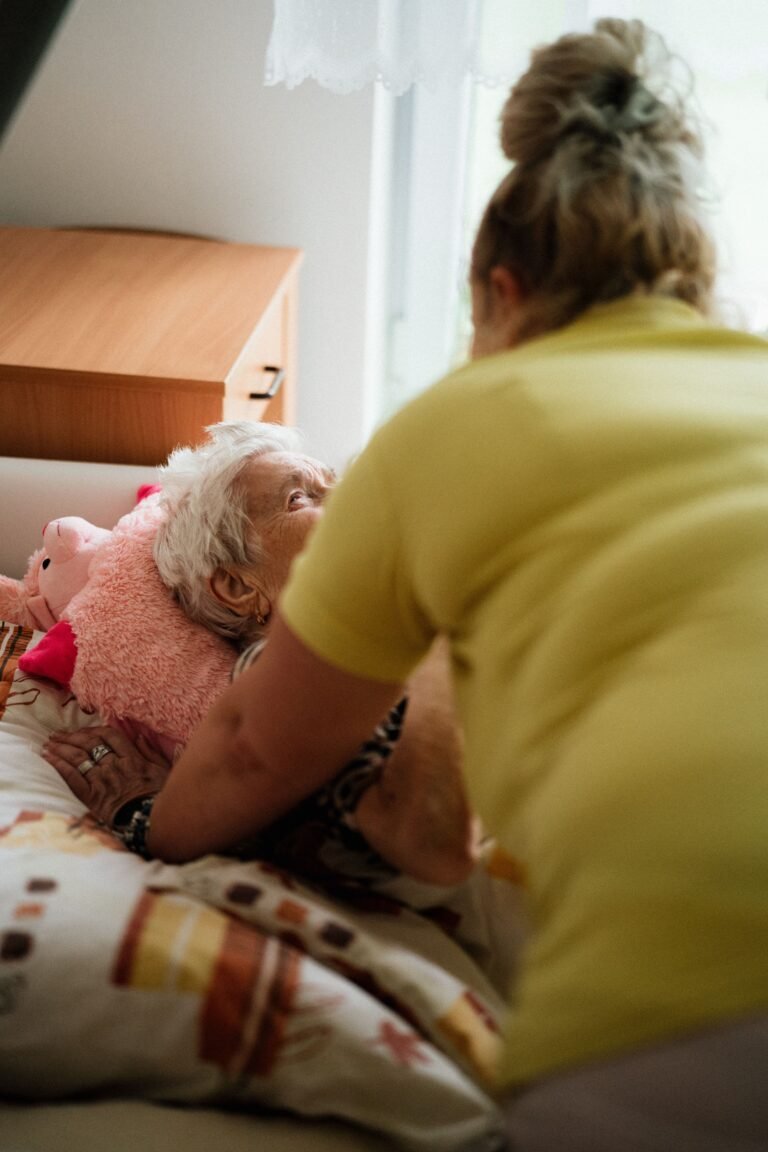
Sources checked November 19, 2026. U.S. educational planning guidance only, not a diagnosis, safety inspection, financial eligibility determination or state-specific legal advice. The featured image is illustrative licensed stock photography, not a photograph of an actual parent’s home or care recipient.