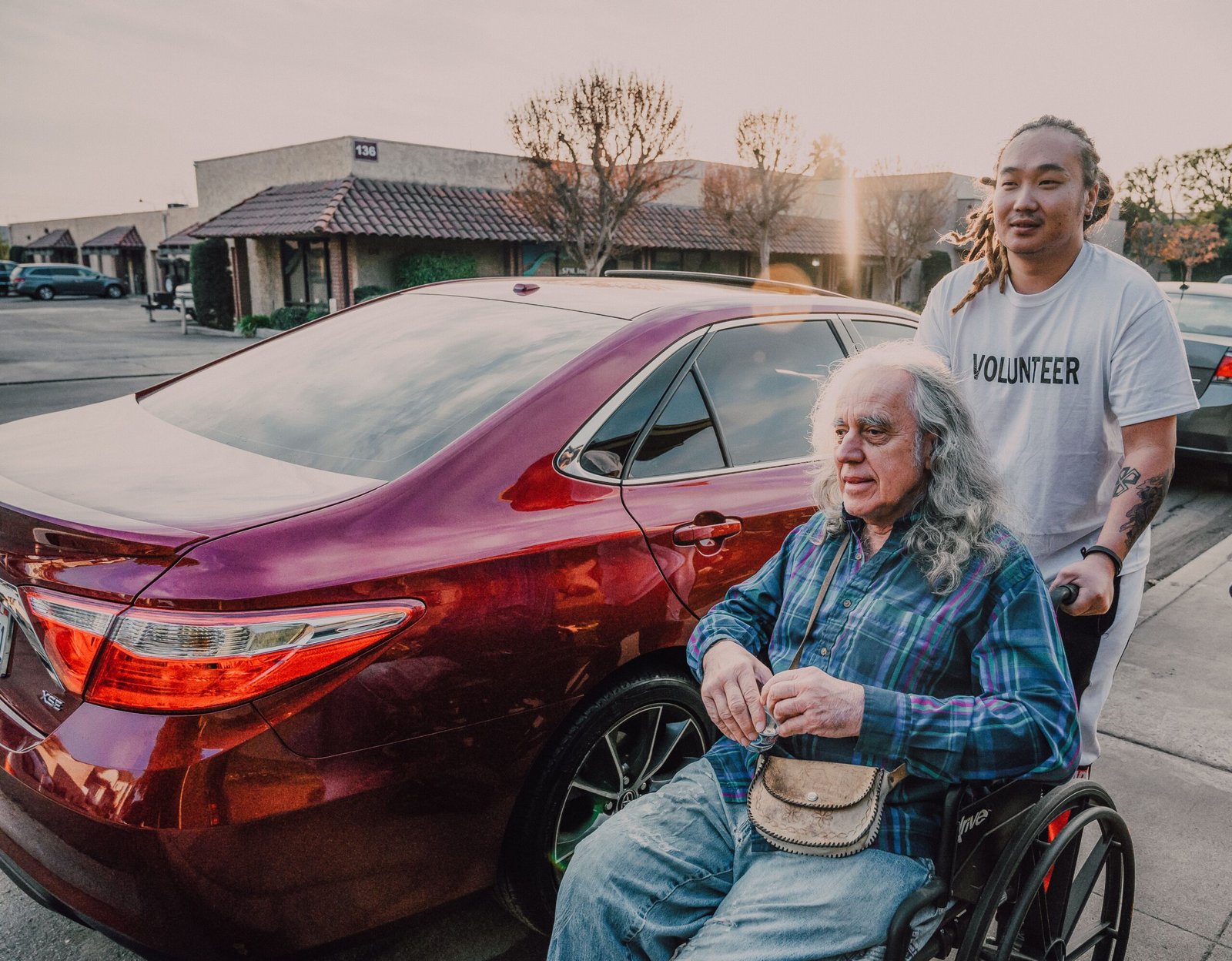
Nursing Home Transportation to Medical Appointments: What Families Should Ask
A nursing-home resident may still need appointments outside the facility for specialists, imaging, dialysis, dental care, surgery follow-up, or other services.
Do not assume transportation is included in the nursing-home room rate or that every vehicle can safely accommodate the resident.
Ask who schedules the ride, what vehicle is used, whether an escort is available, who pays, and how appointment information gets back to the nursing-home care team.
Ask which appointments happen outside the facility
Some nursing homes bring certain clinicians or services into the building.
Others routinely transport residents to:
- specialists;
- imaging centers;
- dialysis;
- dental offices;
- eye doctors;
- hearing care;
- hospitals;
- wound clinics; or
- outpatient procedures.
Ask what services are available on site before arranging outside travel.
Ask who schedules transportation
Clarify whether the ride is arranged by:
- nursing-home staff;
- family;
- Medicaid transportation broker;
- Medicare Advantage plan;
- private transportation company;
- ambulance service; or
- another provider.
Get a named point of contact.
Match the vehicle to the resident
Ask whether the resident can travel by:
- standard car;
- facility van;
- wheelchair-accessible van;
- stretcher transport; or
- ambulance when medically necessary.
The resident’s transfer method matters.
A person who needs a full-body lift may not be able to use the same transportation as someone who transfers independently into a car.
Routine transportation and ambulance coverage are different
Medicare can cover ambulance transportation when medical-necessity requirements are met and another form of transportation would endanger the beneficiary’s health.
That does not make ordinary rides to every medical appointment a Medicare ambulance benefit.
Medicaid non-emergency medical transportation and Medicare Advantage supplemental benefits can have separate rules.
Verify coverage with the payer.
Ask whether someone accompanies the resident
A driver is not always a medical escort.
Ask:
- Does a nursing-home staff member go with the resident?
- Does family need to attend?
- Is there an escort fee?
- Can the escort assist with communication?
- Who handles wheelchair transfers?
- Who keeps the resident’s documents and medication list?
A resident with dementia or aphasia may need more than transportation alone.
Send the right information
The appointment may require:
- current medication list;
- diagnosis list;
- recent labs;
- wound information;
- advance directives;
- insurance information;
- specific clinical question; and
- nursing-home contact information.
Ask who prepares the packet.
Make sure the return information reaches the nursing home
After the appointment, ask how the facility receives:
- new prescriptions;
- medication changes;
- follow-up orders;
- activity restrictions;
- diet changes;
- wound instructions; and
- next appointment date.
A paper note sent back in a resident’s bag should not be the only communication method for a major treatment change.
Ask about early, late, and weekend appointments
Facility transportation may operate only during certain hours.
Ask about:
- early-morning dialysis;
- late specialist visits;
- Friday procedures;
- weekend appointments; and
- appointments outside the normal radius.
Build a backup before it is needed.
A practical example
Mr. Allen has a cardiology appointment 20 miles from his nursing home.
The facility van is wheelchair accessible but does not provide a staff escort.
Mr. Allen has significant hearing loss and cannot reliably report medication changes afterward.
His daughter decides to attend the visit and confirms that the cardiologist will fax new orders directly to the nursing station.
The transportation plan now covers both travel and communication.
Eight questions to ask
- Who schedules the ride?
- What transportation modes are available?
- Can the vehicle handle the resident’s wheelchair, oxygen, or transfer needs?
- Who pays for the trip?
- Is an escort available?
- What medical information goes to the appointment?
- How do new orders return to the nursing home?
- What is the backup when the normal transportation option is unavailable?
Plan transportation as part of the care fit
Transportation is easier to evaluate when you compare it with the resident’s broader access needs. Use our senior-care transportation and accessibility questions for the bigger picture. If dialysis is involved, compare the logistics of dialysis during a rehab stay and dialysis transportation from assisted living.
Sources and review date
Sources checked October 12, 2026.
- National Institute on Aging: How To Choose a Nursing Home or Other Long-Term Care Facility
- National Institute on Aging: Taking Someone to a Doctor’s Appointment
- Medicare: Ambulance Services