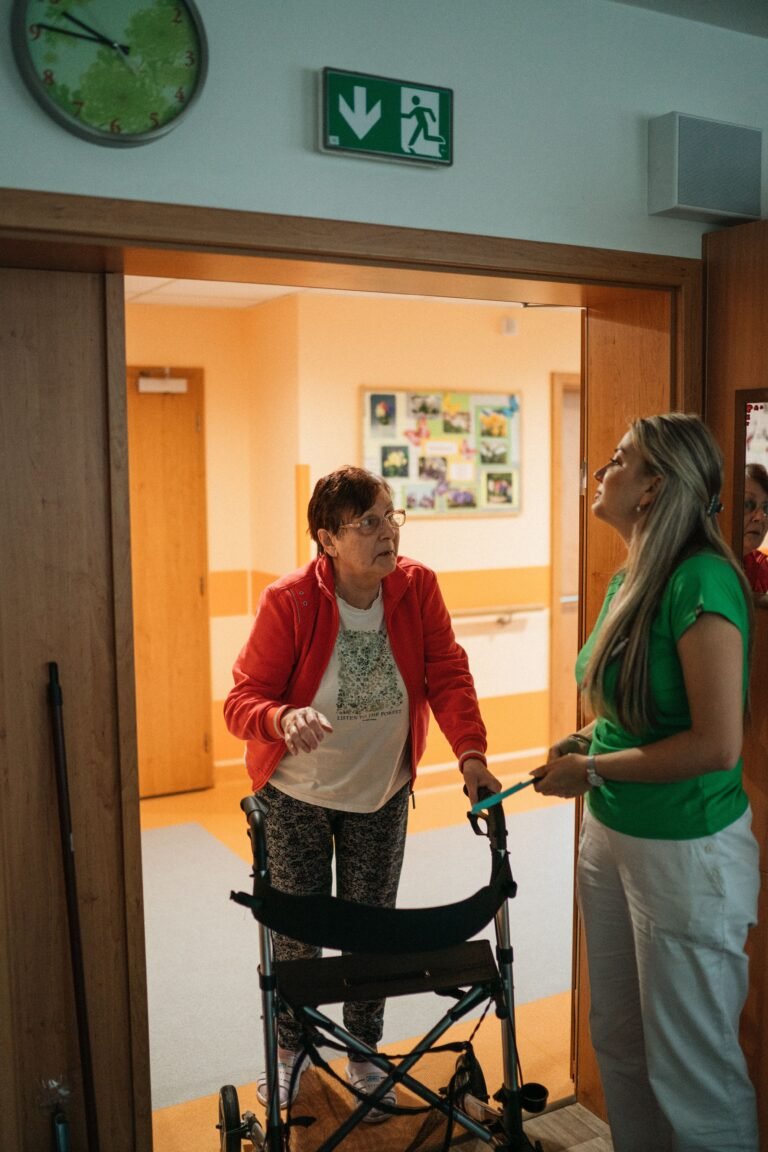
Can a Nursing Home Search a Resident’s Room or Belongings?
Can a Nursing Home Search a Resident’s Room or Belongings?
Short answer: A resident in a Medicare- or Medicaid-certified nursing home has rights to privacy, dignity and personal possessions. Those rights matter if staff propose searching a dresser, closet, purse or other belongings. But federal resident-rights rules do not establish one universal answer for every safety-related inspection or entry into a resident’s room. The reason, what staff intend to do, the resident’s wishes, state law and the facility’s written procedures all matter.
If a staff member says a room or belongings must be searched, ask what concern is being addressed, what policy applies, whether the resident has agreed, and whether a less intrusive option can address the concern. An unexplained or punitive search deserves particular scrutiny.
What federal nursing-home rules actually protect
42 CFR § 483.10 sets several relevant protections for residents of federally regulated nursing facilities:
- Privacy: Subsection (h) protects personal privacy, including in a resident’s accommodations, communications and care. Shared accommodation does not guarantee a private room, but privacy rights still apply.
- Personal possessions: Subsection (e)(2) protects keeping and using personal possessions as space permits, subject to other residents’ rights and health and safety.
- Safe surroundings and property: Subsection (i) requires a safe, homelike environment and reasonable care to protect residents’ property from loss or theft.
- Grievances: Subsection (j) protects a resident’s ability to raise concerns without retaliation and requires a grievance process.
These provisions are important starting points, not a complete national rulebook defining every permissible search. The particular facility’s policies and applicable state law may supply additional protections or procedures. If the residence is assisted living rather than a Medicare/Medicaid-certified nursing facility, different state-specific regulations may apply.
Entering a room is not always the same as searching belongings
Routine housekeeping, maintenance, an agreed care activity, a lost-item inventory and a deliberate examination of closed personal storage can raise different privacy questions. Ask staff to distinguish the action they are planning rather than accepting the word ‘check’ without an explanation.
| Situation | Useful question | What to record |
|---|---|---|
| Routine cleaning or maintenance | What will be moved, opened or handled, and how is privacy respected? | Notice, resident preference, staff involved |
| Looking for a missing item | Does the resident want help searching? Could the resident or a chosen representative be present? | Items checked, who participated, outcome |
| Concern about a potentially unsafe item | What specific risk is identified, what policy applies, and is there a less intrusive solution? | Stated risk, policy, action taken, item disposition |
| Urgent medical or safety concern | What immediate danger required action, and how will the resident be informed afterward? | Timeline, involved staff, follow-up |
| Unexplained or repeated personal search | Who approved the practice and how can the resident challenge it? | Dates, witnesses, written complaint |
These are questions to ask, not a claim that each listed action is automatically lawful or unlawful. If there is an immediate danger, responders may need to act promptly; that does not eliminate the need to explain and document the action appropriately.
Seven questions to ask before a proposed search
- What exactly is being searched? A room, an open shelf, a locked drawer, a bag, a device, or a resident’s clothing involve different privacy interests.
- Why is it necessary? Ask for the concrete concern, not just “facility policy.”
- Which written policy or law authorizes the procedure? Request the relevant section of the resident handbook, admission documents or operational policy.
- How will the resident’s preferences and consent be handled? Ask how the resident will be informed and involved, including communication accommodations.
- Could a less intrusive step work? Examples might include asking the resident to locate an item voluntarily or reviewing the care plan with the resident.
- Who will be present and what will happen to any item removed? Ask about an inventory, storage, return process and contact person.
- How can we contest the decision? Ask for the grievance process and the long-term care ombudsman’s contact information.
If staff have already searched the room
First, ask the resident privately what happened and what outcome they want. Do not assume a family member automatically has authority to make decisions for a competent resident. If the resident has a legally authorized representative, clarify the representative’s actual scope under state law.
Write a contemporaneous account: date and time, who participated, what was opened or handled, what explanation was given, whether the resident objected, whether anything is missing or damaged, and which written policies the facility identified. Ask for any inventory or incident report the facility can appropriately share. Keep factual observations separate from conclusions.
For misplaced or missing items, our separate Lost Belongings in a Nursing Home guide explains practical documentation and follow-up. If your concern involves staff taking or sharing photos, review Photos and Videos in Nursing Homes: Consent and Privacy Questions.
How to raise a concern without losing the resident’s voice
Begin by asking the charge nurse or administrator for a written explanation and a copy of the grievance procedure. Identify the outcome the resident prefers: an explanation, return of an item, a policy change, a care-plan meeting, or assurance that privacy will be respected. Federal rules protect residents from retaliation for raising grievances.
If the concern remains unresolved, the Long-Term Care Ombudsman Program can help residents and families understand and resolve rights-related issues. The state nursing-home survey agency may be appropriate for regulatory complaints. If there is credible immediate danger, suspected criminal theft or abuse, contact the appropriate emergency, protective or law-enforcement authority without waiting for a routine grievance response.
What to say to the facility
“My parent is concerned about staff going through their belongings. Could you explain exactly what happened or is proposed, the safety or care reason, and the written policy behind it? We would like to understand how their privacy and preferences will be protected, whether an inventory is available, and how to raise a concern if needed.”
Frequently asked questions
Can a nursing-home resident lock a drawer?
Ask what secure storage is available and how keys, access for urgent care and facility safety rules work. Do not assume a universal federal right to any particular lock arrangement.
Does dementia automatically remove a resident’s privacy rights?
No. Cognitive impairment alone does not mean that a resident’s dignity and preferences no longer matter. Decision-making authority and supported participation require attention to the individual’s circumstances and applicable state law.
Can staff inspect possessions because the admission contract says so?
An admission agreement cannot simply cancel applicable resident rights. Ask how any contract clause fits federal and state requirements and obtain qualified legal advice if the clause appears to conflict with them.
Are nursing homes and assisted living facilities governed by exactly the same rules?
No. The federal nursing-facility rules discussed here apply to facilities covered by those requirements. Assisted-living privacy and property protections are primarily determined by the state and the specific setting.
Related NHP guidance
- Decorating a Nursing Home Room: What Families Can Bring Safely
- How to Use Medicare Care Compare Without Relying on Star Ratings Alone
- Questions to Ask a Nursing Home: Tour Checklist for Families
Families comparing care settings can also browse communities and confirm a facility’s specific privacy, storage and grievance procedures directly.
Primary sources and editorial review
- eCFR — 42 CFR § 483.10 (resident rights), especially subsections (e), (h), (i) and (j)
- Administration for Community Living — Long-Term Care Ombudsman Program
Source review: November 6, 2026. General U.S. educational information, not individualized legal advice. Confirm current state law, facility policy, resident preferences and the legal authority of any representative before acting.