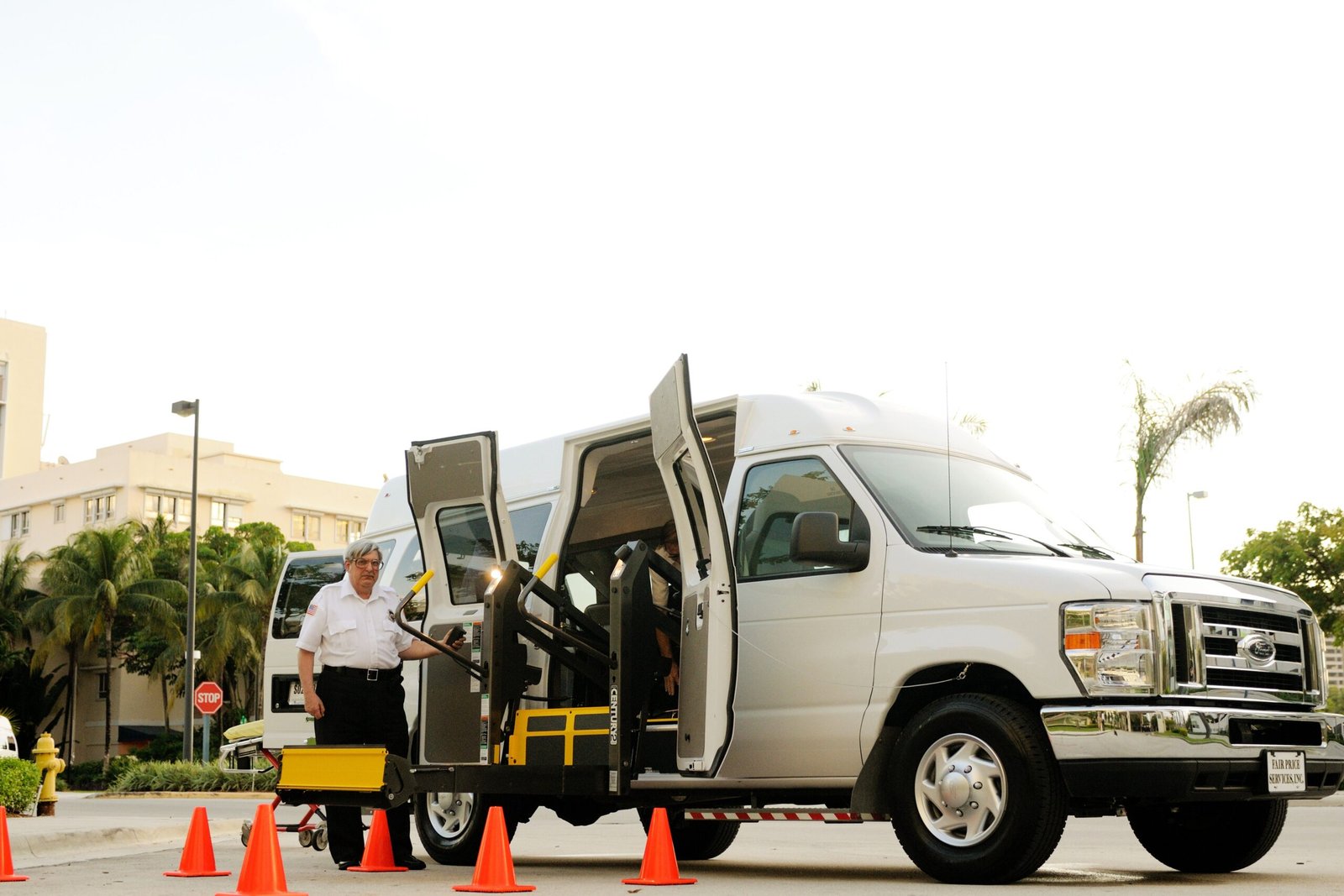
Medicare and Non-Emergency Ambulance Transport to a Nursing Home
Medicare does not cover every ride to or from a nursing home simply because the patient uses a wheelchair or cannot drive.
For non-emergency ambulance coverage, the core question is whether transportation by another vehicle would endanger the person’s health and whether the ambulance service is medically necessary.
Start with the transport type
Ask whether the plan is:
- emergency ambulance;
- non-emergency ambulance;
- wheelchair van;
- stretcher van;
- facility vehicle; or
- family/private transport.
These services have different coverage rules.
Medicare’s ambulance standard
Medicare Part B covers ground ambulance transportation when transportation in another vehicle could endanger the patient’s health and medically necessary transport is needed to an appropriate facility.
In some non-emergency situations, Medicare may cover ambulance transport when a provider gives the required written order documenting medical necessity.
Wheelchair use is not enough by itself
A person can need wheelchair transportation without needing an ambulance.
Ask the clinical team:
“What medical condition makes another mode of transportation unsafe?”
That is more useful than “the resident cannot walk.”
Destination matters
Medicare generally limits ambulance coverage to the nearest appropriate facility able to provide the needed care.
During a covered SNF stay, Medicare lists ambulance transportation to the nearest supplier of needed services not available at the SNF when other transportation would endanger the resident’s health.
Ask about prior authorization for repetitive non-emergency ambulance
Medicare has a prior-authorization demonstration for certain repetitive scheduled non-emergency ambulance services nationwide.
Ask the ambulance provider whether the trip pattern requires prior authorization.
Cost and ABN questions
Part B ambulance services generally involve the Part B deductible and 20% coinsurance of the Medicare-approved amount.
For some non-emergency trips when the ambulance company believes Medicare may not pay, it must give an ABN.
Ambulance coverage worksheet
Trip date: ____________________
From/to: ____________________
Emergency/non-emergency: ____________________
Why other transport unsafe: ____________________
Provider order: ____________________
Nearest appropriate destination: ____________________
Ambulance company: ____________________
Medicare enrolled: ____________________
Prior authorization needed: ____________________
ABN received: ____________________
Estimated beneficiary cost: ____________________
Frequently asked questions
Does being bedbound guarantee ambulance coverage?
No. Medical necessity and the applicable Medicare rules still control.
Does a wheelchair van bill Medicare as ambulance?
Not simply because it transports a wheelchair user.
Can the facility choose the ambulance company?
It may arrange transport, but families should still ask about coverage, provider status, and cost.
The practical goal
Before a non-emergency ambulance ride, verify:
medical necessity + safe transport alternative + destination + documentation + supplier + coverage/cost.
Related NHP guides
- How to Ask Whether Medical Transport Includes an Escort
- Nursing Home Transportation to Medical Appointments
Primary sources checked
*Editorial/source review: October 15, 2026. General education only. Home-health scope, ambulance coverage, annual plan changes, enrollment rights, and accessible-notice deadlines should be confirmed from current Medicare/plan materials.*