Kidney Transplant Recipients in Senior Care: Medication and Follow-Up Questions
An older adult with a kidney transplant may move into assisted living, rehabilitation, or a nursing home years after the transplant—or soon after a hospitalization unrelated to the transplant.
Either way, the transplant still matters.
NIDDK explains that a kidney transplant is a treatment for kidney failure, not a cure. Transplant recipients generally need ongoing anti-rejection medication and regular follow-up.
For senior-care placement, the priorities are medication continuity, laboratory monitoring, infection awareness, and fast communication with the transplant team.
Start with the anti-rejection medication schedule
NIDDK states that transplant recipients need anti-rejection medicines to prevent the immune system from attacking the donated kidney.
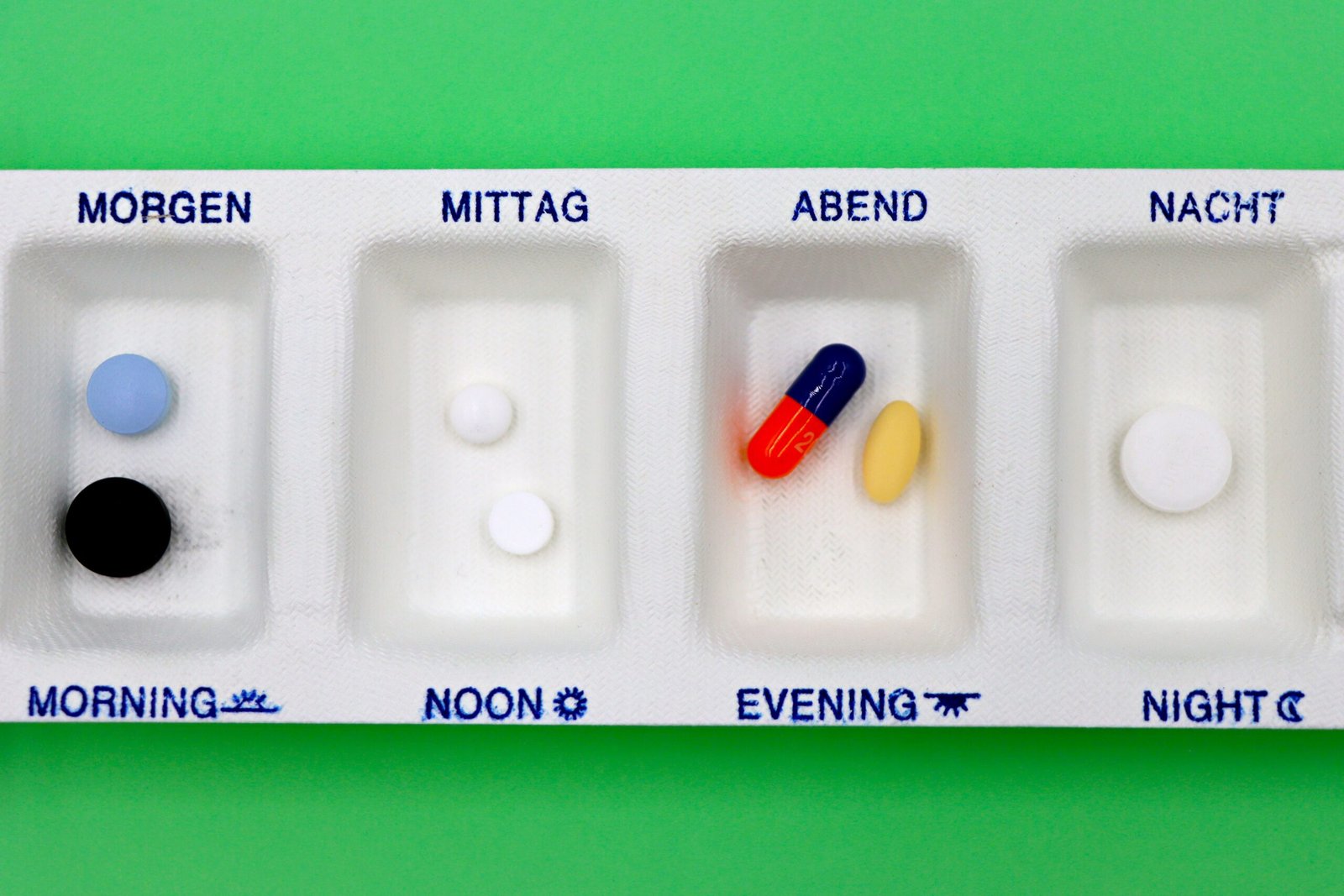
Before admission, compare the hospital/discharge medication list with the facility’s medication administration record.
Verify:
- exact medication names;
- exact prescribed times;
- pharmacy source;
- current supply on hand;
- refill responsibility;
- medications that must not be substituted without prescriber approval; and
- who calls the transplant team when an order is unclear.
Do not move doses, skip doses, or change anti-rejection medicines to fit a facility’s routine without the treating clinician.
Treat medication reconciliation as a high-priority transition task
Older transplant recipients may take medicines for blood pressure, diabetes, infection prevention, pain, heart disease, or other conditions in addition to immunosuppressants.
NIDDK notes that anti-rejection medicines can have important side effects and that transplant teams use regular testing to monitor health and medication effects.
Ask the facility pharmacist or clinical team how they review:
- newly added medicines;
- over-the-counter products;
- supplements;
- antibiotics;
- hospital discharge changes; and
- possible drug interactions.
Map laboratory testing before the move
Blood tests can help the transplant team assess kidney function and, for some medicines, drug levels.
Ask:
Next lab date: ____________________
Where labs are drawn: ____________________
Who receives results: ____________________
Who sends results to transplant center: ____________________
Who follows up on abnormal results: ____________________
A facility should not assume that an outside transplant clinic will automatically see every laboratory result generated elsewhere.
Keep transplant follow-up on the calendar
NIDDK describes regular follow-up with transplant clinicians after a kidney transplant.
For a resident who depends on facility transportation, verify:
- transplant-clinic appointment dates;
- nephrology visits;
- transportation and escort needs;
- whether the resident’s medication list and recent labs travel with them; and
- how new orders return to the facility.
If the resident changes health systems after moving, ask the transplant center how continuity should be handled rather than letting follow-up lapse.
Make infection escalation explicit
Anti-rejection medicines suppress the immune system and can increase infection risk.
NIDDK advises kidney-transplant recipients to contact the transplant center promptly for illness or possible infection symptoms.
The resident’s current clinical plan should specify what staff report, whom they call, and how urgently.
Families should ask:
- Does the facility have the transplant center’s current contact numbers?
- Are after-hours instructions on file?
- Does staff know the resident takes immunosuppressive medicines?
- Who reviews new fever, cough, urinary symptoms, wound changes, or other meaningful changes?
A sudden or significant health change should be clinically assessed rather than attributed to age or "normal transplant issues."
Do not use generic food or supplement advice
Food, supplements, kidney function, and transplant medicines can interact in ways that depend on the specific regimen.
Use the transplant team’s current instructions. Do not introduce supplements, herbal products, or major diet changes without checking with the treating clinicians and pharmacist.
Ask what happens during an emergency hospitalization
If the resident is sent to the emergency department, make sure the transfer information clearly identifies:
- kidney-transplant history;
- transplant center;
- anti-rejection medicines and times;
- allergies;
- current kidney-related lab information when available; and
- transplant-team contact information.
This reduces the risk that a time-sensitive medication or transplant-specific issue is lost during another transition.
Placement checklist for a kidney-transplant recipient
- [ ] anti-rejection medication list reconciled;
- [ ] administration times confirmed;
- [ ] pharmacy can supply the exact prescriptions;
- [ ] refill owner identified;
- [ ] transplant-center contact information on file;
- [ ] next labs scheduled;
- [ ] result-routing plan confirmed;
- [ ] next transplant/nephrology visit scheduled;
- [ ] infection/escalation instructions available; and
- [ ] emergency-transfer summary includes transplant information.
Frequently asked questions
Does a kidney transplant eliminate the need for kidney follow-up?
No. NIDDK states transplant recipients need regular follow-up and ongoing anti-rejection medicines.
Can a facility change the medication time for convenience?
Medication timing should follow the prescription and transplant plan. Any change should be cleared with the treating clinician.
Should every fever automatically be treated as transplant rejection?
No. Many conditions can cause fever or illness. Staff should follow the resident’s clinical escalation plan and contact the appropriate clinician rather than diagnosing the cause themselves.
The practical goal
A senior-care move should be invisible to the transplant regimen: the right medicines arrive on time, labs and appointments happen as planned, and the transplant team can be reached quickly when something changes.
Primary sources checked
Editorial/source review: October 16, 2026. General education only. Immunosuppressant dosing, infection evaluation, laboratory interpretation, diet, and transplant complications require individualized guidance from the transplant team.
Next step for families: Browse senior-care communities to compare local options, or use the Care Finder to organize the care needs and your next questions. Always verify current services, staffing, clinical capability, costs, and availability directly with the provider.