What Happens When an Assisted-Living Resident Needs Help Between Scheduled Rounds?
Assisted-living care plans often describe scheduled help such as morning dressing, bathing, or medication assistance.

Helpful guides for families comparing nursing homes, assisted living, memory care, rehab, retirement communities, and skilled nursing options.
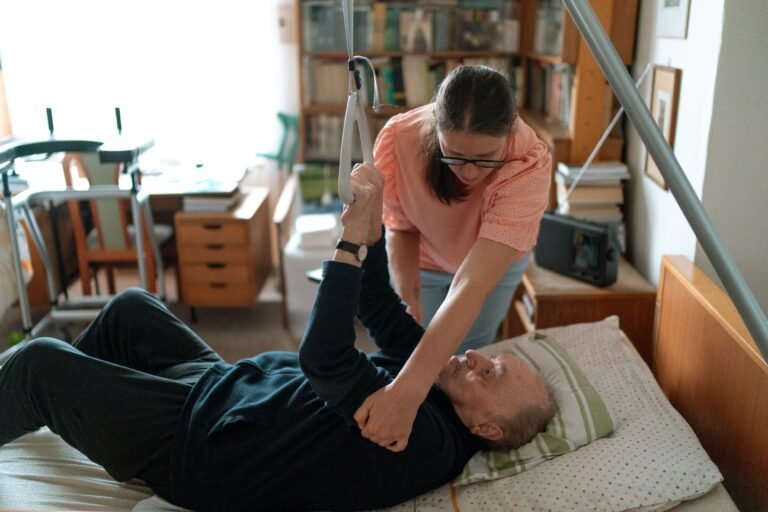
Assisted-living care plans often describe scheduled help such as morning dressing, bathing, or medication assistance.

Some assisted-living residents manage their own medications. Others receive reminders, assistance, or medication administration according to state rules and community policy.

Moving into assisted living does not automatically mean a resident must give up a long-time primary-care doctor.

CPAP is designed for home use, and many assisted-living residents use CPAP for sleep apnea.

A resident who uses a power wheelchair may be able to live successfully in assisted living, but “wheelchairs allowed” is too broad a question.

A care move can change where the resident sleeps, who opens the mail, who has portal access, and which family member is coordinating benefits.

Nursing-home business offices often estimate Medicaid eligibility or the resident’s expected patient-pay amount before the state issues a final decision.

A Medicaid applicant or beneficiary can designate an authorized representative to help with the application and eligibility process.

Money Follows the Person (MFP) is a federal Medicaid demonstration that supports state efforts to help eligible people move from institutional settings into the community.

A Medicaid nursing-home resident may want to return to an apartment, family home, or other community setting.