Assisted-Living Apartment Maintenance: Who Handles Safety Problems?
A broken closet door is inconvenient.

Helpful guides for families comparing nursing homes, assisted living, memory care, rehab, retirement communities, and skilled nursing options.
A broken closet door is inconvenient.

Assisted-living brochures often say “housekeeping included.”

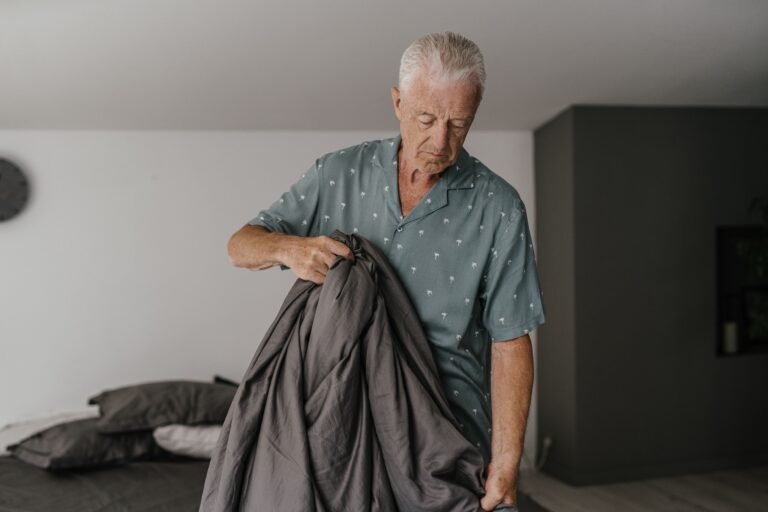
Some older adults naturally wake at 9 or 10 a.m. Others prefer very early mornings.

Older adults can be more vulnerable to dehydration, especially when thirst is reduced or illness, medications, mobility limits, or cognition affect fluid intake.

Residents sometimes skip meals because they are not hungry, are eating elsewhere, or simply want privacy.

An assisted-living community may deliver meals to a resident’s apartment, but the policy can differ for temporary illness, permanent mobility limitations, resident preference, or premium room service.

A resident who needs help getting out of bed may still fit assisted living—but the exact transfer matters.
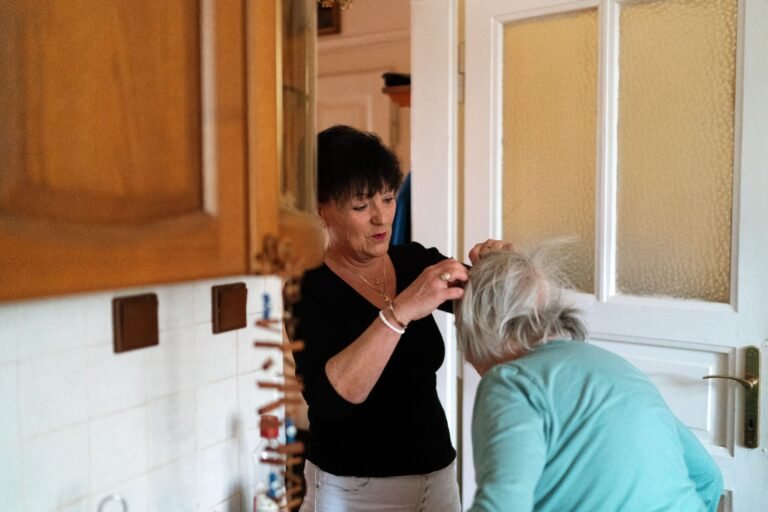
“Help with dressing” can mean very different things.
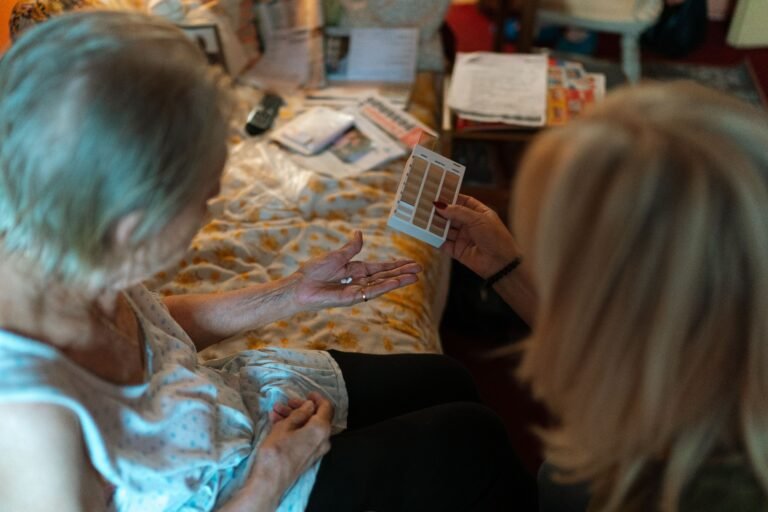
Some assisted-living residents hire private aides for companionship, one-to-one supervision, overnight help, or personal care beyond the community’s service package.

A pendant, wall cord, wearable button, or room alert can make assisted living feel safer.