Correcting an Error in a Nursing-Home Medical Record
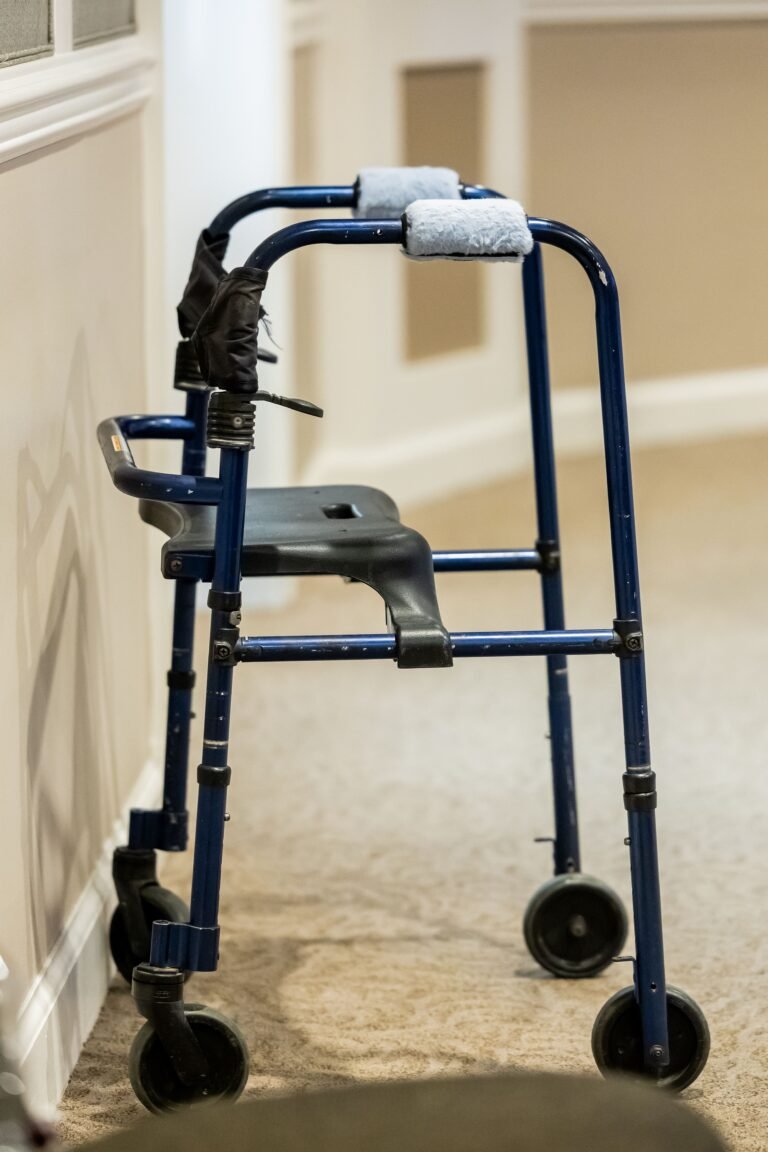
A nursing-home record says the resident walks independently, but she requires assistance.
Or the chart lists the wrong emergency contact, an allergy is missing, a diagnosis is attributed to the wrong person, or a note describes an event inaccurately.
The response should depend on the risk.
If the error could affect care right now, notify nursing/clinical staff immediately. Do not wait for a formal records-amendment process to protect the resident.
Then address the record itself.
First, identify the exact information you dispute
Avoid saying only, “The chart is wrong.”
Write down:
- date of the entry;
- author or department if known;
- the exact statement or data field;
- why you believe it is inaccurate or incomplete;
- the correction you are requesting; and
- supporting documentation, if appropriate.
Example:
Disputed entry: “Resident transfers independently.”
Requested correction: “Resident requires the assistance specified in the current therapy/nursing assessment dated ___.”
Do not rewrite the entire clinical narrative when only one fact is disputed.
HIPAA gives individuals a right to request amendment
Under the HIPAA Privacy Rule, an individual has the right to ask a covered entity to amend protected health information in a designated record set for as long as the information is maintained.
A request does not mean the resident can personally delete or rewrite the original medical record. The covered entity reviews the request and decides whether an amendment is appropriate.
HHS guidance explains that a provider can deny an amendment request on limited grounds, including when the information:
- was not created by that entity, with an exception when the originator is unavailable;
- is not part of the designated record set;
- is not information available for inspection under the HIPAA access rule; or
- is accurate and complete.
Ask the facility for its amendment process
Request the HIPAA/privacy contact or records department and ask:
- Is a written amendment form required?
- Where should it be sent?
- What identifying information is needed?
- What supporting material is useful?
- Who reviews the request?
- How will the resident receive the response?
HIPAA permits a covered entity to require the amendment request to be in writing and to include a reason, if the entity informs individuals of that requirement in advance.
Know the HIPAA response timeframe
Under 45 CFR § 164.526, a covered entity generally must act on the amendment request within 60 days.
If it cannot act within that period, the rule allows one extension of up to 30 additional days if the individual receives written notice explaining the delay and the date by which the entity will act.
That timeline is for the HIPAA amendment request. It is not a reason to wait 60 days to correct an urgent care problem.
If the amendment is accepted
The covered entity must make the appropriate amendment, which can include identifying the affected record and appending or linking the amendment.
The process also includes notifying the individual and making reasonable efforts to inform certain people or entities that need the corrected information when the HIPAA rule’s requirements are met.
Ask which downstream records need attention, especially if the inaccurate information was used for:
- transfer paperwork;
- referrals;
- pharmacy communication;
- specialist appointments;
- care planning; or
- insurance/coverage decisions.
Do not assume every external copy updates automatically.
If the amendment is denied
A denial does not necessarily end the process.
HIPAA requires a written denial that explains the basis and tells the individual about the right to submit a statement of disagreement and complaint options.
If the resident submits a statement of disagreement, the covered entity has recordkeeping obligations to link the dispute materials to the contested information as required by the rule. The entity may also prepare a rebuttal and must provide a copy to the individual if it does.
The goal is not to erase professional disagreement. It is to make the dispute visible in the record according to the legal process.
The resident and personal representative do not have identical authority to every relative
A resident can exercise HIPAA rights directly.
A legally recognized personal representative can generally exercise HIPAA rights to the extent of that representative’s authority under applicable law.
A daughter, son, sibling, or friend is not automatically the resident’s HIPAA personal representative merely because that person is family.
If you are acting for the resident, be prepared to show the document or legal authority the facility requires.
Separate factual correction from clinical disagreement
Some disputes involve objective facts:
- wrong phone number;
- wrong date;
- wrong person;
- medication listed after it was discontinued;
- incorrect transfer status carried forward.
Others involve professional judgment:
- whether a symptom was clinically significant;
- how a clinician characterized behavior;
- whether an assessment conclusion was reasonable.
A provider may believe a professional judgment entry is accurate even if the resident disagrees. The statement-of-disagreement process becomes especially important in those situations.
Correct urgent operational systems too
Even after requesting a chart amendment, ask whether a dangerous error appears somewhere staff are actively using.
For example:
- medication administration information;
- allergy alerts;
- transfer instructions;
- diet/swallowing instructions;
- code status/advance-directive information;
- emergency contacts; or
- current care-plan directions.
The appropriate clinical team should reconcile active care information promptly when safety is involved.
A practical amendment request outline
Resident: ____________________
Record/date disputed: ____________________
Current wording/data: ____________________
Why it is inaccurate or incomplete: ____________________
Requested amendment: ____________________
Supporting document/source: ____________________
Urgent care impact, if any: ____________________
Person submitting request and authority: ____________________
Keep a copy and note the date submitted.
Frequently asked questions
Can I demand that the original note be deleted?
HIPAA provides a right to request amendment, not a general right to personally erase the original record. Accepted amendments are handled according to the covered entity’s record system and HIPAA requirements.
What if the nursing home says another hospital created the error?
HIPAA allows denial when the information was not created by the covered entity, subject to an exception when the originator is no longer available. Ask whether the facility can identify the original source and how the disputed information should be flagged in current care records while correction is pursued.
What if the error is harming care today?
Use the clinical escalation path immediately. The formal amendment process and the immediate care correction can proceed at the same time.
The practical goal
A good correction request says:
“This exact information is disputed. Here is why. Here is the requested amendment. Here is the support. And here is any immediate care risk that cannot wait.”
That is much more effective than arguing broadly that “the whole chart is wrong.”
Primary sources checked
- HHS — Your Medical Records: Corrections
- HHS — HIPAA Audit Protocol, 45 CFR § 164.526 Right to Amend
- HHS — Get It. Check It. Use It.
- HHS — Personal Representatives
- eCFR — 42 CFR § 483.10, Nursing-Home Resident Rights
Editorial/source review: October 16, 2026. General U.S. education only. HIPAA applicability, personal-representative authority, state medical-record law, and facility procedures may add requirements. Urgent clinical safety issues should be corrected through the care team immediately rather than waiting for a records-amendment decision.
Next step for families: Browse senior-care communities to compare local options, or use the Care Finder to organize the care needs and your next questions. Always verify current services, staffing, clinical capability, costs, and availability directly with the provider.