Memory-Care Residents Who Prefer Quiet: Evaluating Alternatives to Group Activities
Some residents love group music and parties.
Others have always preferred books, gardening, one friend, quiet prayer, or simply watching activity from the edge.
A person should not be judged “isolated” simply because they dislike large groups.
Ask what the resident enjoyed before dementia
Examples:
- reading;
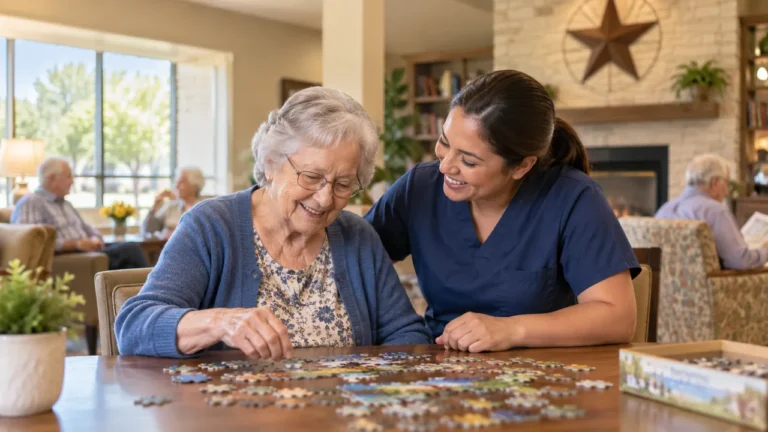
- puzzles;
- gardening;
- crafts;
- prayer;
- pets;
- woodworking;
- music;
- walking;
- watching sports.
Ask for alternatives to group events
Look for:
- one-to-one visits;
- small groups;
- quiet room;
- sensory activities;
- folding/sorting;
- garden;
- music headphones;
- audiobooks;
- photo books;
- individualized spiritual activities.
NIA advises matching activities to what the person can do and what they enjoy.
Distinguish preference from withdrawal
A lifelong introvert may be content alone.
A sudden withdrawal may reflect:
- depression;
- pain;
- illness;
- hearing loss;
- vision loss;
- fatigue.
Ask staff to notice change from baseline.
Quiet-engagement worksheet
Past interests: ____________________
Preferred social setting: alone / one-to-one / small group / large group
Quiet activities offered: ____________________
Outdoor option: ____________________
Sensory/music option: ____________________
Recent withdrawal change?: ____________________
Frequently asked questions
Does memory care require group participation?
No.
Is sitting and watching an activity meaningful?
NIA notes that simply watching can still be enjoyable.
Should staff keep inviting the resident?
Yes, respectfully, without pressure.
The practical goal
Measure engagement by meaning and comfort, not attendance.
Related NHP guides
Primary sources checked
- NIA — Adapting Activities for People With Alzheimer’s Disease
- CMS — Focused Dementia Care Survey Resident-Specific Questions
*Editorial/source review: October 15, 2026. General education only. Property concerns, roommate compatibility, activity preferences, and spiritual routines require individualized resident-centered planning and appropriate safeguarding.*