Arthritis and Assisted Living: Evaluating Everyday Hands-On Help
Arthritis does not automatically mean an older adult needs a nursing home.
But arthritis in the hands, knees, hips, spine, shoulders, or feet can turn ordinary daily tasks into the reason someone needs assisted living.
NIAMS notes that arthritis can affect movement and daily function and that devices such as canes, walkers, braces, and adaptive grip tools may help some people.
When touring assisted living, focus on what the person struggles to do today.
Break "help with dressing" into real tasks
A parent may say, "I can dress myself," while needing twenty minutes to fasten buttons or being unable to put on socks without pain.
Ask whether staff can help with:
- buttons, snaps, or zippers;
- compression garments if prescribed and within staff scope;
- shoes and socks;
- reaching overhead clothing;
- selecting easy-to-manage clothing; and
- dressing on high-pain mornings.
The goal is not to remove independence. It is to know whether help is available for the parts that are difficult.
Look closely at bathroom support
Arthritis can affect grip, standing, bending, transfers, and balance.
During a tour, inspect:
- shower entry;
- grab-bar placement;
- toilet height;
- space for a walker;
- seating options;
- faucet and door-handle usability; and
- how quickly staff can respond when hands-on help is requested.
If the resident has a prescribed transfer method or equipment, verify that staff can support it. Do not invent a transfer technique from a generic checklist.
Ask about morning and evening variability
Arthritis symptoms can vary during the day.
A resident who walks independently after lunch may need more time or assistance first thing in the morning.
Ask whether care plans can reflect variable needs rather than forcing the resident into one permanent category of "independent" or "needs help."
Evaluate meal access—not just the menu
Hand arthritis can make opening packages, cutting food, lifting cups, or using utensils difficult.
Ask whether staff can provide:
- meal setup;
- help opening containers;
- adaptive utensils when recommended;
- assistance carrying a tray or drink;
- seating that reduces joint strain; and
- enough time to eat without rushing.
If weight loss, swallowing problems, or a major appetite change is present, ask for clinical evaluation rather than assuming arthritis is the cause.
Verify medication assistance
Arthritis in the hands can make pill bottles, blister packs, eye drops, inhalers, or other devices difficult to manage.
Assisted-living medication-assistance rules vary by state.
Ask exactly what staff can do:
- remind the resident;
- open packaging;
- administer medications under applicable rules;
- manage refills; and
- report side effects or pain changes to the clinician.
Do not change pain or anti-inflammatory medication based on a move without the prescribing clinician.
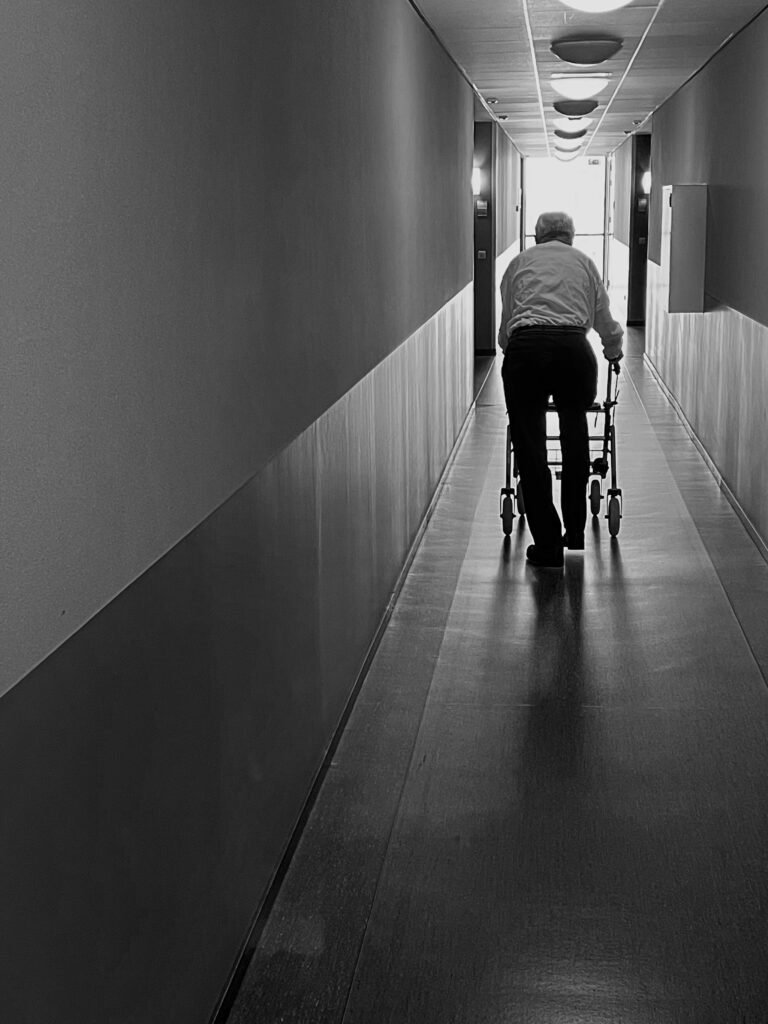
Ask how mobility devices fit into daily life
NIAMS notes that a cane or walker may improve stability and reduce pain for some people.
Ask:
- Is there room to maneuver the prescribed device in the apartment?
- Can the resident reach dining and activity areas without excessive distance?
- Are elevators dependable?
- Are there places to sit and rest along long hallways?
- Can staff help with the device during bad symptom days?
A beautiful community can still be exhausting if the route from the room to meals is too demanding.
Look at activities through an arthritis lens
Ask how the activity team adapts programs for residents with painful or limited joints.
Examples may include seated options, shorter sessions, larger-handled craft tools, rest breaks, or alternate ways to participate.
Do not assume "exercise class" is appropriate for every resident. The clinician or therapy team should guide individual exercise restrictions.
Consider occupational or physical therapy input
If arthritis is causing new difficulty with daily tasks, a clinician may recommend physical or occupational therapy.
Ask whether therapy can assess:
- walking and balance;
- hand function;
- adaptive equipment;
- bathroom setup;
- energy conservation; and
- ways to preserve independence.
Tour checklist for arthritis-related support
Hardest morning task: ____________________
Hardest hand task: ____________________
Bathroom help needed: ____________________
Walking device: ____________________
Meal setup needed: ____________________
Medication assistance needed: ____________________
Current therapy/equipment: ____________________
Then ask the community to explain exactly how each need would be handled.
Frequently asked questions
Is assisted living a good fit for arthritis?
It can be when the main needs involve personal assistance, mobility support, medication help, meals, and an accessible environment. Medical complexity and state rules may require another level of care.
Should a resident stop walking because joints hurt?
Activity recommendations should be individualized. NIAMS notes that appropriate exercise can help maintain function, but the resident should follow clinician guidance for current conditions and restrictions.
What if arthritis pain suddenly becomes much worse?
A sudden meaningful change deserves clinical evaluation rather than automatic attribution to chronic arthritis.
The practical goal
Choose assisted living by asking whether it can support the small repeated tasks that determine independence—getting dressed, reaching the bathroom, opening food, using medications, walking safely, and participating in daily life.
Primary sources checked
Editorial/source review: October 16, 2026. General education only. Exercise, mobility aids, medication treatment, transfer assistance, and therapy recommendations require individualized clinical assessment and applicable state/facility rules.
Next step for families: Browse senior-care communities to compare local options, or use the Care Finder to organize the care needs and your next questions. Always verify current services, staffing, clinical capability, costs, and availability directly with the provider.