Rehab With Hearing Loss: How to Prevent Missed Instructions
Hearing loss can quietly interfere with rehabilitation.
A resident may miss a safety instruction, answer the wrong question, fail to hear a change in task, or appear confused because the therapist is speaking from behind or over background noise.
Before interpreting poor participation as a cognitive problem, make sure the resident can actually hear and understand the session.
Check the hearing devices
Ask:
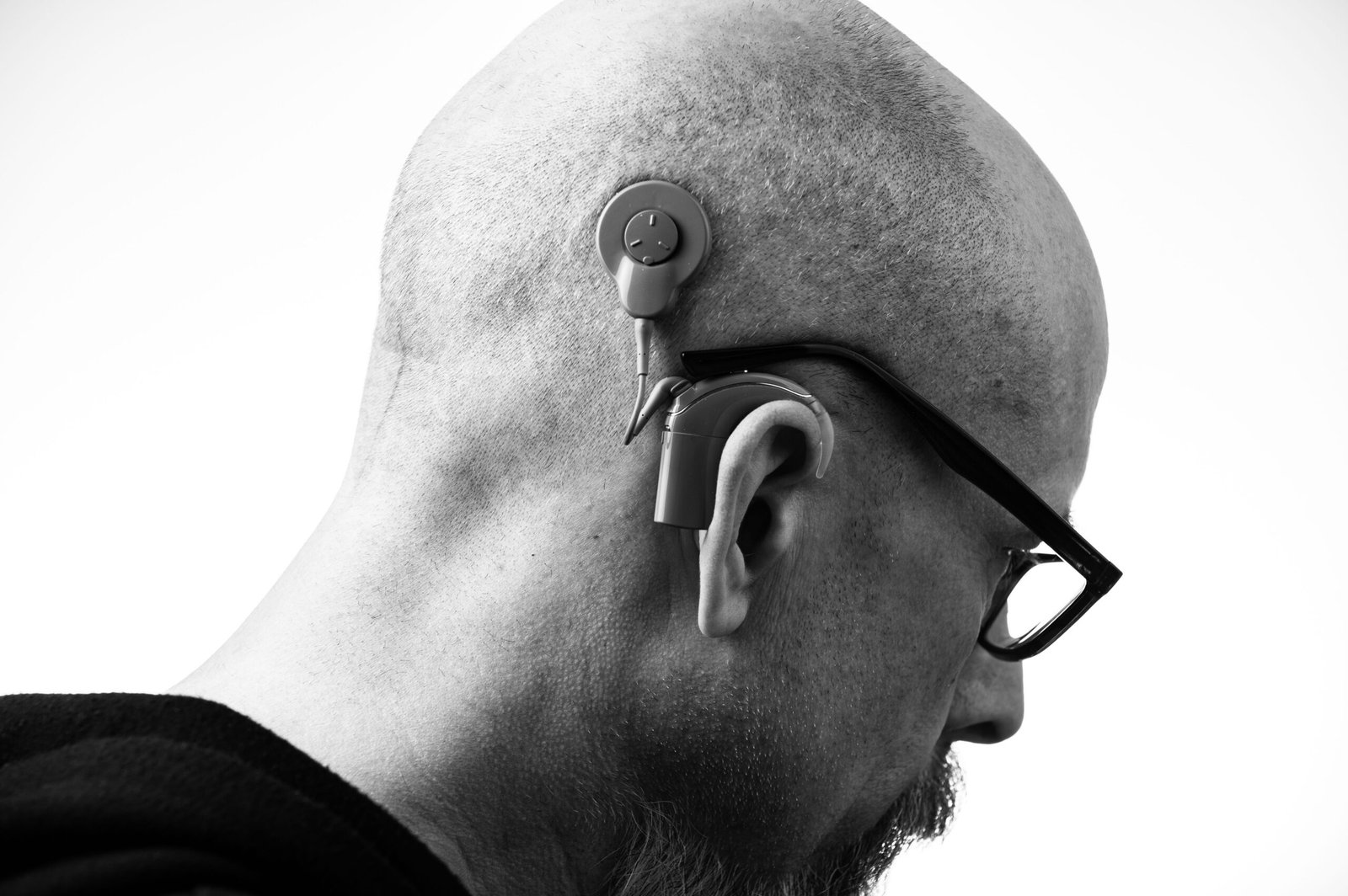
- Does the resident use hearing aids?
- Are they present?
- Charged or fitted with working batteries?
- Clean and functioning?
- Worn during therapy?
- Does staff know how to help with them?
A hearing aid sitting in a drawer does not support communication.
Improve the communication environment
NIDCD recommends strategies such as:
- facing the person;
- speaking clearly rather than shouting;
- reducing background noise; and
- using visual information.
Ask therapy to use a quieter area when needed.
Use written and visual support
When appropriate, ask for:
- written task sequence;
- large-print instructions if vision also matters;
- demonstration;
- gesture;
- pictures; or
- communication technology.
Do not rely on spoken instructions alone if hearing is inconsistent.
Ask for teach-back
A resident can nod without understanding.
After an important safety instruction, ask the resident to explain or demonstrate what they understood, when clinically appropriate.
This helps separate hearing from memory.
Watch for changes
A sudden hearing change is not automatically age-related hearing loss.
Report new hearing loss, ear pain, drainage, dizziness, or other acute changes to the clinical team.
Make sure the discharge environment supports communication
At home or assisted living, ask whether the resident can hear:
- phone;
- doorbell;
- smoke alarm;
- caregiver instructions;
- nighttime alerts; and
- emergency communication.
Ask the hearing-health team about assistive devices when needed.
Hearing-support rehab card
Hearing device: ____________________
Device functioning: Yes / No
Best ear/position: ____________________
Background noise issue: ____________________
Written/visual support: ____________________
Teach-back successful: ____________________
Audiology/hearing follow-up: ____________________
Home alerting need: ____________________
Frequently asked questions
Does hearing loss cause dementia?
Hearing loss and cognition can interact, but hearing difficulty itself can make communication and testing look worse. Ask clinicians to evaluate both appropriately.
Should people shout?
NIDCD recommends speaking clearly and facing the person; shouting can distort speech.
Can an amplifier help?
Assistive listening devices can help some people; ask a hearing professional which option fits.
The practical goal
Rehab instructions only work if the resident can receive and understand them.
Protect participation by treating hearing as a safety and communication issue throughout the stay.
Related NHP guides
- Hearing Loss in Memory Care: How to Evaluate Communication Support
- Physical, Occupational, and Speech Therapy in Rehab: Who Helps With What?
Primary sources checked
- NIDCD — Age-Related Hearing Loss
- NIDCD — Assistive Devices for People with Hearing, Voice, Speech, or Language Disorders
- Medicare — Skilled Nursing Facility Care
*Editorial/source review: October 15, 2026. General education only. Vision/hearing support, fall response, skilled-care eligibility, discharge recommendations, and resident decision-making require individualized professional review.*