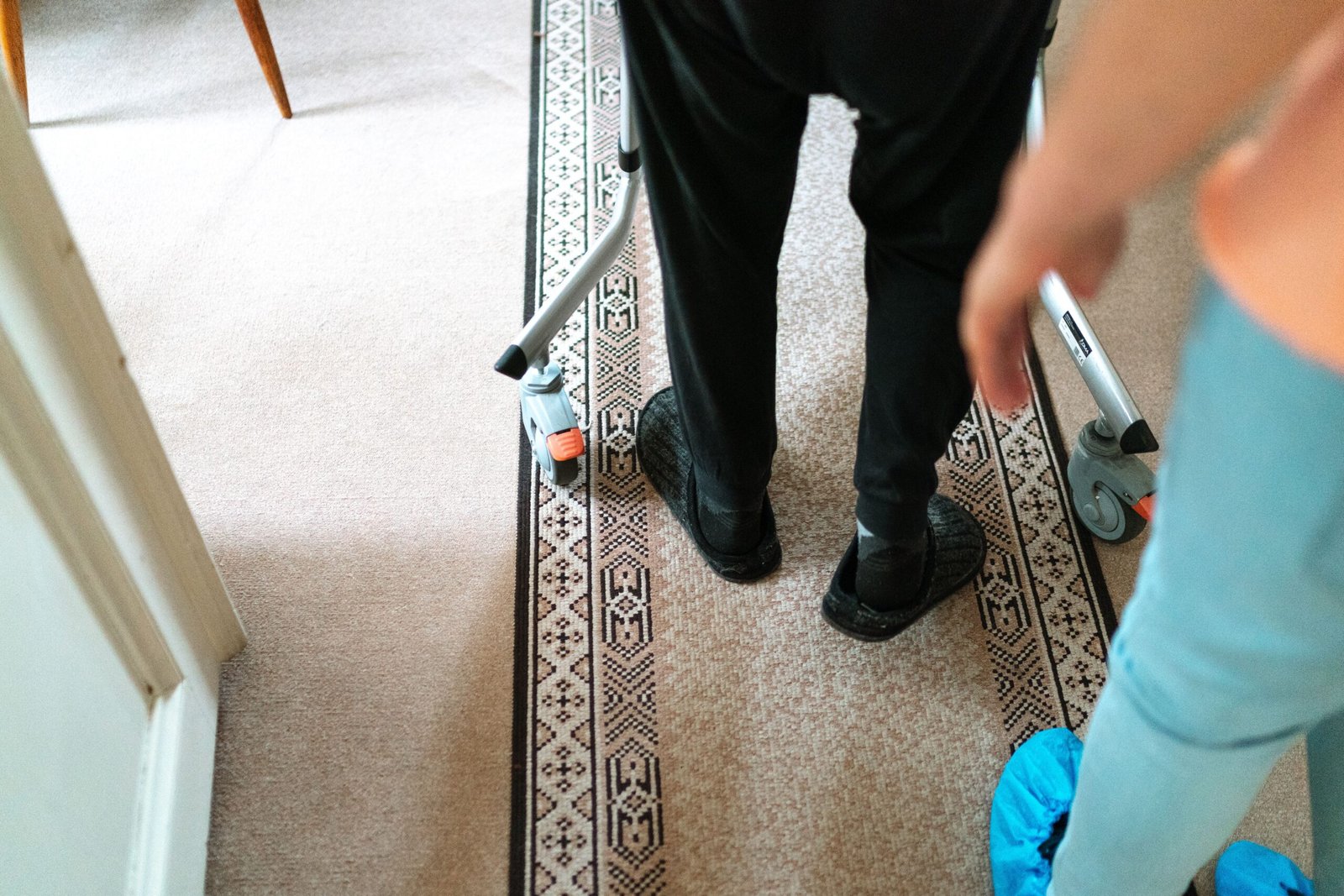
Can Therapy Continue After Moving Into Assisted Living?
Moving from rehab into assisted living does not necessarily mean therapy stops.
The next therapy arrangement depends on the resident’s clinical needs, provider orders, Medicare or insurance rules, whether the resident meets home-health criteria, what providers serve the building, and how the community coordinates outside clinicians.
Separate three questions: Does the resident need therapy? Which provider/model will deliver it? Who pays?
Ask what therapy is recommended at discharge
Before leaving rehab, request:
- current PT/OT/speech goals;
- assistance level;
- home exercise plan;
- recommended frequency;
- current precautions;
- equipment;
- expected follow-up; and
- which clinician is ordering ongoing therapy.
Do not let the receiving community reconstruct the plan from memory.
Option 1: Home health in assisted living
Medicare home health can sometimes be provided where a person lives, including assisted living, when the beneficiary meets the home-health eligibility requirements.
That includes needing qualifying skilled services and meeting Medicare’s homebound definition.
Ask:
- Is the resident homebound under Medicare’s rule?
- Which Medicare-certified agency accepted the referral?
- When is the first visit?
- Does the community allow/coordinate the agency?
Option 2: Outpatient therapy
Some residents may receive outpatient therapy at a clinic or through a provider that furnishes outpatient services in the community/building.
Ask:
- Is there an on-site provider?
- Is it independent from the assisted-living community?
- Does the therapist accept the resident’s insurance?
- How does the resident get to therapy?
- Who receives progress notes/orders?
Assisted living’s role is separate
The community may help with:
- transportation;
- reminders;
- escorting;
- access to therapy space; or
- carrying over safe daily routines.
It should not be described as providing Medicare-covered therapy unless the relevant provider/entity actually does so.
Ask how the care plan and therapy plan connect
If therapy says the resident needs one-person transfer assistance, the assisted-living service plan should reflect how daily staff will provide the required support.
If therapy changes the resident’s device or assistance level, ask how the community gets the update.
Therapy-after-move worksheet
Therapy recommended: PT / OT / SLP
Ordering clinician: ____________________
Home health / outpatient / other: ____________________
Provider: ____________________
Insurance/network verified: Yes / No
First visit: ____________________
Assisted-living coordination contact: ____________________
Current precautions: ____________________
Staff carryover task: ____________________
Next reassessment: ____________________
Frequently asked questions
Does Medicare pay therapy just because the resident lives in assisted living?
No. Coverage depends on the therapy service and eligibility rules.
Is assisted living considered “home” for Medicare home health?
A person may receive Medicare home health in assisted living when the eligibility requirements are met.
Can therapy continue indefinitely?
Coverage requires ongoing medical necessity/skilled criteria; the treating provider and payer determine the individual plan.
The practical goal
Do not let the move create a therapy gap.
Confirm the clinical order, provider, payer pathway, first visit, and how the assisted-living staff receive updated functional instructions.
Related NHP guides
- Leaving Rehab for Assisted Living: Who Coordinates the New Care Plan?
- Can an Outside Home-Health Nurse Visit Assisted Living?
Primary sources checked
- Medicare — Home Health Services
- Medicare — Outpatient Physical Therapy Coverage
- Medicare — Occupational Therapy Coverage
*Editorial/source review: October 15, 2026. General education only. Equipment, transfer technique, home-exercise progression, supervision needs, therapy orders, and coverage must be individualized and verified.*