Rehab After an Amputation: Questions About Equipment and Daily Support
Amputation rehabilitation is not simply “learning to walk with a prosthesis.”
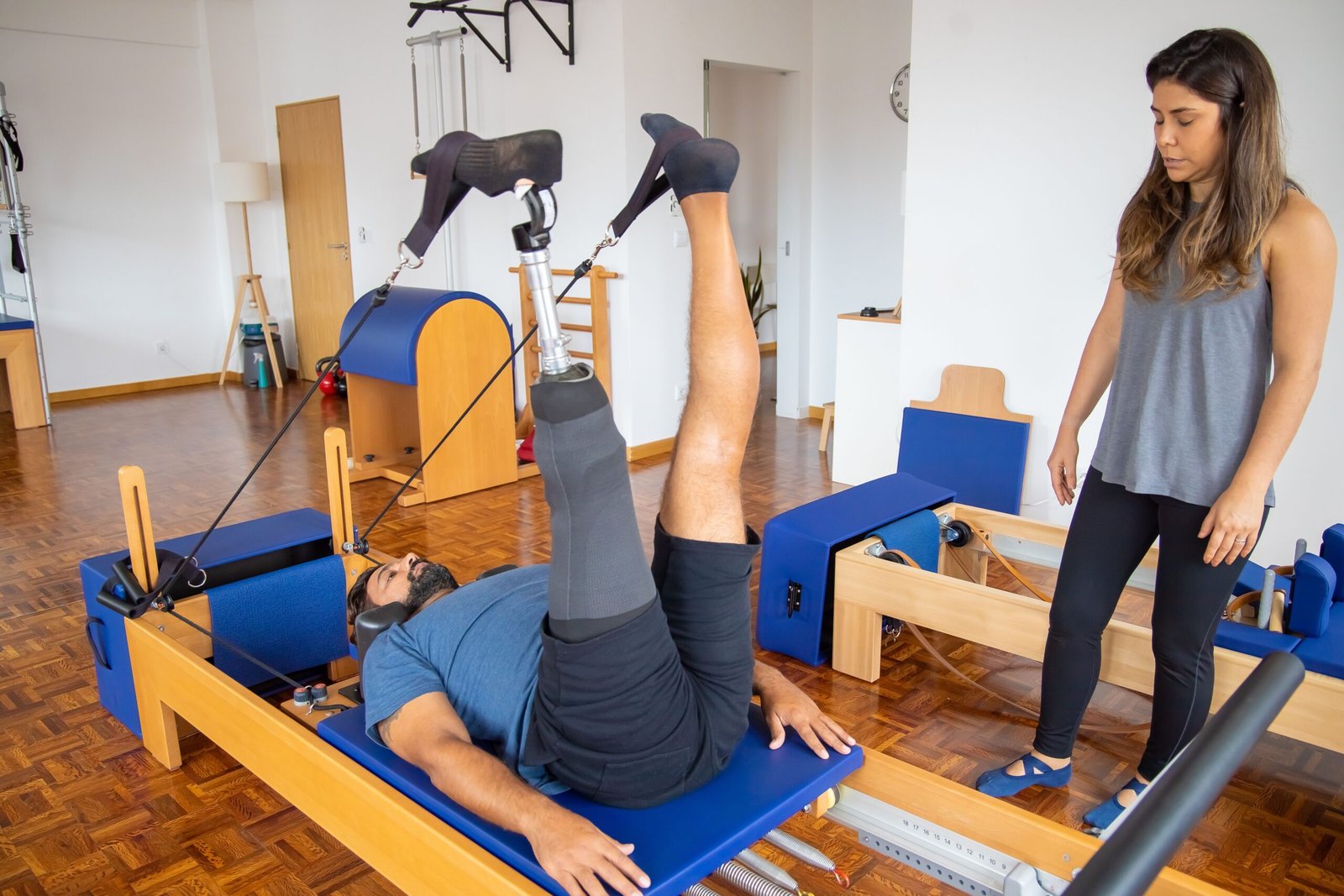
Early goals may focus on healing, transfers, wheelchair mobility, balance, self-care, endurance, residual-limb management, fall prevention, and emotional adjustment. Prosthetic evaluation may come later and is not appropriate for every person on the same timeline.
Ask what function matters now and what equipment/support will be needed at the next setting.
Ask about the immediate mobility plan
Before prosthetic training, a resident may need:
- bed mobility;
- sit-to-stand or transfer training;
- wheelchair mobility;
- balance;
- safe toileting;
- pressure relief; and
- management of the remaining limb.
Ask how much assistance is currently needed.
Ask about room and bathroom accessibility
The resident may need more turning space and different transfer arrangements.
Check:
- wheelchair width/turning;
- bed height;
- toilet transfer;
- shower access;
- grab-bar placement;
- routes to dining/therapy; and
- transport access.
Ask how residual-limb care is being coordinated
The clinical team should provide individualized instructions about wound healing, skin, dressings, compression/shaping, and warning signs.
Families should not improvise wrapping or skin-care techniques from online content.
Ask who is responsible for teaching the resident/caregiver.
Prosthetic planning is multidisciplinary
A prosthetic decision can involve the surgeon, rehabilitation physician, therapist, prosthetist, nursing team, and resident.
Ask:
- Is the resident being evaluated for a prosthesis?
- What healing/medical factors must be met first?
- What functional goals would a prosthesis support?
- What insurance/supplier steps are required?
- What happens if prosthetic use is not the immediate goal?
Evidence in very old adults shows age alone should not automatically exclude someone from assessment, but outcomes vary.
Include the intact limb and whole person
Ask about:
- strength of the remaining leg;
- skin/foot care;
- vascular disease/diabetes;
- balance;
- upper-extremity strength;
- cognition;
- vision;
- pain;
- depression/grief; and
- cardiac/pulmonary endurance.
Plan for emotional support
Amputation can affect identity, independence, grief, anxiety, and body image.
Ask whether social work, psychology, peer support, rehabilitation counseling, or amputee support resources are available.
Amputation rehab worksheet
Current transfer level: ____________________
Wheelchair/device: ____________________
Residual-limb care owner: ____________________
Room/bathroom barriers: ____________________
Prosthetic evaluation planned: Yes / No / Not yet
Prosthetist contact: ____________________
Caregiver training: ____________________
Emotional support: ____________________
Next milestone: ____________________
Frequently asked questions
Is a prosthesis guaranteed?
No. Prosthetic candidacy, timing, coverage, function, health, and resident goals vary.
Is advanced age a reason not to try rehab?
Age alone should not determine eligibility for assessment; the whole clinical/functional picture matters.
Should the family buy a wheelchair immediately?
Confirm the prescribed equipment, fit, supplier, and coverage first.
The practical goal
Amputation rehabilitation should build a safe daily life with or without a prosthesis.
Focus first on transfers, wheelchair mobility, self-care, accessible environments, healing, and resident goals.
Related NHP guides
- Finding a Nursing Home for a Parent Who Needs Bariatric Equipment
- Rehab Discharge With a Wheelchair: Planning Beyond the Front Door
Primary sources checked
- PubMed — Rehabilitation outcomes after major lower limb amputation in the oldest old
- Medicare — Prosthetic Devices
- Medicare — Wheelchairs & Scooters
*Editorial/source review: October 15, 2026. General education only. Therapy participation, surgical precautions, swallowing/diet, cognition, prosthetic planning, and discharge readiness must be individualized by the treating team.*