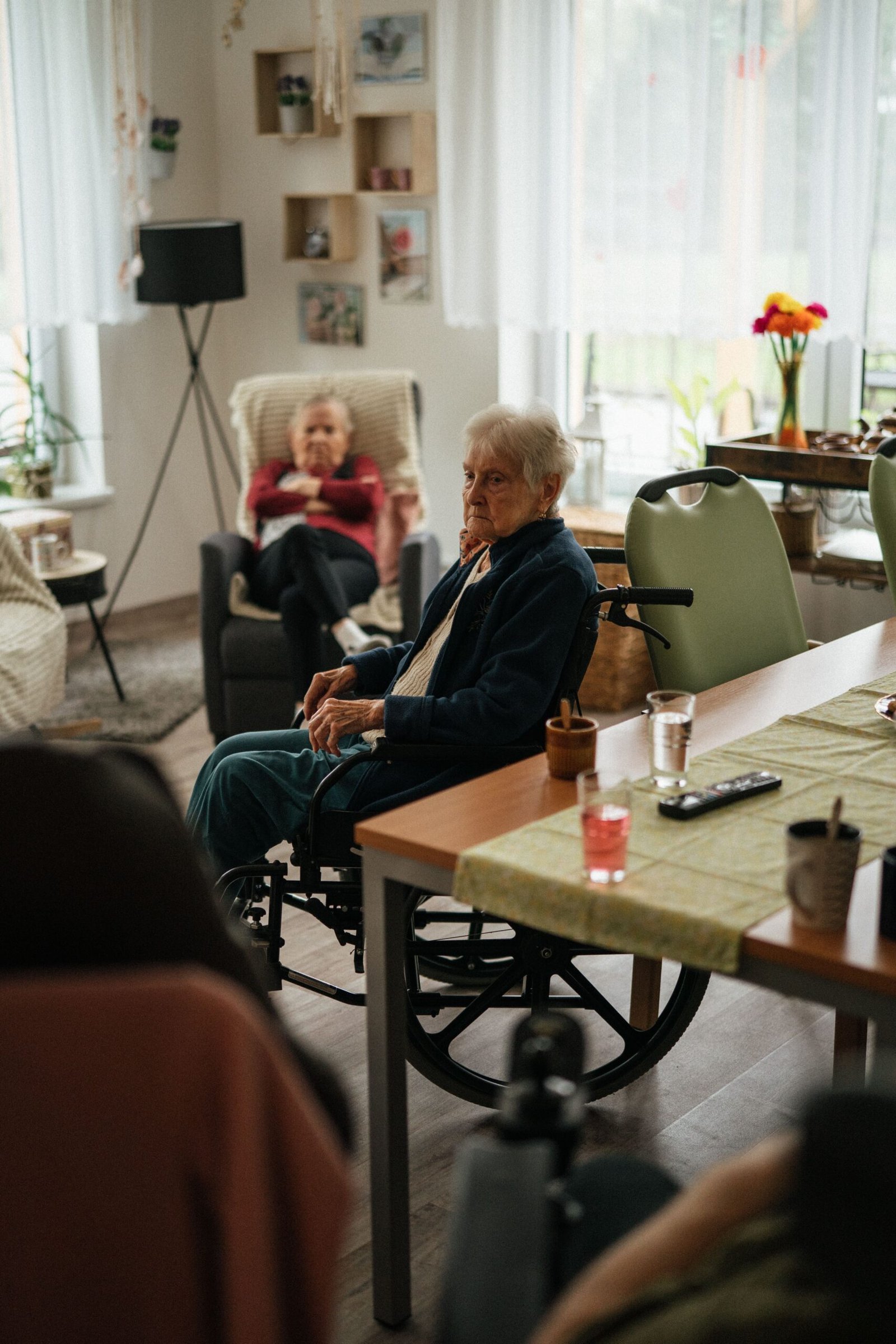
How to Ask Current Residents About Daily Life Without Invading Their Privacy
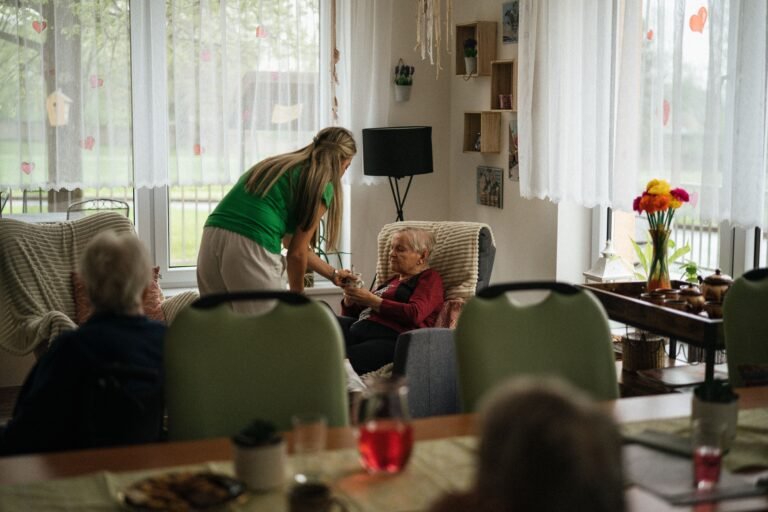
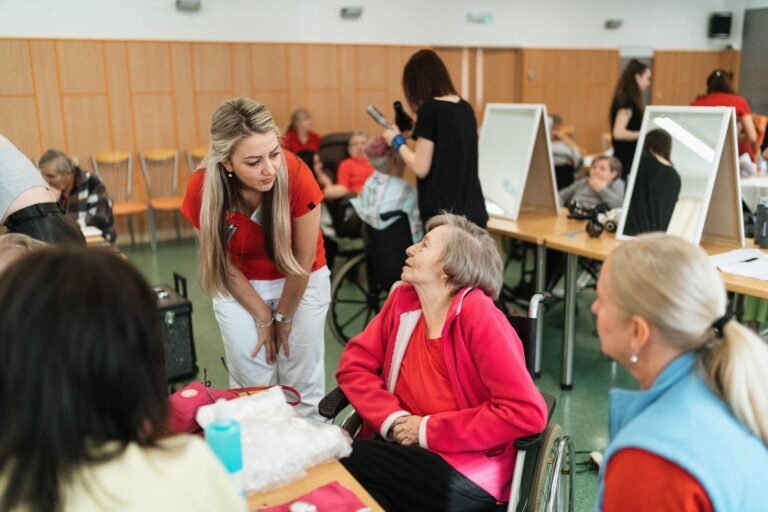
Current residents can sometimes tell you things a brochure cannot:
whether meals arrive hot, whether activities feel meaningful, whether staff answer, whether weekends feel different, or whether residents like their rooms.
But residents are not exhibits on a tour.
Ask permission, keep the conversation voluntary and nonintrusive, and protect privacy.
Start with consent
If a resident makes eye contact or conversation naturally, ask:
“Would you mind if I asked you a couple of general questions about living here?”
If they hesitate, move on.
Do not ask a staff member to make a resident answer questions for you.
Ask about daily life
Reasonable general questions can include:
- What do you like most here?
- What do you wish were different?
- How are the meals?
- Are there activities you enjoy?
- Do staff help when you need something?
- What are weekends like?
- Is it easy for family/friends to visit?
Keep questions simple.
Avoid private medical questions
Do not ask:
- What diagnosis do you have?
- Why are you in a wheelchair?
- What medicines do you take?
- Are you incontinent?
- Did staff cause that injury?
- What is wrong with your roommate?
A resident may volunteer personal information, but do not press for it.
Avoid roommate/staff gossip traps
A resident can describe their experience. Do not use them to investigate another resident’s care or private staff employment details.
If a resident raises a serious concern, listen respectfully and consider notifying an appropriate staff leader or ombudsman—with the resident’s wishes and immediate safety in mind.
Do not photograph or record without clear permission
A tour photo can capture residents, name boards, medical equipment, or other private information.
Ask the facility and the individual before photographing people.
Interpret one answer cautiously
A resident who loves the facility does not guarantee your parent will.
A resident who is unhappy may have a serious concern—or a very different situation.
Look for patterns across residents, staff answers, observations, inspections, and your parent’s needs.
Resident-conversation card
Permission asked: Yes / No
Meals: ______
Activities: ______
Staff help: ______
Weekends: ______
Visiting: ______
Resident’s favorite thing: ______
Concern to verify independently: ______
Frequently asked questions
Is it rude to talk to residents?
Not if the conversation is respectful and voluntary.
Should the tour guide leave?
Ask the resident what they prefer; do not put them in an uncomfortable position.
Can residents tell us whether care is safe?
They can share experience, but safety/quality should also be checked through official and resident-specific evidence.
The practical goal
Talk with residents, not about them.
Use their perspective as one human source of information while protecting dignity and privacy.
Related NHP guides
Primary sources checked
*Editorial/source review: October 15, 2026. General education only; verify site-specific staffing, state licensure, current clinical capability, and resident preferences directly.*