How to Evaluate a Nursing Home’s Language About Person-Centered Care
“Person-centered care” appears on many nursing-home websites.
Federal nursing-home rules also use the concept in a much more concrete way: the comprehensive care plan should include measurable objectives, resident goals and preferences, and participation by the resident/representative and interdisciplinary team.
Ask for examples of how preferences actually change daily care.
Ask about schedule choices
Federal resident-rights rules address choices over activities, schedules, sleeping/waking times, and other aspects of life that are significant to the resident.
Ask:
- Can a resident sleep later?
- Can bathing time be changed?
- What if the resident prefers a different meal routine?
- How are religious/cultural routines supported?
- What happens when a preference conflicts with safety or another resident’s rights?
Ask how preferences enter the care plan
“Can you show me—not another resident’s private record—how your care-plan process records preferences and turns them into staff instructions?”
They can explain the process without exposing someone else’s information.
Ask for a difficult example
A marketing example like “Mrs. Smith likes tea” is easy.
Ask:
“Tell me about a time a resident preference required staff to change a routine or solve a conflict.”
You are looking for problem-solving, not perfection.
Ask who attends care planning
Federal rules provide for resident participation and an interdisciplinary team.
Ask when the resident and family/representative are invited and how disagreements are documented.
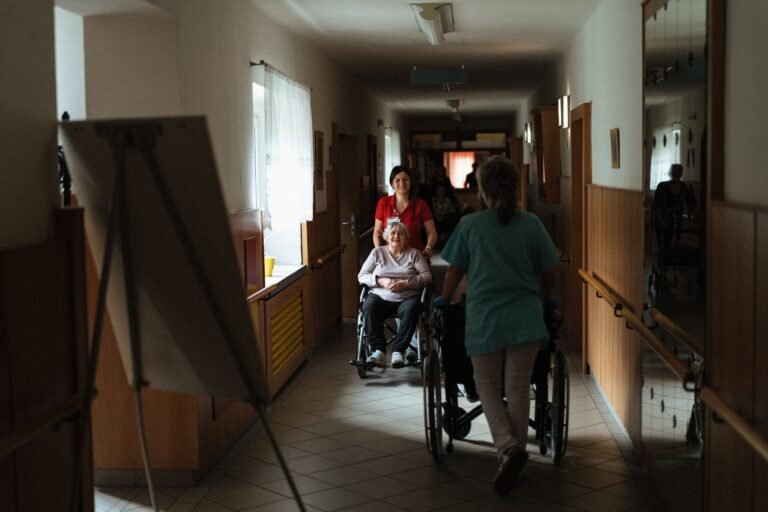
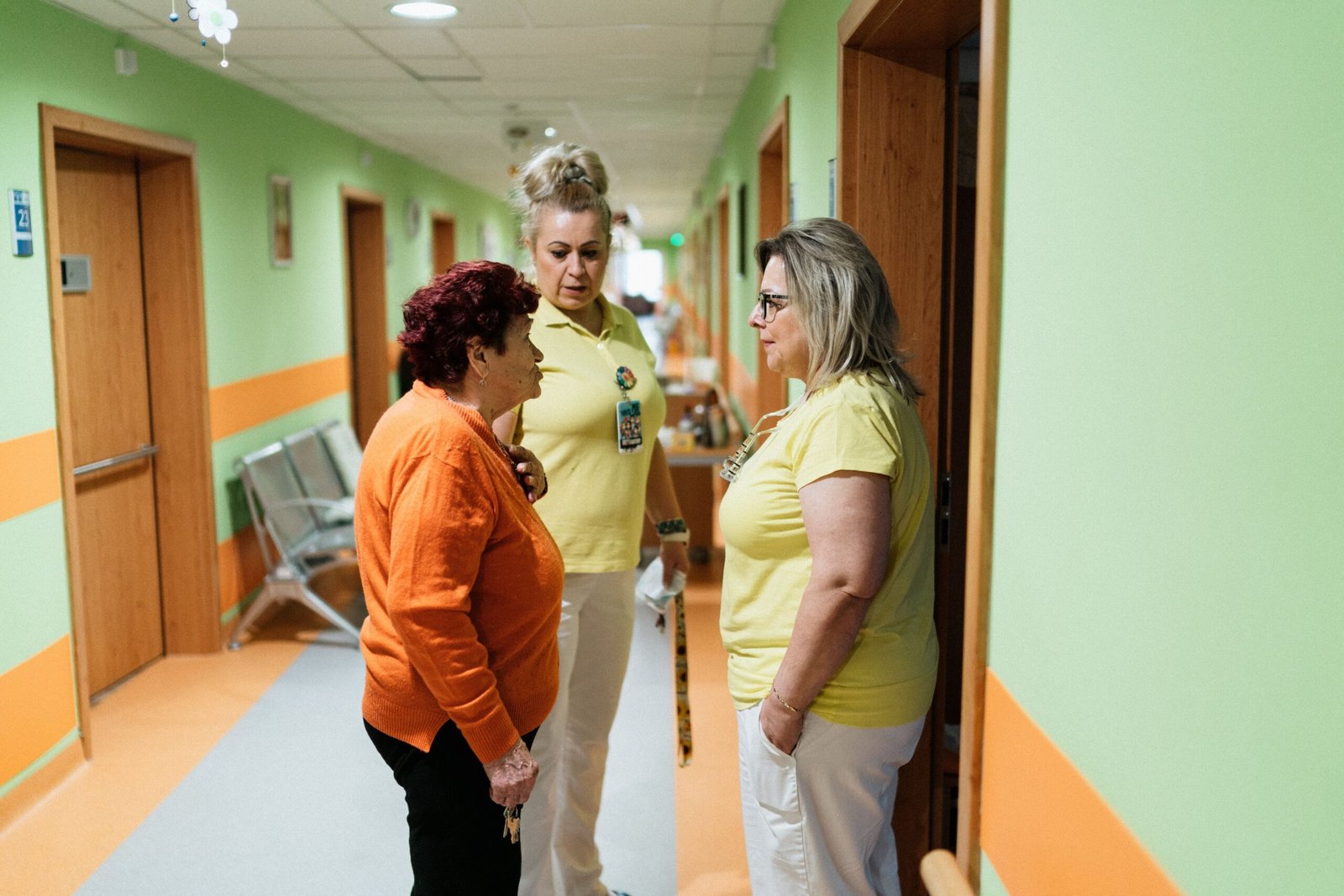
Observe whether daily life matches the language
Notice:
- residents choosing where to sit;
- staff using names/preferences;
- flexibility in routines;
- adapted activities;
- privacy; and
- respectful assistance.
One tour is only a snapshot.
Person-centered-care verification
Resident’s important preferences: ______
How facility records them: ______
Example of schedule flexibility: ______
Example of activity adaptation: ______
Care-plan participation: ______
How conflicts are resolved: ______
What you observed: ______
Frequently asked questions
Does person-centered care mean residents can do anything they want?
No. Choices operate within safety, rights of others, clinical needs, law, and facility capabilities.
Is “individualized care plan” enough proof?
It is required, but quality depends on whether the plan reflects the resident and guides actual care.
Should every routine be flexible?
Ask which choices can be accommodated and why limits exist.
The practical goal
Translate the slogan into evidence:
Which preferences are documented, who hears them, and what changes in the resident’s actual day because of them?
Related NHP guides
Primary sources checked
- eCFR — 42 CFR §483.21 Comprehensive person-centered care planning
- eCFR — 42 CFR §483.10 Resident rights, choices and schedules
*Editorial/source review: October 15, 2026. General education only; verify site-specific staffing, state licensure, current clinical capability, and resident preferences directly.*