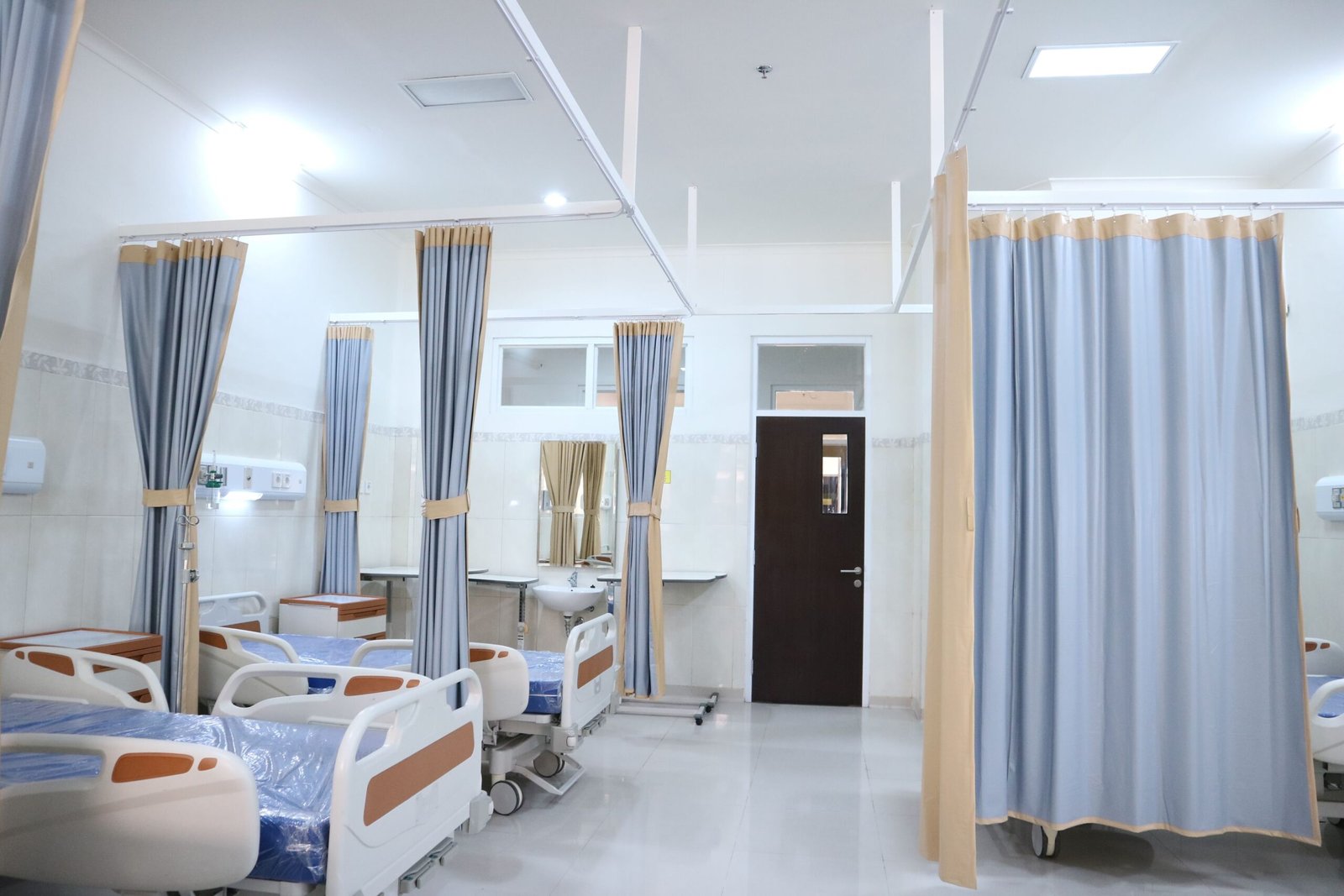
What to Ask When a Nursing Home Offers Only a Shared Room
Before accepting a shared room, confirm that the actual space, care arrangements, privacy protections, and written charges work for the person moving in. A place on a private-room waiting list is a separate possibility, not a promise that the shared arrangement will be brief.
Start with the resident’s view: “What would make sharing manageable for you, and what concerns you most?” Someone may value company but need quiet to sleep. Another person may accept a roommate but feel uncomfortable receiving personal care behind a curtain. Those concerns deserve specific answers rather than a general reassurance that everyone adjusts.
This guide addresses the room offered before admission. For a proposed move after someone already lives in a facility, use our separate guide to room changes and roommate rights.
Ask to see the room being offered—not just a similar room
Ask admissions to identify the room and bed position currently proposed. A furnished model room does not establish the layout, bathroom access, or storage available in that space. If the assignment is still tentative, record that uncertainty and arrange a final check before arrival.
During an in-person visit or a staff-guided video tour, look at the route from the entrance to the bed, bathroom, closet, and call system. Ask permission before photographing or recording; do not capture another resident or their belongings without appropriate consent.
A useful opening is:
“We are considering the shared room you offered. Before we decide, could you show us the proposed space and have the appropriate staff confirm how it will work with the equipment and assistance needed?”
That request is more useful than asking whether the room is “accessible.” It ties the answer to the individual and the offered space.
Have the care team check fit, not just square footage
Ask the nursing or therapy team to review the actual equipment and support needs. Can staff provide the assessed assistance at the bed and in the bathroom without relying on the roommate to move furniture or help? Where will equipment be stored when it is not in use? How will someone reach assistance from the bed and toilet?
Do not attempt an unfamiliar transfer or squeeze equipment through a tight space to test whether it might work. Ask qualified staff to evaluate the arrangement using the person’s current care instructions.
For Medicare- and Medicaid-certified nursing facilities, federal physical-environment requirements address adequate space and equipment, bedroom comfort and privacy, and a resident call system. They are not a substitute for checking this particular room with this particular resident’s needs.
Details worth resolving include a safe place for glasses or hearing supports, access to personal storage, the route used at night, and where visitors can sit without blocking assistance. A room that photographs well can still have an awkward bedside arrangement.
Separate privacy rights from a promise of a private room
The federal resident-rights rule protects personal privacy, including during personal care, visits, and communications. It expressly does not require a private room for every resident. Ask how privacy will work in practice rather than assuming either that sharing eliminates privacy or that a privacy concern automatically guarantees a single room.
For example, where can a resident have a confidential call or discuss a sensitive issue? How are curtains or other privacy arrangements used during care? What happens when one person has visitors and the other wants to rest? How can someone raise a concern without having to confront a roommate alone?
Be specific about the prospective resident’s preferences. “My mother would like somewhere to speak privately with her sister” gives the team a practical issue to solve. “There must never be any noise” does not define an arrangement staff can realistically explain.
Discuss compatibility without requesting another person’s medical information
Ask about the facility’s matching process, not another resident’s diagnoses, medications, or confidential history. Useful subjects include general sleep routines, television or headphone expectations, visiting arrangements, temperature preferences, language and communication considerations, and how staff respond to conflicts.
Where appropriate and with both people’s agreement, ask whether an introduction is possible. It should be an opportunity to meet, not an interview about someone else’s health. A first pleasant conversation also cannot guarantee long-term compatibility.
Ask who will help if the arrangement becomes difficult: the unit nurse, social worker, or another named staff member. Find out how a concern is documented and reviewed. Avoid relying on a verbal assurance that staff can “just move someone” immediately; future room availability and the applicable resident protections still matter.
If the person wants to share with a spouse or a specific consenting resident, raise that separately. Federal rules address these situations, with different conditions for spouses and a roommate of choice. Get an explanation of how those provisions apply rather than assuming they guarantee any room requested.
Get the current price and any possible upgrade terms separately
Ask for the charge for the offered shared accommodation, the services included, and any additional charges relevant to the assessed needs. Then request the terms for a private room, if one is being considered. Keep these as two distinct arrangements in your notes.
For an eligible Medicare-covered skilled nursing stay, Medicare lists a semiprivate room among covered services. That does not establish coverage for this admission, a private-room preference, or ongoing residential care. Confirm the individual benefit and any proposed out-of-pocket charge with the payer and facility before agreeing to it.
For a private-room waiting list, clarify whether an application, deposit, or ongoing fee is involved; what any payment buys; how offers are made; and what happens if the resident declines an offer. Ask for refund and cancellation terms before paying. Do not interpret “you are next” as a guaranteed move-in date.
The practical question is: Would this shared room still be acceptable if no private room becomes available? If the answer is no, tell the care-planning team now so alternatives can be evaluated rather than assuming a later upgrade will solve the problem.
Use this shared-room decision worksheet
Complete this with the resident whenever possible. Write “not confirmed” instead of leaving an important uncertainty hidden.
| Decision item | Answer to record before accepting |
|---|---|
| Room offered | Proposed room and bed position; whether the assignment is confirmed or tentative. |
| Resident’s priorities | The two or three things that matter most, such as private calls, sleep, or convenient storage. |
| Care and equipment fit | Which staff member checked the actual space, what was accepted, and what still needs changing. |
| Daily privacy | How personal care, confidential conversations, visitors, and belongings will be handled. |
| Shared routines | How staff handle incompatible schedules, noise, or other concerns without disclosing private records. |
| Current charges | Written shared-room rate or verified covered arrangement, relevant extra charges, and billing contact. |
| Possible private room | Waiting-list conditions, any payment and refund terms, and what is not guaranteed. |
| Open issue | The unresolved question, named person handling it, and when you will check the answer. |
Use the completed worksheet to choose among three next actions: proceed with the confirmed arrangement, request a specific correction before proceeding, or continue looking while maintaining an appropriate care plan. This is not a score that can turn an unsuitable room into a safe one.
A hypothetical example: a promised upgrade is not the current offer
A family is offered a shared room and told a private room “may open soon.” Their parent can accept sharing but needs a particular equipment arrangement and somewhere for private calls.
Instead of deciding based on the possible upgrade, they ask the care team to review the current bedside setup and show the private-call option. They also obtain the two sets of charges and waiting-list conditions. The decision then rests on what is actually available and agreed—not an estimated future vacancy.
Before the move, confirm the room and the admission separately
An acceptable room is only one part of admission. Confirm clinical acceptance, required information and orders, payment arrangements, and who will receive the resident. Our nursing home admission checklist covers that broader handoff.
You can browse nursing-home and senior-care communities to identify options to contact. Directory inclusion does not verify an open room, care capability, price, certification, or insurance participation. Ask the facility directly about the actual offer before making arrangements.
Sources and scope
Sources checked October 14, 2026. This article offers general planning information, not an individual medical, legal, insurance, or admission determination. Federal provisions discussed here concern Medicare- or Medicaid-certified nursing facilities; other settings and state rules may differ.
- 42 CFR §483.10 — Resident rights, including privacy and room-sharing provisions.
- 42 CFR §483.90 — Physical environment.
- Medicare — Skilled nursing facility care.