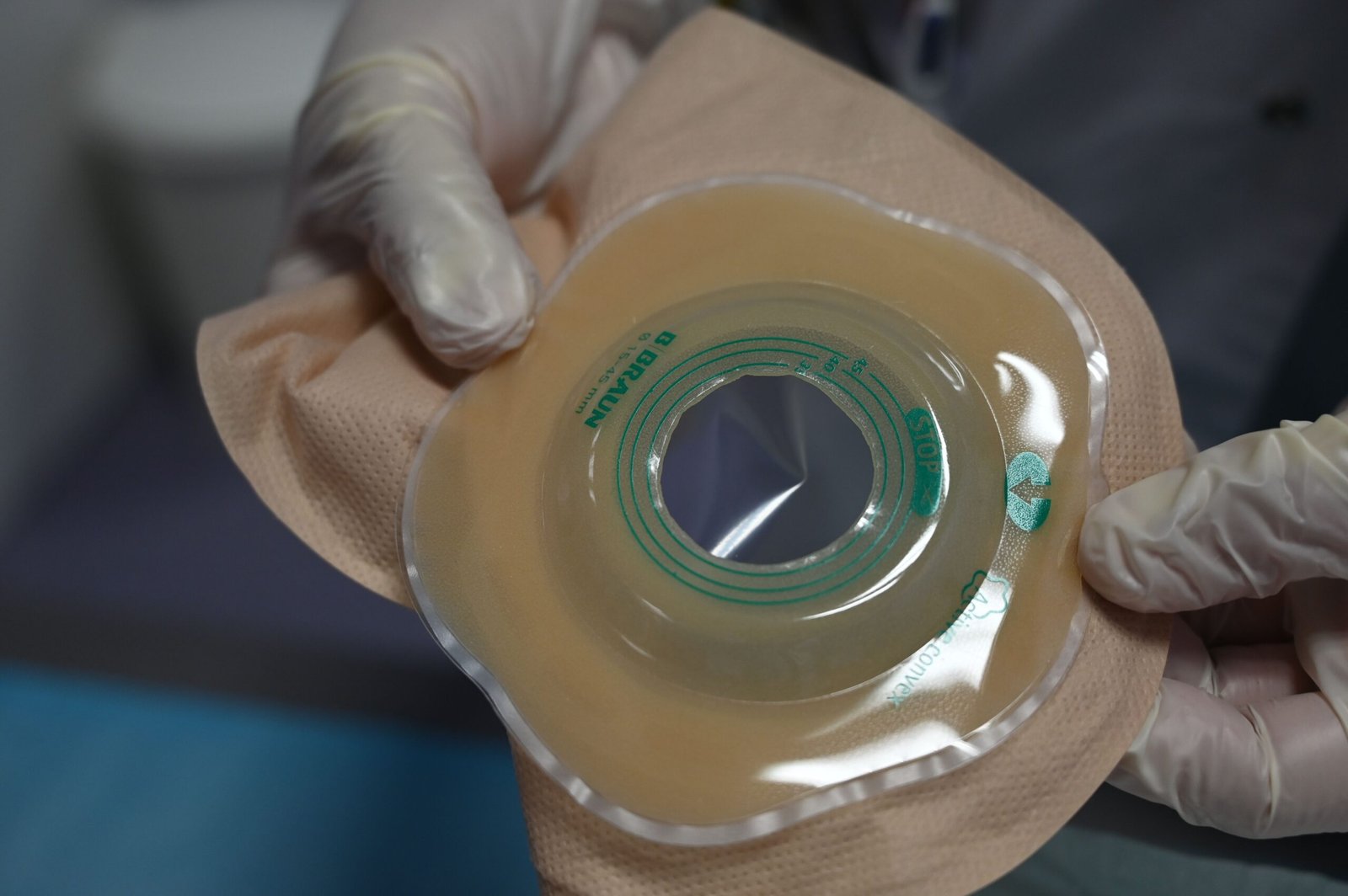
Ostomy Care in Nursing Homes: What Families Should Verify
A resident with a colostomy, ileostomy, or urostomy may need nursing support that goes beyond changing a pouch.
The nursing home must be able to manage the resident’s specific stoma, skin, equipment, hydration, medication, and complication risks.
Federal nursing-home quality-of-care requirements specifically recognize colostomy, urostomy, and ileostomy care as specialized services that must be provided according to professional standards, the care plan, and the resident’s goals and preferences.
Identify the exact ostomy
Ask the hospital or surgeon to document whether the resident has a:
- colostomy;
- ileostomy;
- urostomy; or
- other diversion.
Also record:
- surgery date;
- stoma location;
- appliance brand and size;
- pouch-change schedule;
- skin products;
- output expectations;
- dietary or hydration instructions; and
- surgeon or ostomy-nurse contact.
Ask who performs ostomy care
Find out whether:
- the resident manages it independently;
- aides assist with setup;
- nurses change the appliance;
- a wound/ostomy nurse is available; or
- an outside specialist follows the resident.
The plan should match the resident’s actual ability.
Skin around the stoma matters
MedlinePlus advises monitoring stoma and surrounding skin.
Ask staff how they respond to:
- redness;
- pain;
- rash;
- leakage;
- skin breakdown;
- bleeding;
- poor appliance seal; or
- change in stoma appearance.
Repeated leakage should trigger more than replacing the pouch again and again.
Ileostomy residents may need closer hydration attention
Ileostomy output can create meaningful fluid and electrolyte losses.
Ask the clinical team about:
- normal output for this resident;
- signs of dehydration;
- fluid recommendations;
- when high output requires a clinician call; and
- whether laboratory monitoring is needed.
Do not apply generic fluid advice when the resident has heart, kidney, or other conditions requiring individualized instructions.
Ask about supplies
Confirm:
- who orders pouches;
- whether the resident’s preferred system is available;
- what happens when supplies run low;
- whether substitutions require clinical review; and
- who pays for non-covered supplies.
A move can fail quickly if the facility does not have the correct appliance.
Medication absorption can matter
Some medications may behave differently after certain bowel surgeries.
Ask the pharmacist or prescriber whether any medication formulation requires review.
Do not crush or change medication formulations without professional guidance.
Dignity and independence matter
Ostomy care is personal.
Ask whether the resident can:
- participate;
- choose timing when clinically reasonable;
- have privacy;
- use the bathroom independently when able; and
- receive discreet help without unnecessary exposure.
A practical example
Linda has managed her colostomy independently for years but develops arthritis and can no longer cut the barrier accurately.
The nursing home agrees to provide setup help while allowing Linda to empty the pouch herself.
When recurrent leakage begins, the facility contacts an ostomy specialist rather than assuming Linda is “noncompliant.”
The care supports both safety and independence.
Eight questions to verify
- Can the facility manage this exact type of ostomy?
- Who changes or assists with the appliance?
- Is wound/ostomy expertise available?
- How is peristomal skin monitored?
- How are hydration and output monitored when relevant?
- Who orders supplies?
- How are medication issues reviewed?
- How much self-care can the resident continue doing?
Make ostomy support part of the facility-fit check
Use the broader nursing-home search guide to build a shortlist, then ask how ostomy care fits with bathing and toileting support and other health services provided or coordinated by the nursing home.
Sources and review date
Sources checked October 12, 2026.
- eCFR: 42 CFR §483.25 — Quality of Care
- MedlinePlus: Ileostomy — Caring for Your Stoma