Choosing Senior Care After a Stroke With Aphasia: What to Ask
Aphasia can make a stroke survivor sound confused even when their thinking is much clearer than their speech suggests.
The American Stroke Association emphasizes that aphasia affects the ability to use or understand language; it does not automatically mean the person has lost intelligence.
When comparing rehabilitation, assisted living, or nursing-home care after a stroke, ask whether staff can communicate with your parent rather than speaking around them.
Clarify the communication problem
Ask the speech-language pathologist whether your parent has:
- expressive aphasia;
- receptive aphasia;
- global aphasia;
- apraxia of speech;
- dysarthria;
- reading or writing difficulty; or
- a combination.
Different communication problems need different strategies.
Ask for a communication plan
The care setting should know:
- how the person answers yes/no questions;
- whether pictures help;
- whether writing helps;
- how much time they need to respond;
- what words or gestures are reliable;
- whether background noise makes understanding harder; and
- how staff confirm that the person understood.
The American Stroke Association recommends techniques such as short sentences, yes/no questions, gestures, writing, pictures, and establishing the topic before conversation.
Do not mistake aphasia for lack of decision-making capacity
A person may have difficulty expressing a choice while still understanding the decision.
Ask staff how they support communication before concluding that the resident cannot participate in care decisions.
Legal decision-making capacity is individualized and is not determined by aphasia alone.
Speech-language pathology matters
Ask:
- Is speech-language pathology available?
- How often?
- Does the therapist treat aphasia routinely?
- Are communication strategies shared with nursing and aides?
- Are family members trained?
- Are swallowing issues also being addressed if present?
A therapy plan is more useful when strategies continue outside formal therapy sessions.
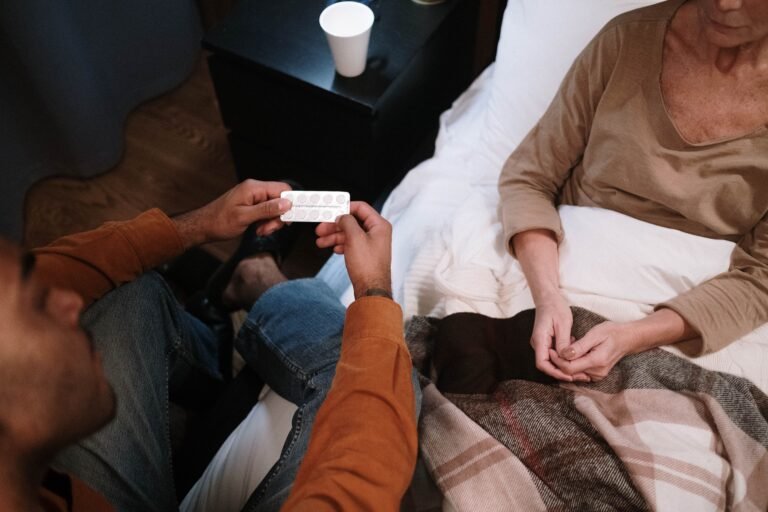
Ask how medications and consent are explained
Aphasia can make routine care confusing.
Ask how staff explain:
- medications;
- bathing;
- transfers;
- procedures;
- pain questions; and
- care-plan choices.
A person should not be rushed simply because communication takes longer.
Look at the environment
Communication is easier when staff can reduce:
- loud television;
- competing conversations;
- alarms;
- visual distraction; and
- time pressure.
A quieter room or dining location may help.
Test communication during a real care task
During a tour or care meeting, ask staff how they would explain a medication change, therapy instruction, meal choice, or bathroom plan to this resident. Look for time, patience, one idea at a time, confirmation of understanding, and willingness to use writing, pictures, gestures, or the resident’s established communication tools when helpful.
If the move follows a recent stroke and the family is still comparing post-acute settings, also review After a Stroke: How to Compare Rehab Settings for Your Parent.
A practical example
Robert has aphasia after a stroke.
He understands most conversation but struggles to find words.
One facility assumes he is cognitively impaired because he answers slowly.
Another asks the hospital speech-language pathologist for his communication plan, uses yes/no questions, gives him time, and keeps a picture board nearby.
The second facility is better prepared for his actual need.
Eight questions to ask
- What type of aphasia or communication disorder does my parent have?
- What communication strategies work?
- Is speech-language therapy available?
- How are strategies shared across shifts?
- How do staff confirm understanding?
- How are care decisions presented?
- Is the environment quiet enough for communication?
- How will family learn the same techniques?
See also After a Stroke: How to Compare Rehab Settings.
Sources and review date
Sources checked October 12, 2026.
- American Stroke Association: Aphasia and Stroke
- American Stroke Association: Aphasia Diagnosis and Treatment
- American Stroke Association: Let’s Talk About Stroke and Aphasia