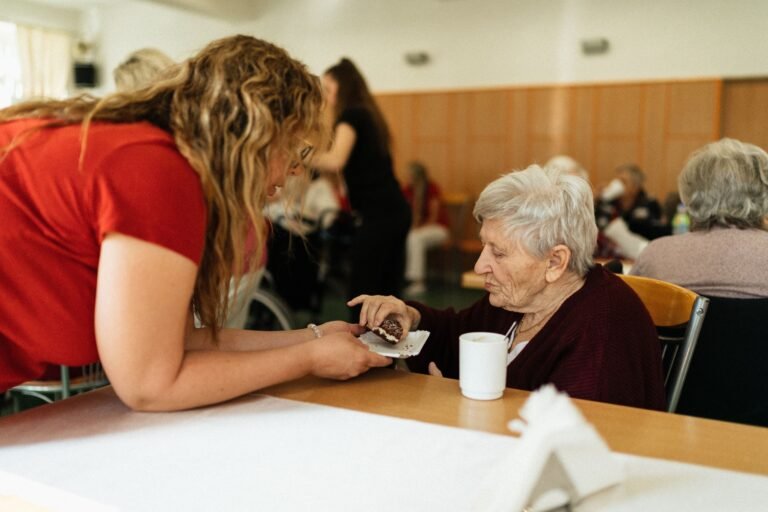
Nursing Home Care Plan Meetings: Questions Families Can Bring
The first nursing-home care meeting can feel intimidating: nurses use unfamiliar terms, several people speak, and a parent may be tired or overwhelmed. A useful meeting is not a test of your medical knowledge. It should produce a clear picture of the resident’s goals, what staff will do, and who follows up.
The key question: What should I say at the care-plan meeting?
Start with the resident’s priorities
Before the meeting, ask your parent what matters most: controlling pain, walking to meals, sleeping better, seeing family, returning home or simply feeling comfortable. Ask that these goals be reflected in the plan. Residents should participate as appropriate, with family or representatives involved according to their rights and preferences.
Turn vague statements into a measurable plan
If the team says it will “monitor nutrition,” ask who records meals, what changes trigger action and how progress will be shared. For therapy, ask about realistic goals and reevaluation. For medication changes, ask which clinician is responsible. Written details make follow-up possible without creating an adversarial meeting.
Agree on communication and review
Ask who updates the family, when the next review occurs, what changes prompt an earlier meeting and how a concern can be escalated. The plan should evolve if the resident’s needs or wishes change. Keep a copy or summary and note who owns unresolved issues.
Leave the meeting with a usable plan
Before the meeting, write one page with your parent’s top three priorities in their own words when possible—for example, walking safely to meals, getting out of bed for breakfast, and being able to call family. Bring a list of recent changes and questions. Ask the team who will attend, including nursing, therapy, nutrition or social services as appropriate to the issues.
For each goal, ask: What will staff do? How often? Who records progress? What signs mean the plan needs review? For a resident losing weight, “monitor nutrition” is vague. A more useful answer identifies how intake and weights are observed, when the dietitian or clinician is notified, and how the resident’s preferences are considered.
Close by repeating the commitments aloud: “My understanding is that the therapy lead will reassess transfers by Friday and the nurse will call us after the review.” Ask how the resident can participate, how authorized representatives receive information, and how concerns are handled between formal meetings. The care plan should guide everyday care rather than sit unread in a binder.
What this looks like in real life
One family’s useful question might be, “Dad wants to eat breakfast in the dining room. What help would he need, and how will we know whether that goal is realistic?” It invites a collaborative answer.
Your next three steps
- Bring the resident’s top three personal goals.
- Ask about medications, mobility, nutrition, comfort and communication.
- Leave with the person responsible for each follow-up and the next review date.
Four questions to take to the conversation
Bring these to a tour, care meeting or phone call. Record the answer, who gave it and anything you still need in writing.
| Ask this | Listen for |
|---|---|
| What goal matters most to my parent? | A resident’s own priority gives clinical discussion a purpose. |
| Who owns the next action? | Plans are easier to use when one person is responsible. |
| What should improve, and by when? | Defined observations make a vague care goal measurable. |
| How do I report a change between meetings? | Care planning is continuous, not confined to a scheduled conference. |
Frequently asked questions
Can a family member attend?
Residents have rights regarding participation and representatives. Ask the facility how to include the people the resident wants involved.
What if the plan does not match what is happening?
Document specific examples and request a review with the appropriate clinical lead; the ombudsman can help with unresolved concerns.
A good meeting ends with names and next steps
The meeting has succeeded when the resident feels heard and the family can say what happens next, who does it, and when the plan will be reconsidered. Keep your one-page summary somewhere accessible, and bring it to the next conversation. A care plan is useful only when it changes care.
For another way to compare the options, read our related guide: nursing-home admission checklist. You can also explore senior-care communities at browse care communities or use the Care Finder at NHP Care Finder.
Source and important context
Official starting point: 42 CFR §483.10 resident rights. This guide is general education, not personal medical, legal, insurance, regulatory or benefits advice. Confirm current state rules and the individual care arrangement with the relevant agency or qualified professional.