Nursing Home Staffing Ratings: What the Numbers Really Tell Families
Imagine visiting two nursing homes with equally welcoming lobbies. One has noticeably steadier weekend staffing; the other has a nicer dining room. The staffing information deserves at least as much attention as the décor. Staffing measures are signals—not promises about a particular shift—and families can use them to ask far better questions.
The key question: Will someone actually be there when my parent needs help?
Start with more than the overall star rating
Medicare Care Compare separates staffing from health inspections and quality measures. The staffing component draws on reported nurse hours, weekend coverage, turnover and other factors. A facility can be strong in one area and weaker in another. Read the individual dimensions rather than averaging the whole decision into one star. Compare facilities within the same area and revisit the report because operations can change.
Turn averages into on-the-ground questions
Hours per resident per day are facility-level averages, not minutes owed to your parent. Ask who answers call lights overnight, who covers meal assistance, whether the same caregivers regularly serve a unit, and what happens when staff call out. Ask about both licensed nurses and nursing assistants; their roles are different. On a tour, watch whether residents are waiting for routine assistance, but do not mistake a single observation for a complete audit.
Look closely at weekends and turnover
Weekend staffing and employee turnover can reveal patterns that a weekday visit misses. A facility may schedule a polished weekday tour yet feel very different late on Sunday. Ask the admissions team how weekend coverage differs, who supervises shifts, and how it trains agency or replacement staff. Request specific explanations rather than reassurance that staffing is “always adequate.”
How to compare two homes fairly
Create a four-column note for each facility: reported staffing figures, a question you asked, the answer you received, and what you observed. Try to visit a similar unit at a similar time of day. A high average number can coexist with a difficult evening; a lower number can invite an explanation about resident needs and staffing plans. Neither observation alone settles whether a home can care for your parent.
Ask specifically about the nursing roles involved. A registered nurse assesses and coordinates clinical care; aides help with many daily activities; their hours are not interchangeable. If your parent needs insulin oversight, wound care, or frequent transfer assistance, request an explanation from the clinical manager of who handles each task and who substitutes when that person is absent.
For weekend and night coverage, ask, “If two residents need help at once, who is the backup?” This gets closer to the resident experience than “Are you fully staffed?” Record the staff member’s name and ask whether you can speak to a nurse from the unit where your parent would live.
What this looks like in real life
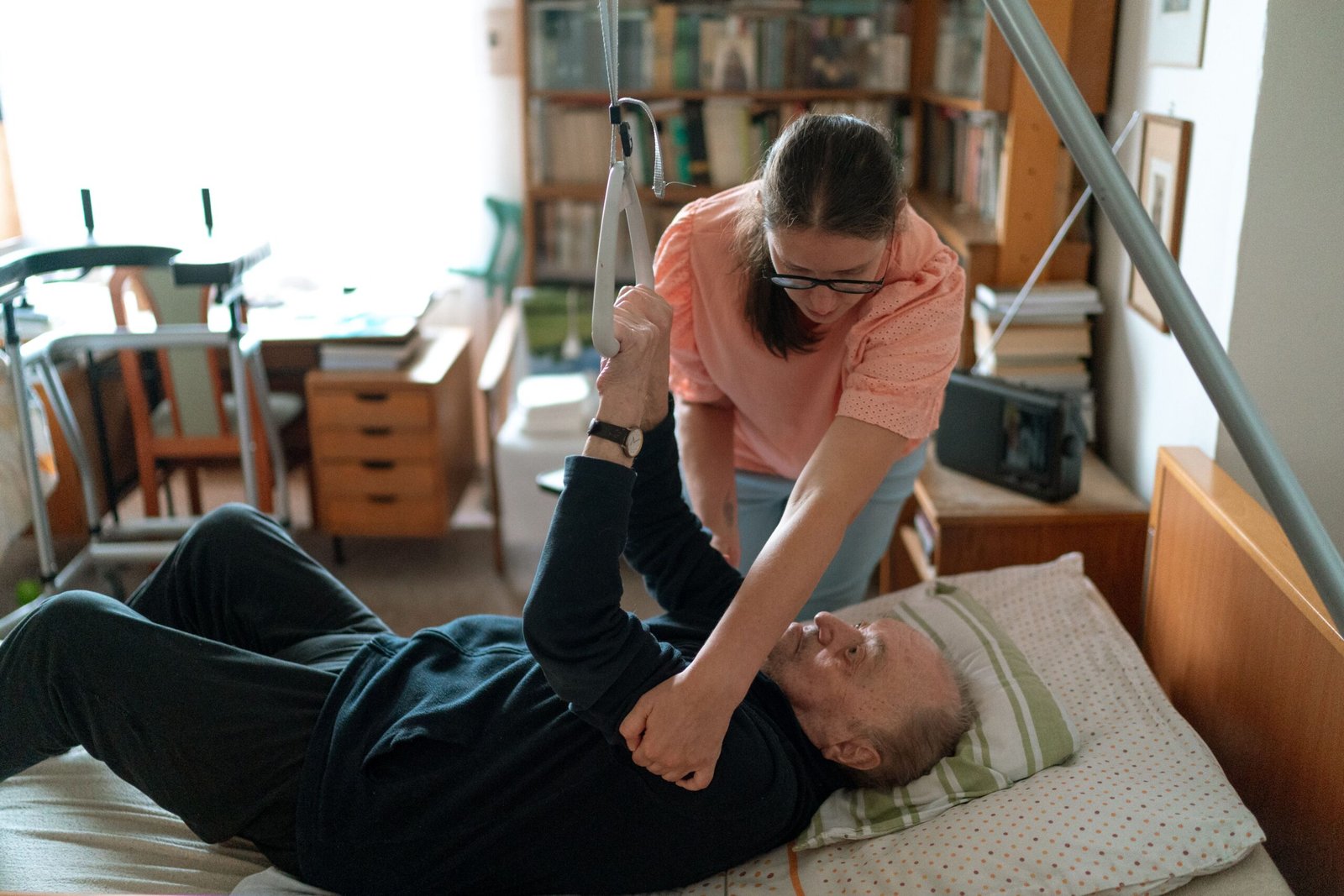
For example, if your father needs two-person assistance transferring from bed to chair, ask who is available at 6 a.m. and 9 p.m. and how staff document his care plan. A staffing star cannot answer that personal question; the team should be able to.
Your next three steps
- Compare the staffing, inspection and quality sections for the same facilities.
- Ask about overnight and weekend staffing on your parent’s likely unit.
- Request a care-specific explanation of how transfers, meals and call lights will be covered.
Four questions to take to the conversation
Bring these to a tour, care meeting or phone call. Record the answer, who gave it and anything you still need in writing.
| Ask this | Listen for |
|---|---|
| Who covers the actual unit after dinner? | Averages can conceal a difference between the facility total and the shift your parent will experience. |
| What happens if two-person transfer help is needed during a staff absence? | The answer tests backup staffing, not just scheduled headcount. |
| Can we speak with the nurse who oversees this unit? | A clinical leader can connect staffing figures to your parent’s specific care plan. |
| What changed since the latest reported quarter? | Public figures lag the present, so ask about recent staffing changes without dismissing the report. |
Frequently asked questions
Does a five-star staffing rating guarantee good care?
No. It summarizes reported measures and does not replace a tour, a clinical assessment, current staffing information or follow-up with families and residents.
Should I avoid a home with high turnover?
Treat turnover as a reason to investigate. Ask what changed, how staffing is stabilized and whether it affects the unit your parent may use.
A staffing number is the start of a better conversation
When you leave a tour, you should know more than the star rating. You should be able to name who will help your parent on difficult shifts, who supervises those people, and what happens when staffing changes. If a home cannot answer those questions, keep looking or request a conversation with its clinical leader before committing.
For another way to compare the options, read our related guide: nursing-home tour checklist. You can also explore senior-care communities at browse care communities or use the Care Finder at NHP Care Finder.
Source and important context
Official starting point: Medicare Care Compare staffing information. This guide is general education, not personal medical, legal, insurance, regulatory or benefits advice. Confirm current state rules and the individual care arrangement with the relevant agency or qualified professional.