A Nursing-Home Resident Wants More Privacy During Personal Care
A nursing-home resident may need help with bathing, toileting, dressing, wound care, grooming, transfers, or other personal needs.
That dependence does not mean privacy disappears.
Federal nursing-home resident-rights rules protect personal privacy, including privacy related to accommodations, medical treatment, personal care, communications, visits, and records. CMS survey guidance specifically addresses the resident’s physical body and personal space during hands-on care.
If a resident says, “I don’t want people walking in while they help me,” that concern deserves a concrete response.
Ask the resident what “privacy” means to them
Different residents may want different things.
Ask:
- Do you want the door fully closed or partly closed?
- Do you want the privacy curtain used every time?
- Do you want staff to knock and wait before entering when possible?
- Do you want each step explained before staff begin?
- Are there people you do not want present during care?
- Are there family members or visitors you want asked to step out?
- Do you have preferences about the gender of staff providing intimate care, recognizing staffing and emergency limitations?
- Are there trauma, cultural, religious, or personal concerns the team should know about?
The resident’s answer should guide the plan to the extent possible.
Federal guidance is specific about personal-care privacy
Current CMS survey guidance explains that residents have a right to privacy and confidentiality for all aspects of care and services.
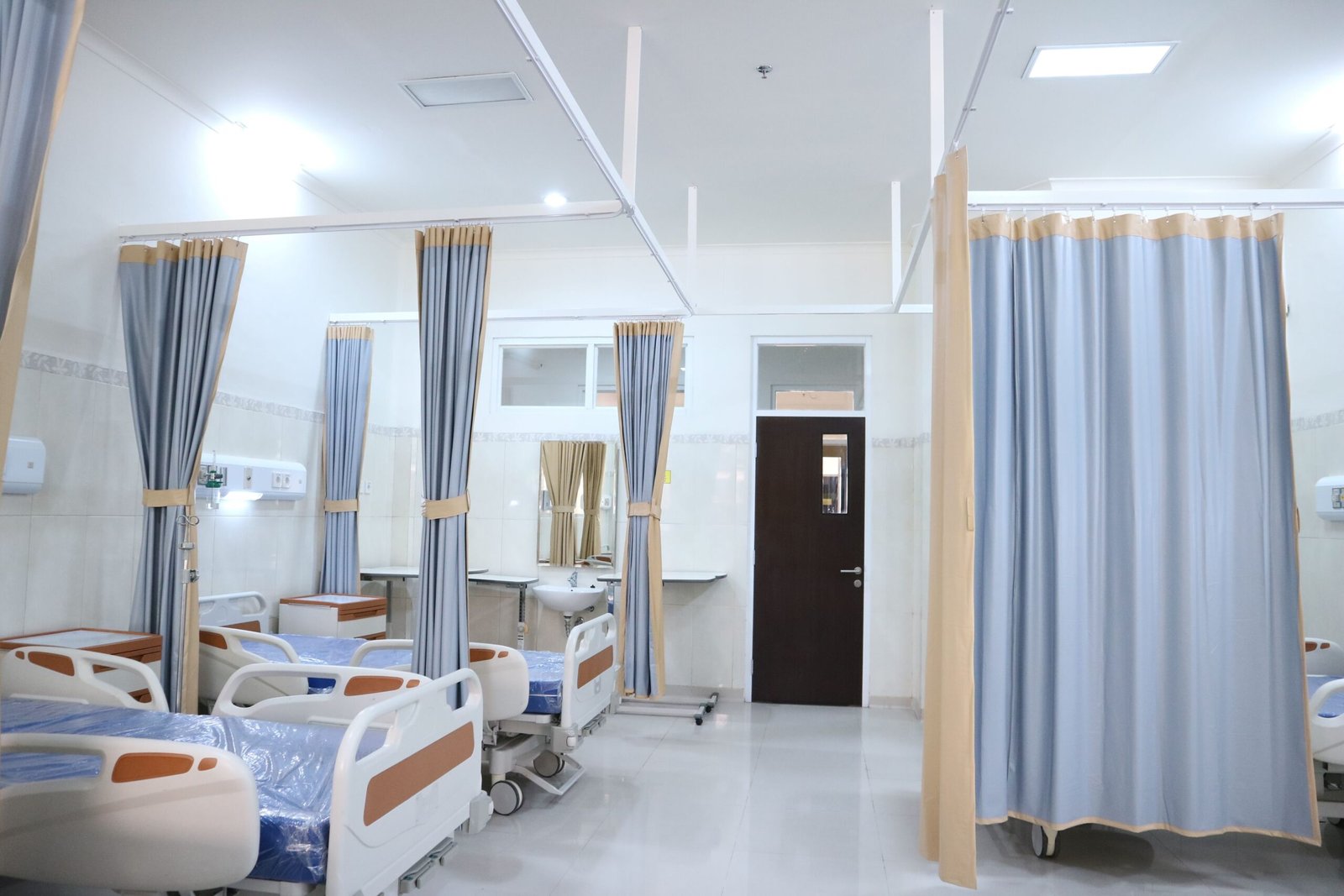
It states that during personal care, staff should protect the resident from public view—for example by closing doors or privacy curtains and using clothing or draping to prevent unnecessary exposure. It also notes that only authorized staff directly involved in care should be present unless the resident consents to others being present.
A shared room does not eliminate those protections.
Privacy is more than closing the door
Families can look for several layers of privacy:
Visual privacy
- door or curtain used appropriately;
- body covered except as needed for care;
- care not performed in view of visitors or passersby;
- bathroom and toileting privacy protected.
Verbal privacy
- staff avoid discussing private health information where unrelated people can hear;
- the resident is not questioned about sensitive matters in a public hallway;
- family updates occur in an appropriate setting.
Choice and explanation
- staff tell the resident what they are doing;
- the resident is given a chance to ask questions or decline when clinically and legally applicable;
- preferences are respected rather than treated as inconveniences.
Visitors should not automatically remain during care
A resident may love having family present and still want them to leave during toileting or bathing.
Staff should not assume a spouse, adult child, friend, roommate, or visitor can remain simply because that person is close to the resident.
Ask the resident.
If the resident has a representative, remember that representative authority does not automatically erase the resident’s dignity or the need to include the resident to the extent possible.
What about roommates?
In a shared room, privacy may require more deliberate practice.
Ask:
- Are curtains positioned and functioning properly?
- Are staff conversations kept appropriately quiet?
- Can sensitive conversations occur somewhere more private when needed?
- Are visitors asked to respect the roommate’s privacy?
- Does the care routine unnecessarily expose one resident to the other?
A private room is not required for every resident, but the facility still has to protect personal privacy.
Repeated problems should become an individualized improvement plan
If privacy problems keep happening, avoid relying only on hallway reminders.
Document examples:
- date/time;
- what type of care was occurring;
- what privacy protection was missing;
- what the resident wanted;
- whom the resident/family notified; and
- what happened afterward.
Then ask the nurse manager or care-plan team:
- What is the resident’s privacy preference?
- Is it documented in the care plan or routine instructions where appropriate?
- How will all shifts know it?
- What practical change will be made?
- When will the resident be asked whether the change is working?
Do not confuse privacy with unsafe isolation
A resident may request a closed door, quiet room, or fewer people present. The care team still has to consider safety, supervision, infection-control needs, emergency access, and the resident’s assessed condition.
The answer should not simply be “privacy is impossible.” It should be an individualized plan that protects dignity and addresses the actual safety need.
Privacy during photography and video matters too
Do not photograph or record a resident receiving personal care casually.
CMS guidance has specifically addressed resident privacy and unauthorized photographs/recordings. Facilities, families, and visitors should follow resident consent, facility policy, and applicable law.
If a family is considering a camera or monitoring device, state law and facility rules can vary significantly. Get appropriate legal/facility guidance rather than assuming recording is permitted.
When to escalate
Escalate beyond a routine reminder when:
- the resident is repeatedly exposed during care;
- unrelated people remain present despite the resident’s wishes;
- staff discuss private medical information publicly;
- the concern appears systemic across shifts;
- the resident is humiliated, frightened, or avoiding needed care because privacy is not protected; or
- complaints are dismissed without a plan.
The next step may include the charge nurse, director of nursing, administrator, grievance process, or Long-Term Care Ombudsman depending on the issue.
If the situation involves suspected abuse, exploitation, or immediate danger, use the appropriate urgent reporting or emergency channel rather than waiting for a routine care meeting.
A practical script
“Dad needs help with toileting, but he is embarrassed when the door is left open. He wants the door closed and only the staff needed for the task present. Can we document that preference and make sure every shift knows the routine?”
That keeps the conversation focused on the resident’s dignity and a specific fix.
Frequently asked questions
Does a resident in a shared room still have a right to privacy?
Yes. Federal rules do not require every resident to have a private room, but the facility must protect personal privacy during care and in the resident’s personal space.
Can family stay during personal care?
Only if the resident wants that and the arrangement is appropriate. Do not assume family presence equals consent.
What if staff say the curtain makes care harder?
Ask what safe alternative will protect privacy. The facility should address the resident’s privacy and care needs together.
The practical goal
A resident who needs hands-on help should still be able to feel:
“This is my body. Staff explain what is happening. I am covered when possible. Only the people who need to be here are here. My choices matter.”
That is not a luxury. It is part of dignified nursing-home care.
Primary sources checked
- eCFR — 42 CFR § 483.10, Resident Rights
- CMS State Operations Manual, Appendix PP — F583 Privacy and Confidentiality
- CMS — Residents’ Rights & Quality of Care
Editorial/source review: October 16, 2026. General U.S. education only. State privacy/recording law, representative authority, safety needs, and facility procedures vary.
Next step for families: Browse senior-care communities to compare local options, or use the Care Finder to organize the care needs and your next questions. Always verify current services, staffing, clinical capability, costs, and availability directly with the provider.