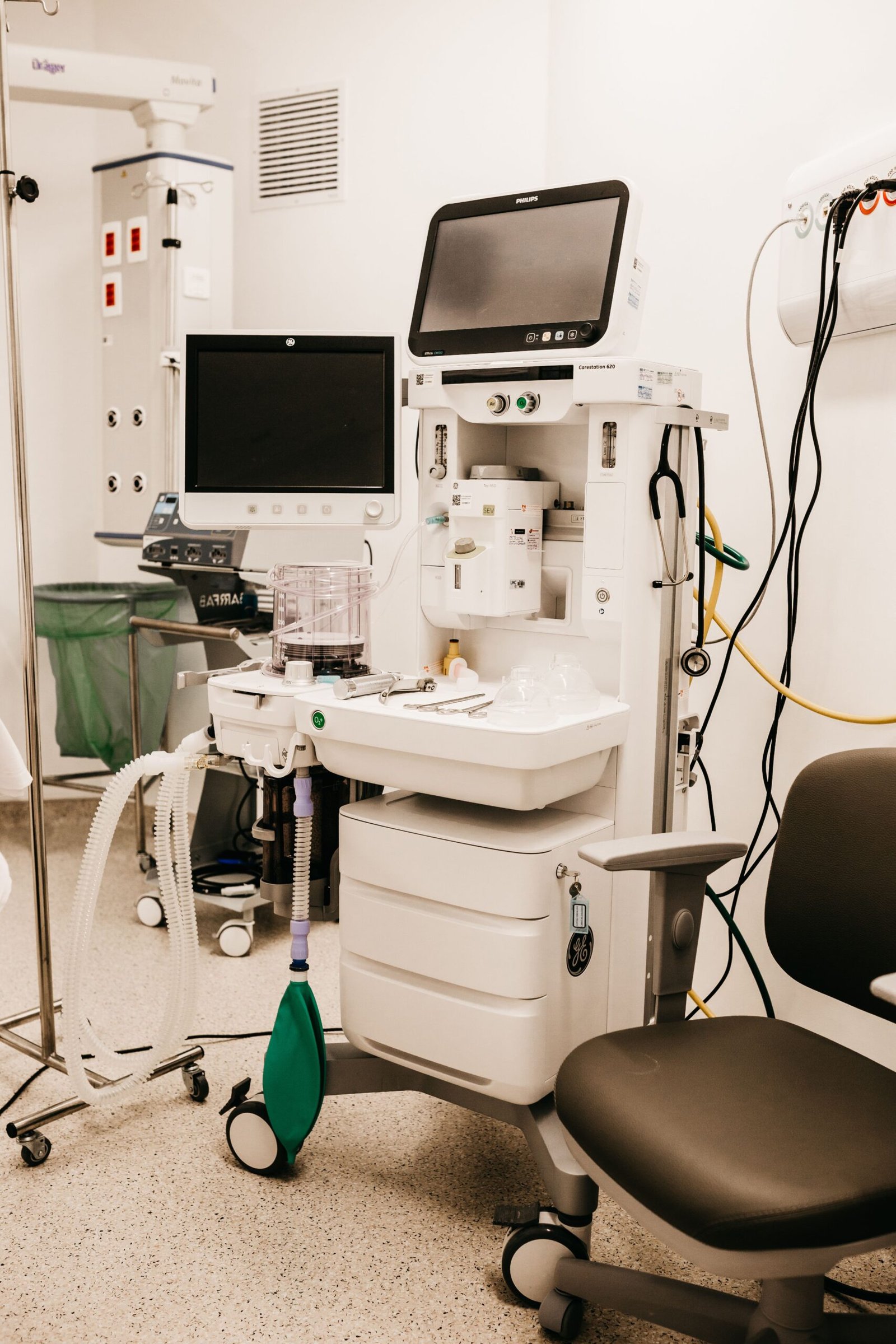
Long-Term Ventilator Care: Questions Before Choosing a Nursing Facility
A nursing home that can care for residents with oxygen, CPAP, or a tracheostomy is not automatically able to manage a resident who depends on a mechanical ventilator.
Long-term ventilator support can require specialized staff, respiratory equipment, backup systems, airway care, suctioning, emergency response, and close coordination with pulmonary or other clinicians.
Do not ask only whether the facility provides “respiratory care.” Ask whether it has reviewed and accepted the resident’s exact ventilator plan.
Keep the existing tracheostomy guide as the broader airway-care parent
Nursing Home Placement already has a separate guide, Tracheostomy Care in Nursing Homes: How to Compare Facilities.
This article is narrower. It focuses on residents who require ongoing mechanical ventilator support, whether delivered through a tracheostomy or another prescribed interface.
Identify the exact support before contacting facilities
The discharge or pulmonary team should summarize:
Ventilator make/model: ____________________
Interface: tracheostomy / mask / other prescribed interface
Hours of ventilator support: ____________________
Oxygen order, if any: ____________________
Suction equipment/order: ____________________
Humidification: ____________________
Respiratory treatments: ____________________
Pulmonary/respiratory contact: ____________________
Do not change ventilator settings to fit a facility’s routine. NHLBI advises that ventilator settings should not be changed unless directed by the treating clinician.
Ask who is available to manage the ventilator
A facility should be able to describe who carries responsibility on each shift.
Questions include:
- Are respiratory therapists available on-site, on-call, or through a contracted provider?
- Which nurses are trained for this resident’s equipment and airway needs?
- Is competent coverage available overnight, on weekends, and during staff call-outs?
- Who responds first to a ventilator alarm?
- Who can assess whether the problem is the resident, the airway, the tubing, or the equipment?
- Who contacts the respiratory provider or physician?
Do not accept a vague answer such as “all of our nurses know respiratory care” without asking about the exact device and care plan.
Confirm backup equipment and power
NHLBI’s long-term ventilator guidance highlights the importance of backup equipment, batteries, suction equipment, and a plan for power loss.
Ask the facility:
- Is a backup ventilator required for this resident, and is one available?
- How long can battery backup support the prescribed equipment?
- What generator circuits serve ventilators and related equipment?
- Is there a backup suction system?
- What happens during an extended outage?
- How is emergency equipment checked and documented?
The answers should match the resident’s respiratory plan and the equipment manufacturer’s requirements.
Understand the alarm-response process
Ventilator alarms are not background noise. They can signal a change in pressure, disconnection, obstruction, power issue, or another condition that requires rapid assessment.
Ask:
- Where can staff hear or receive alarms?
- What staffing is physically present near the resident overnight?
- What is the first-response procedure?
- When is respiratory therapy called?
- When is emergency medical help activated?
NHLBI advises caregivers using long-term ventilators to watch the ventilator closely and respond quickly to alarms.
Review airway and secretion support
Some ventilated residents also need tracheostomy care, suctioning, humidification, cough-assist equipment, or other respiratory treatments.
CMS nursing-home guidance states that residents who need respiratory care, including tracheostomy care and tracheal suctioning, must receive that care consistent with professional standards and the person-centered care plan.
For placement purposes, ask the facility to explain how it will provide each ordered respiratory service for this resident.
Families should not perform suctioning or airway procedures unless they have been specifically trained and authorized by the clinical team.
Ask about emergencies and transfers
The facility should know in advance which hospital or emergency service is used and what information travels with the resident.
Confirm:
- emergency thresholds in the respiratory plan;
- whether the resident can be transported on the current ventilator;
- what equipment accompanies the resident;
- whether staff escort is required;
- who contacts family; and
- how current ventilator settings and respiratory orders are communicated to EMS and the receiving hospital.
Sudden breathing difficulty is an emergency. Do not wait for a routine callback if the resident is in acute distress.
Verify specialist follow-up
Long-term ventilator care often includes follow-up with pulmonology, respiratory therapy, primary care, and sometimes neurology or other specialties.
Ask how the facility coordinates:
- pulmonary appointments;
- equipment-provider visits;
- respiratory-therapy reassessments;
- laboratory or imaging orders;
- tracheostomy follow-up, when applicable; and
- changes to the ventilator prescription.
Admission questions for a ventilator-capable facility
- Have you reviewed the current ventilator prescription and device?
- Is this resident clinically accepted by your respiratory program?
- What respiratory staff are present on each shift?
- Who responds to alarms overnight?
- What backup ventilator, batteries, suction, and power systems are available?
- Can you support the resident’s tracheostomy and secretion-management orders?
- What happens if the resident’s respiratory needs increase?
- What is the emergency-transfer plan?
- Who communicates with the pulmonary team?
Frequently asked questions
Is every skilled nursing facility able to take a ventilator-dependent resident?
No. Long-term ventilator capability varies. Verify the exact resident, equipment, staffing, and respiratory program before transfer.
Is a ventilator the same as CPAP or BiPAP?
No. These are different forms of respiratory support. The resident’s treating team should specify exactly what is prescribed.
Can a family member change ventilator settings if the resident looks uncomfortable?
Do not change ventilator settings unless the treating clinician has directed the responsible person to do so. Acute breathing difficulty requires appropriate clinical or emergency response.
The practical goal
A ventilator placement should be accepted only after the facility has reviewed the person, the airway, the machine, the staffing, the backup systems, and the emergency plan.
Primary sources checked
- NHLBI — Going Home on a Ventilator
- NHLBI — What Is a Ventilator?
- CMS State Operations Manual, Appendix PP — F695 Respiratory Care
- Nursing Home Placement — Tracheostomy Care in Nursing Homes: How to Compare Facilities
Editorial/source review: October 16, 2026. General education only. Ventilator settings, airway procedures, suctioning, oxygen, respiratory treatments, and emergency decisions require individualized clinician orders and verified facility capability.
Next step for families: Browse senior-care communities to compare local options, or use the Care Finder to organize the care needs and your next questions. Always verify current services, staffing, clinical capability, costs, and availability directly with the provider.