Nursing Home Infection Prevention: What to Ask and Observe on a Tour
Infection prevention is easy to overlook on a nursing-home tour because many of the most important systems operate behind the scenes.
Federal rules require certified nursing homes to maintain an infection prevention and control program and designate a qualified infection preventionist.
Families do not need to conduct an inspection. The goal is to ask practical questions about the people, routines, supplies, outbreak response, antibiotic stewardship, and resident-specific safeguards that make infection prevention work every day.
Ask who leads infection prevention
Federal rules require one or more infection preventionists who are qualified by training, education, experience, or certification and who work at least part time at the facility.
Ask who the infection preventionist is, whether that person is based on site, what training they completed, how often infection data are reviewed, and who covers the role when they are absent.
Observe hand hygiene and shared equipment
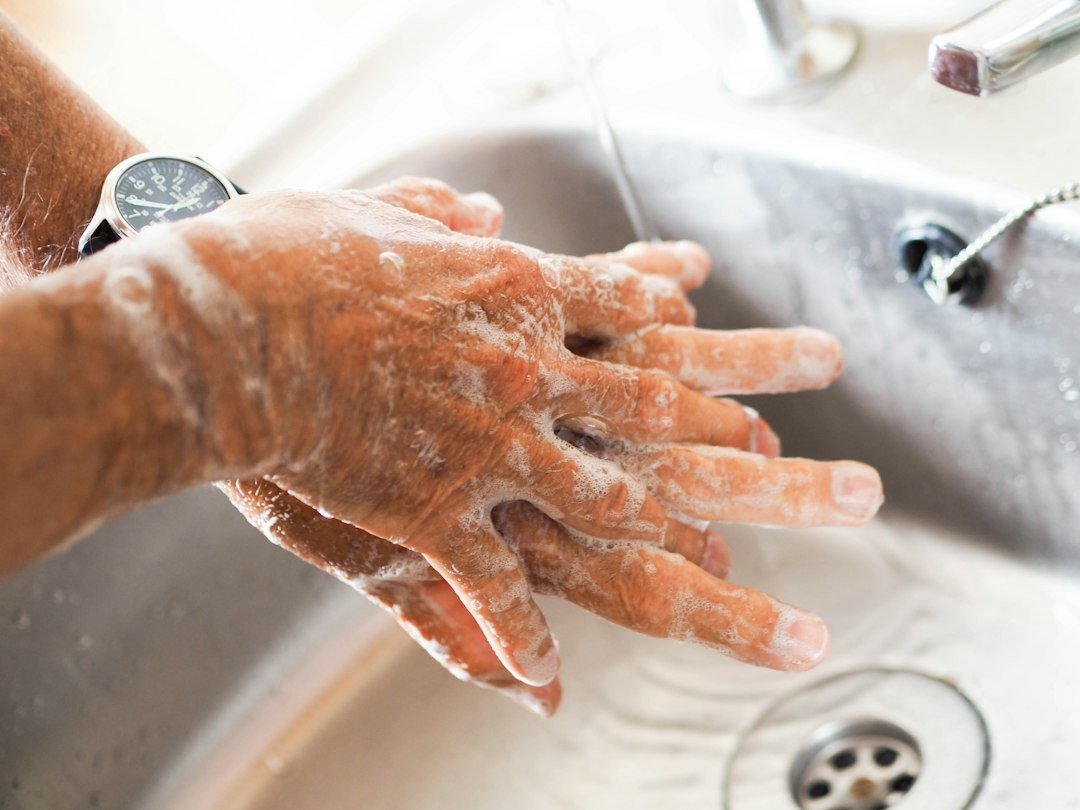
Look for hand sanitizer or sinks in appropriate care areas and notice whether supplies are accessible. A brief tour cannot prove compliance, but obvious shortages or empty dispensers deserve follow-up.
Also ask how shared mobility or care equipment is cleaned between residents and how new or temporary staff learn the facility’s infection-prevention routines.
Ask how outbreaks are communicated
Families should understand how residents and representatives are notified, what visiting changes may occur, how roommates are managed, what testing or protective measures are used, and who answers family questions.
A stronger answer explains detection, containment, communication, and how residents will still receive meals, personal care, social contact, and other needed support while precautions are in place.
Consider the resident’s specific vulnerabilities
A resident with a healing wound, urinary catheter, respiratory illness, medical equipment, or another condition that increases infection risk may need safeguards beyond the facility’s general program.
Ask the resident’s clinical team which precautions matter for that person and how those instructions are communicated across shifts. Infection control should be individualized without turning necessary precautions into unnecessary isolation.
Ask about staff illness and staffing during outbreaks
- When are symptomatic employees excluded from work?
- How does the facility respond to staffing shortages during an outbreak?
- How are temporary or agency staff trained?
- What infection-control education and monitoring are required?
Ask about antibiotics
Certified nursing homes must have an antibiotic stewardship program.
Ask how antibiotics are reviewed, how the infection preventionist works with the medical director and consultant pharmacist, how antibiotic use is tracked, and what happens when cultures, diagnoses, or the resident’s condition change.
Read infection-control citations in context
Medicare Care Compare includes inspection information, including infection-control findings. A past citation does not automatically disqualify a facility.
Ask what happened, what correction was made, whether the issue repeated, and how the facility checks that the correction remains in place.
A practical question for the tour
Try asking: “If a resident on my parent’s hallway becomes ill this weekend, who tells us what precautions change, how shared equipment is handled, and how my parent will still receive meals, personal care, and visits?”
The answer should describe a practiced system rather than promise that infections never occur.
Ten questions to ask
- Who is the infection preventionist?
- How is hand hygiene monitored?
- How is shared equipment cleaned?
- How are outbreaks communicated to residents and families?
- How are roommates and visitors handled during an outbreak?
- How does the facility protect residents with wounds, catheters, or other special risks?
- How are staff illness and call-outs handled?
- How are temporary or agency staff trained?
- How is antibiotic use reviewed?
- What recent infection-control citations occurred, and what changed afterward?
For broader tour questions about staffing, safety, daily care, costs, and resident rights, see Questions to Ask a Nursing Home: Tour Checklist for Families.
Residents with urinary catheters can have additional infection-prevention needs. See Urinary Catheters in Nursing Homes: Infection and Daily-Care Questions for the resident-specific questions to add.
Sources and review date
Sources checked October 12, 2026.