How to Create a Personal History Sheet for Memory-Care Staff
A memory-care team can provide more individualized support when staff know who the resident was before the move and what still matters now.
A useful personal history sheet is short enough to be read, specific enough to guide care, and respectful of privacy.
Start with identity, not diagnosis
Include:
- preferred name;
- pronouns;
- hometown;
- important family/relationships;
- career or roles;
- military/community history if meaningful;
- languages;
- cultural identity;
- faith/spiritual practices.
Record daily routines
Examples:
- preferred wake time;
- coffee/tea routine;
- bathing preference;
- favorite breakfast;
- nap;
- bedtime;
- music;
- TV/radio;
- walking;
- prayer;
- hobbies.
CMS dementia-care materials emphasize known hobbies, preferences, and routines as part of meaningful individualized care.
Describe communication
Write:
- best language;
- words/phrases the resident still understands;
- hearing/vision needs;
- whether yes/no questions help;
- gestures/nonverbal signals;
- how they show pain;
- how they show fear;
- what tone works best.
Add comforting cues
Examples:
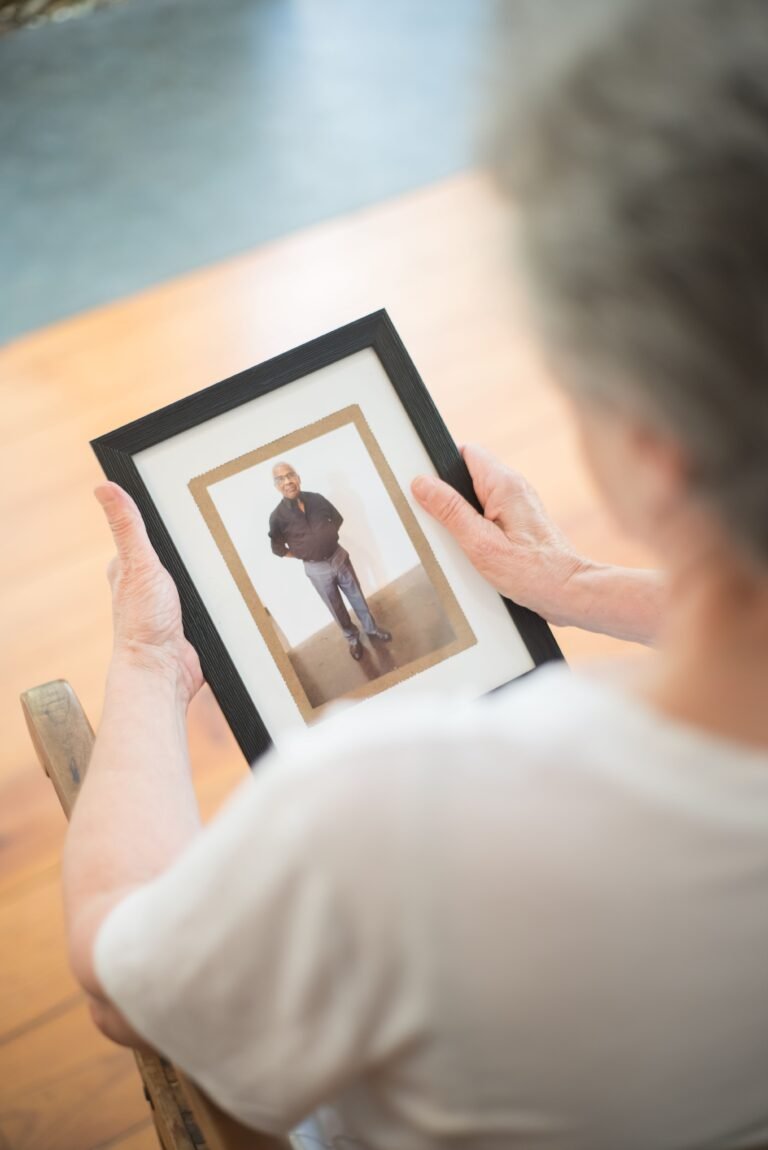
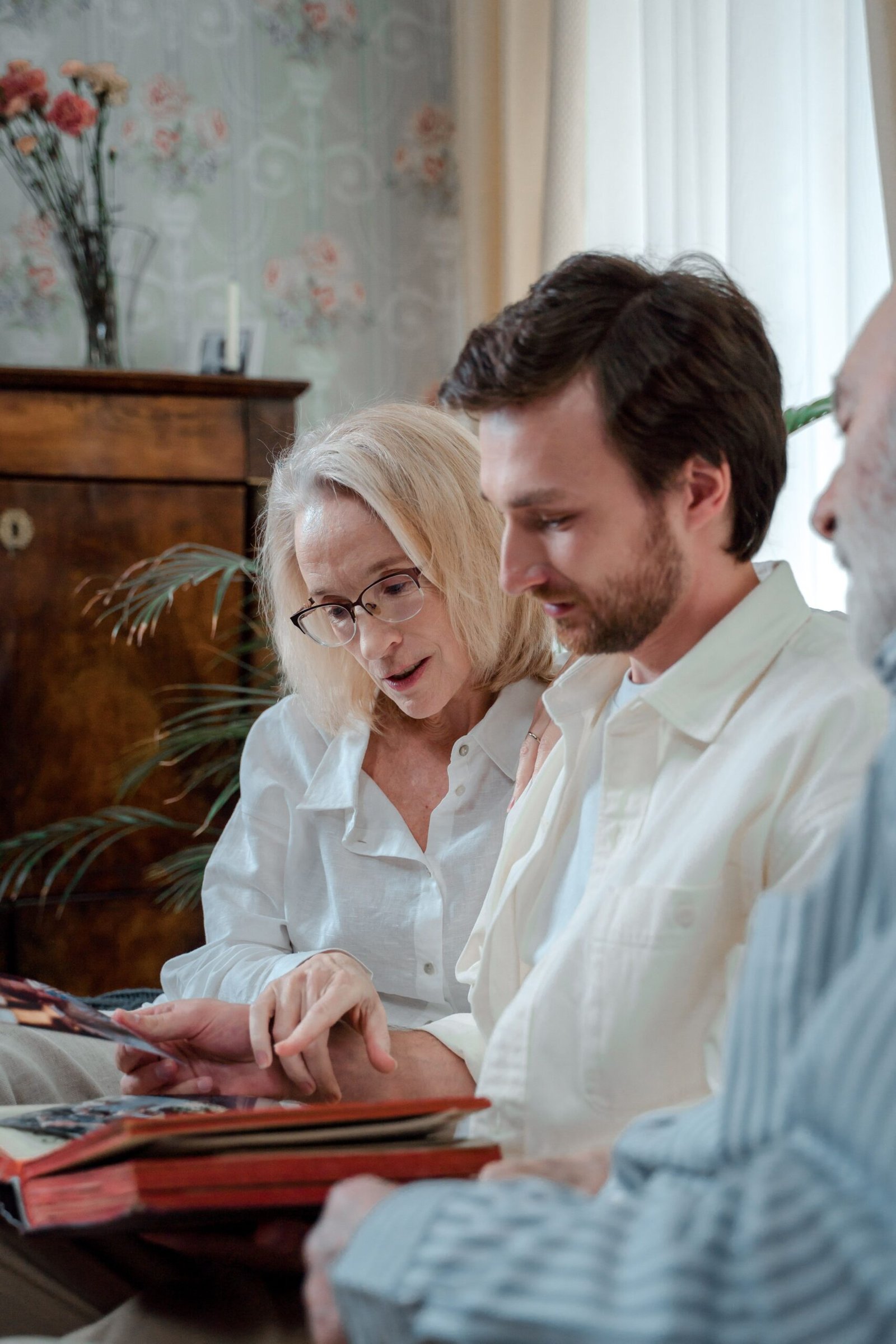
- family photo;
- specific song;
- folding towels;
- holding a familiar object;
- garden/outdoor time;
- particular snack;
- talking about a former job.
Add “please avoid” information
Keep this practical:
- disliked nickname;
- rushing;
- loud approach;
- touching from behind;
- specific topic;
- crowded rooms.
Trauma-sensitive details should be shared only to the extent needed for care and with appropriate consent/authority.
One-page history template
Preferred name: ______
Important people: ______
Former roles/work: ______
Languages: ______
Daily routines: ______
Favorite activities: ______
Comfort cues: ______
How they show pain/distress: ______
Best communication approach: ______
Please avoid: ______
Faith/cultural routines: ______
Something staff should know: ______
Frequently asked questions
Should we include every life event?
No. Include what helps current care.
What about trauma history?
Share only what is necessary, respectful, and authorized; focus on triggers and supportive approaches rather than unnecessary details.
How often should it be updated?
Whenever preferences, communication, or effective supports change.
The practical goal
A good history sheet helps a new staff member answer:
Who is this person, what matters to them, and what helps them feel understood?
Related NHP guides
- Meaningful Activities in Memory Care: How to Judge the Daily Program
- How to Evaluate a Memory-Care Room for Comfort and Safety
Primary sources checked
*Editorial/source review: October 15, 2026. General education only. Dementia symptoms, behavioral changes, medication decisions, safety needs, and residential-care fit require individualized clinical assessment and current facility capability verification.*