Can Couples Live Together in Memory Care?
Can Couples Live Together in Memory Care?
Short answer: Sometimes. A memory-care community may be able to house married partners together, but a shared room in a secured dementia-care unit is not a standard option everywhere. First ask whether each person is eligible for that specific unit, wants the arrangement, and can be supported safely. If only one spouse needs memory care, living together inside the unit may not be appropriate or offered; separate rooms, adjacent care levels or nearby communities can sometimes preserve the relationship better.
The most useful question is not simply, “Do you accept couples?” It is: “What exact living arrangement can you provide for these two people, who will meet each person’s care needs, and what happens if either person’s needs change?”
Three arrangements that sound similar but work differently
“Staying together” may mean sharing an actual bedroom, living in separate rooms within one community, or living in different levels of care on the same campus. Ask to see the precise available option, not a model unit that cannot be offered.
| Possible arrangement | What it may preserve | What needs verification |
|---|---|---|
| One shared room within memory care | Daily companionship and familiar routines | Admission eligibility for both residents, both people’s preferences, space, safety, staff support and the full two-person price |
| Separate rooms in the same community | Frequent meals and visits with individualized care | Room location, visiting access, overnight arrangements, transportation and privacy |
| Different units on one campus | Proximity without requiring the healthier partner to live in a secured unit | Whether visits across unit boundaries are realistically workable, how often and with what supervision |
| Two nearby communities | Appropriate care for both while maintaining planned contact | Travel assistance, regular visiting routine, costs and a backup plan for illness or mobility changes |
A campus described as a “continuum of care” does not guarantee admission to another level, a shared room, an immediately available bed or a future transfer. The Administration for Community Living explains continuing care retirement communities as settings with several possible care levels and varying contracts. Ask the operator for the actual rules and available accommodations.
What if only one spouse has dementia?
Ask the memory-care director whether the partner who does not need memory care could be admitted to the same secured unit and, if so, why the arrangement would be a good fit for that person. Some programs may not accept a resident who does not meet their own admission criteria. Do not assume a shared apartment in general assisted living is equivalent to a shared room inside a memory-care unit.
Consider both people separately: Does the partner without dementia want to leave the unit independently? Will entry and exit procedures affect their routines or social connections? Could the person with dementia become distressed when the spouse leaves? Could sharing a room disrupt either person’s sleep, dignity or privacy? What support is offered when the partner is away, sick or unable to help?
Living together should not mean that a spouse becomes an unpaid substitute for adequately staffed care. Ask staff to identify who will provide toileting, transfers, medications, nighttime supervision and response to distress for each resident. Where the healthier partner does continue providing some voluntary help, ask which tasks the staff—not the partner—are responsible for.
If shared accommodation is not suitable, explore the practical alternatives in our assisted living for couples with different care needs guide and keeping two family members close during a care search.
Resident rights: distinguish a certified nursing home from assisted-living memory care
Memory care describes a service model, not one uniform federal facility license. It may operate within an assisted-living setting or within a Medicare- or Medicaid-certified nursing facility. Ask the exact license and regulatory status of the unit you are considering.
For residents of federally regulated nursing facilities, 42 CFR § 483.10(e)(4) provides a right to share a room with a spouse when both married residents live in the same facility and both consent. Subsection (e)(5) also addresses a roommate of choice when practicable and both residents consent. These provisions do not require a facility to admit an otherwise ineligible applicant, guarantee an available shared room, or automatically require accommodation in the same specialized secured unit.
For memory-care programs licensed primarily as assisted living, state regulations and the provider’s admission agreement determine the applicable framework. Ask for the specific state licensing rules and written room-sharing policy. This guide is not legal advice about an individual couple’s rights or admission dispute.
Ask two separate care-assessment questions before agreeing
The community should explain what it can provide to each partner independently. Start with two short care profiles, not one combined couple profile.
- For each person: document mobility, transfers, bathing, dressing, toileting, meals, medication management, overnight assistance and any skilled medical needs.
- For the person with dementia: describe communication, wandering or exit-seeking risks, sleep disruption, distress triggers, preferences, meaningful activities and how staff respond.
- For the partner: ask what daily independence, social life, privacy and caregiving boundaries they want to keep.
- For the relationship: ask both people, as much as they can express their wishes, whether they prefer sharing a room, regular visits, shared meals or a different arrangement.
The Alzheimer’s Association’s relationship guidance recommends acknowledging changing roles and considering the wishes and goals of the person with dementia. Do not assume that a diagnosis erases an individual’s preferences or that another relative should decide every aspect of the living arrangement.
A sudden or significant change in confusion, alertness, behavior or physical function warrants appropriate clinical evaluation; do not automatically attribute it to dementia or make a housing decision based solely on an acute episode.
Questions to ask on a memory-care couples tour
- Can both people be admitted? What are the eligibility criteria for each, and are both accepted specifically for the proposed unit?
- Are you offering a shared room now? Request the actual room location and measurements rather than an illustrated floor plan.
- What happens when one partner leaves? Explain how doors, visitor access, outings, departures and reunions work in a secured setting.
- What is the daily staffing plan? Who helps each person at night, during bathing, with medications and if the other spouse cannot assist?
- How are separate preferences honored? Can each have private time, individual activities, different bedtimes and separate visitors if desired?
- What would cause a unit change? Ask about reassessment, higher-acuity nursing needs, behavior changes, falls, wandering, hospital discharge and what happens to the other partner.
- How does the community support the relationship? Ask whether staff can facilitate meals, visits, phone/video contact and meaningful time together after a room or unit change.
- What is the full two-person cost? Get an itemized estimate and policy for price changes, transfers, discharge or death.
Before deciding, tour the actual space against the questions in our memory-care room comfort and safety guide. Ask staff to describe what they have done for other couples while respecting those residents’ privacy; do not seek identifiable resident details.
Compare the complete cost, not just the advertised room price
There is no universal “couples rate” or guarantee that one shared room will be cheaper. Request a written estimate covering housing or accommodation, care for each resident, memory-care program fees, medication services, additional staffing or equipment, deposits, and how billing changes if one spouse moves or dies.
| Cost item | Ask the community to confirm |
|---|---|
| Accommodation | Is the price per person, per room or per apartment? Does it change for separate rooms? |
| Individual care charges | What support is assessed and billed for each spouse? Are reassessments chargeable? |
| Secured-unit or memory-care fees | Does each resident pay a program fee, and is the non-dementia partner eligible? |
| One partner moves, is hospitalized or dies | What happens to the room, remaining partner’s eligibility, rate, deposit and notice period? |
| Payment arrangements | Which coverage, if any, applies to each person’s services? What is private pay? |
Medicare generally does not pay for long-term custodial residence merely because the setting is memory care. Eligibility for any skilled service or public benefit is separate and must be verified for each person. Do not assume a shared-room offer determines Medicaid eligibility or benefits.
A practical decision framework for two spouses
Write down three viable arrangements—shared room, same-campus separate units, and nearby alternatives. Evaluate each against four tests: care fit, each person’s autonomy, practical togetherness, and total ongoing cost. Give particular weight to what would happen after an unexpected hospital stay or increased care needs. An attractive room with no credible transition plan is not enough.
If a provider says both can stay together indefinitely, ask for the admission, continued-residency, transfer and discharge criteria in writing. Ask how reassessment and family communication work. A carefully planned separate-unit arrangement may be kinder and safer than insisting on the same secured room; for another couple, a shared room may be appropriate. There is no one correct answer for every relationship.
Frequently asked questions
Can a spouse without dementia live in a locked or secured memory-care unit?
That depends on the program’s license, admission criteria, safety practices and the individual’s needs. Ask how the person would enter and leave, retain independence, receive suitable activities and decline the arrangement.
Can a married couple share a room in a nursing home?
Federal resident-rights rules include a conditional spousal room-sharing protection for married residents already living in the same regulated nursing facility when both consent. This is not a universal promise of admission or a particular available room. Confirm the facility type and facts.
Can they stay on the same campus if one needs a higher level of care?
Possibly. Some campuses contain multiple care levels, but separate admission criteria, space, contracts and payment rules may apply. Ask whether visits between units are realistically manageable every week.
Should a couple move together if one partner’s dementia is progressing?
Consider each person’s needs, wishes, care safety and likely future transitions. Discuss clinical needs with qualified professionals; ask the community how its staff—not the spouse alone—will meet increasing needs.
Next steps and related resources
Use NHP’s memory-care overview to clarify the service model, then compare the couple’s realistic options using our community directory or Care Finder. Confirm licensure, actual vacancy, admissions, charges and care capabilities with each operator; an online listing is not proof of an available room.
Authoritative references: eCFR 42 CFR § 483.10 resident rights; ACL continuing care communities; Alzheimer’s Association relationship changes; Medicare nursing-home overview.
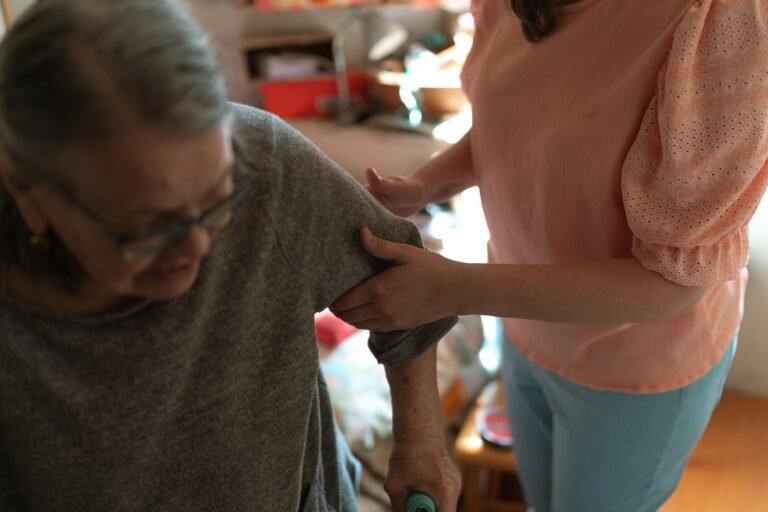
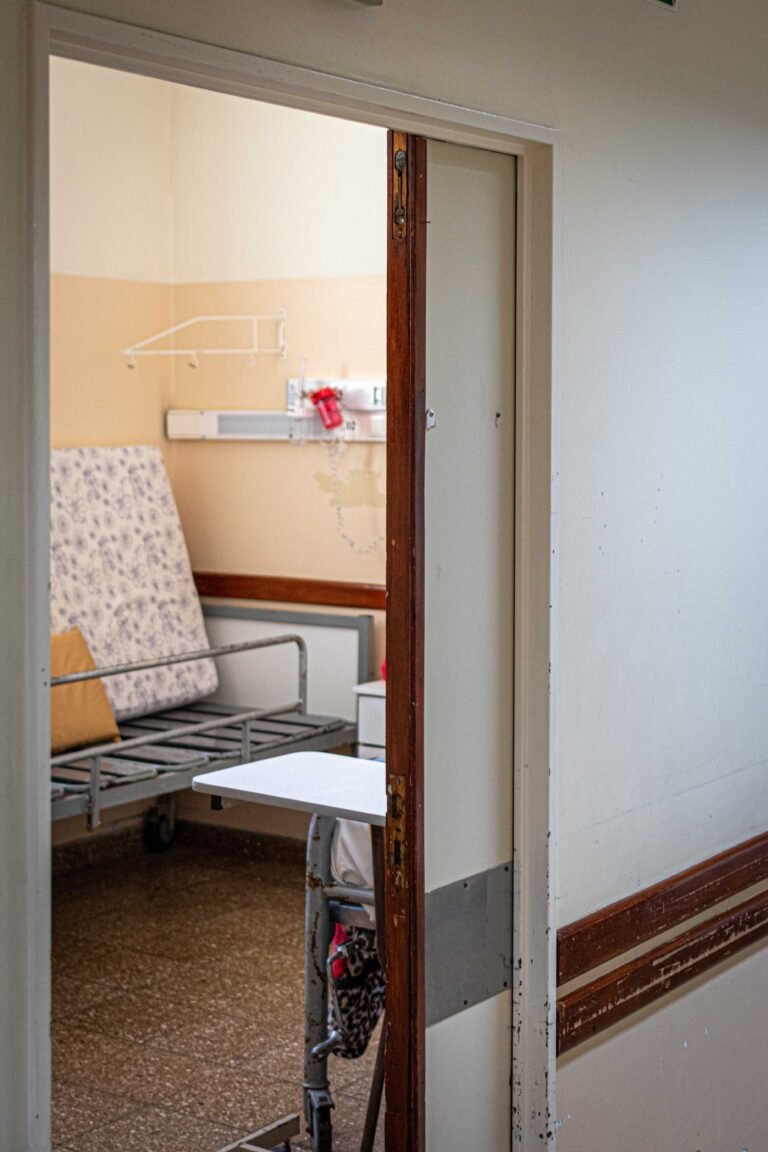
Editorial source review: November 7, 2026. This U.S. family decision guide is educational, not a substitute for state-specific legal, benefits or clinical guidance. The featured photograph is illustrative stock photography, not a verified photo of a memory-care community or residents.