Hospital Transfers From Memory Care: What Families Should Know
Prepare for hospital transfers from memory care with a plan for medications, baseline cognition, communication needs, emergency contacts, return criteria, and follow-up.

Helpful guides for families comparing nursing homes, assisted living, memory care, rehab, retirement communities, and skilled nursing options.
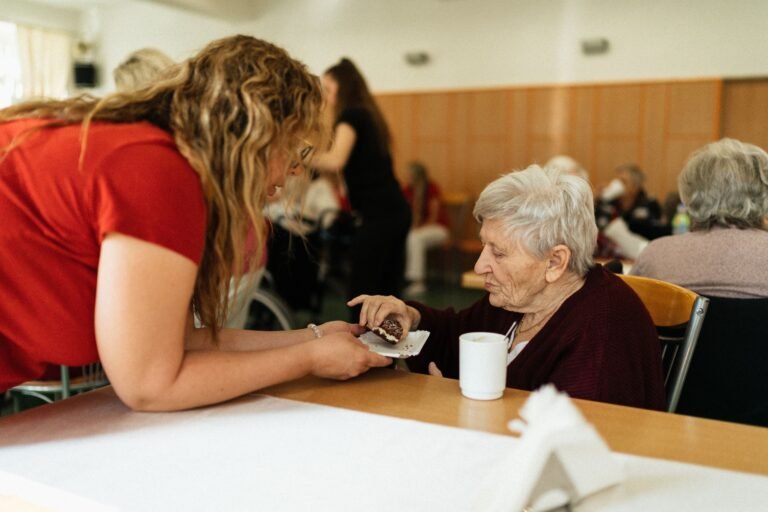
Prepare for hospital transfers from memory care with a plan for medications, baseline cognition, communication needs, emergency contacts, return criteria, and follow-up.

When a memory care resident refuses medication, ask how staff document refusals, assess causes, contact the prescriber, involve the resident, and update the care plan.
Learn what families can ask about recognizing pain in dementia when a memory care resident cannot clearly describe symptoms, triggers, location, or severity.
There is no standard short-term rehab stay. Learn what affects length of stay, how Medicare coverage differs from clinical need, and what families should ask before discharge.
When a person with dementia has hallucinations, document what happened, report sudden changes, review triggers and medications, and ask how memory care responds safely.
Families can usually participate in choosing a skilled nursing facility after hospitalization. Learn how to compare availability, Medicare certification, network status, quality, distance, and clinical fit.

Compare assisted living for someone with an ostomy by asking about self-care ability, staff help, supplies, skin concerns, outside nursing, and reassessment.
Medicare may cover short-term skilled nursing after a hospital stay when specific requirements are met. Learn how inpatient status, daily skilled need, timing, certification and benefit periods affect coverage.
Learn how Original Medicare cost-sharing changes after day 20 of a covered skilled nursing facility stay and why 100 days is a limit, not a guaranteed stay.
Before choosing assisted living with a urinary catheter, confirm who manages catheter care, supplies, monitoring, clinician orders, emergencies, and outside nursing.