Epilepsy in Assisted Living or Nursing Care: Questions About a Seizure Plan
Seizures vary widely. A good residential plan tells staff what this resident’s seizures look like, what to do, what not to do, and when emergency help is required.

Helpful guides for families comparing nursing homes, assisted living, memory care, rehab, retirement communities, and skilled nursing options.

Seizures vary widely. A good residential plan tells staff what this resident’s seizures look like, what to do, what not to do, and when emergency help is required.
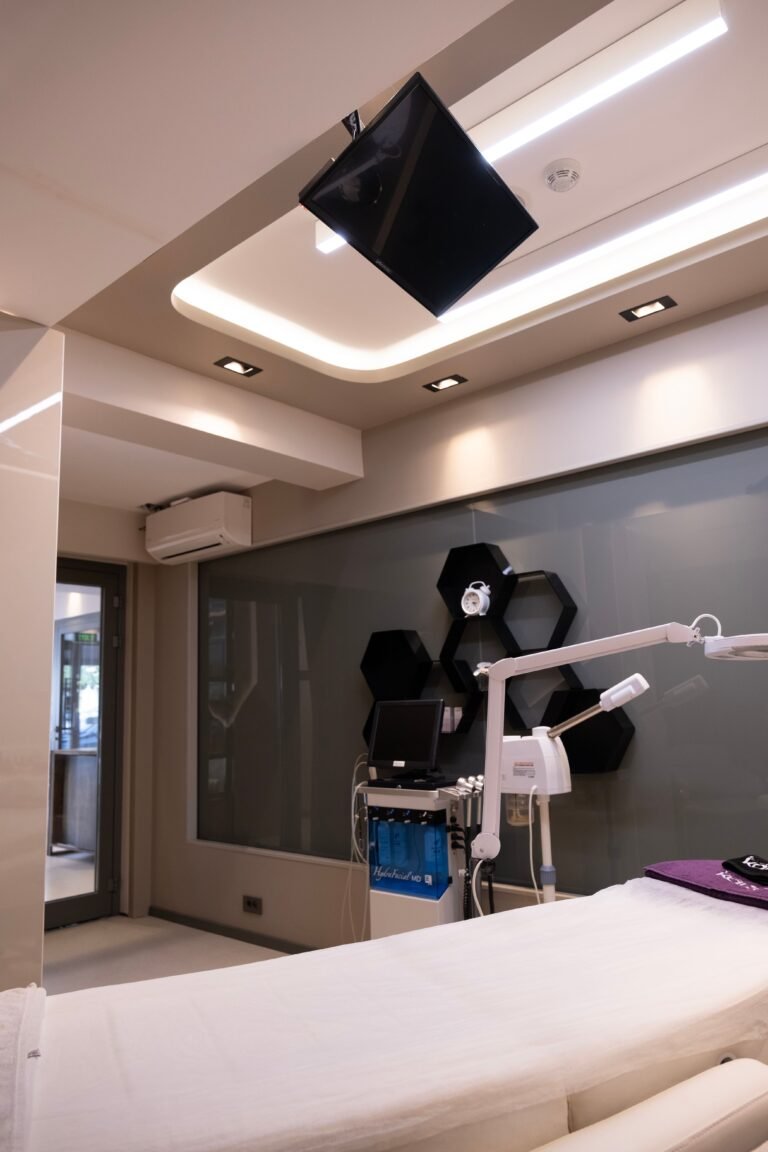
Spinal cord injury can involve much more than wheelchair access. Use this nursing-home checklist to assess daily clinical and functional capability.
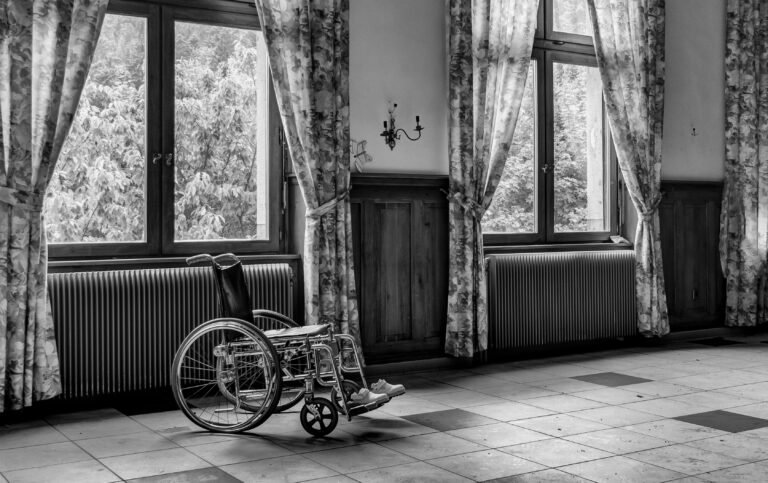
A prosthesis is only one part of daily function after amputation. Use this checklist to verify whether the next care setting works safely with and without the prosthesis.
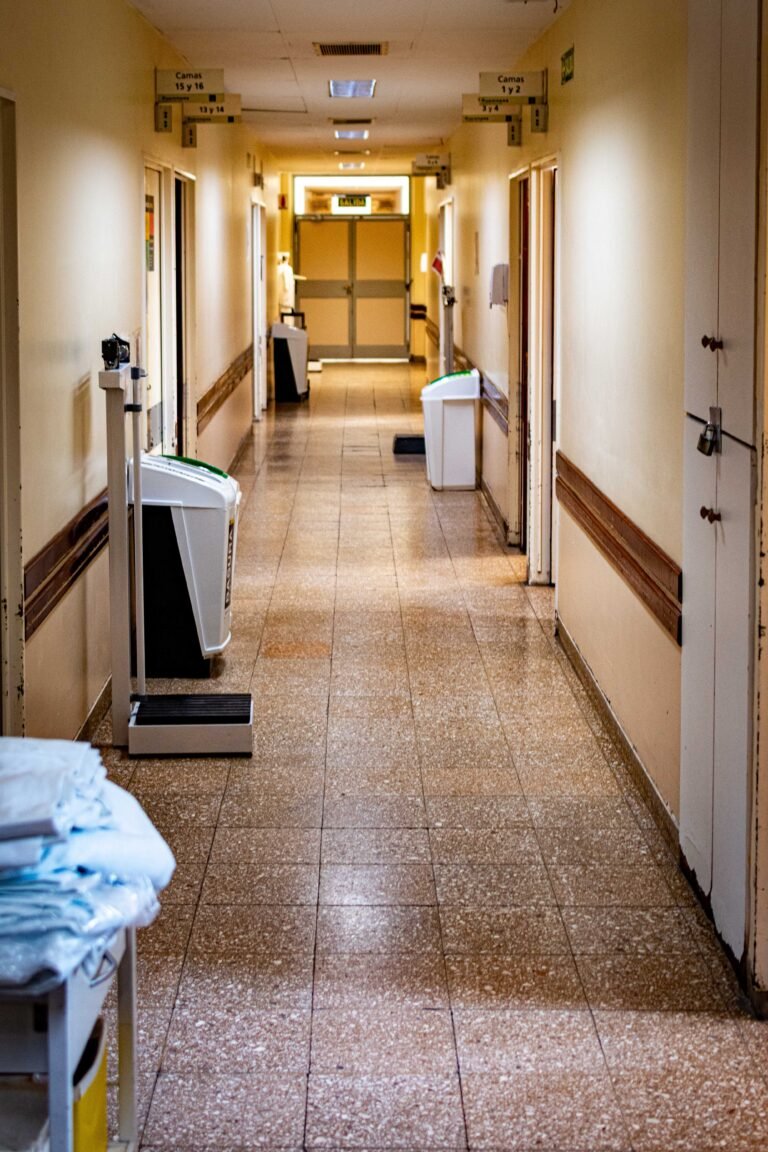
ALS may progressively affect walking, speaking, swallowing, and breathing. Use this placement checklist to evaluate whether a setting can keep pace with changing support needs.
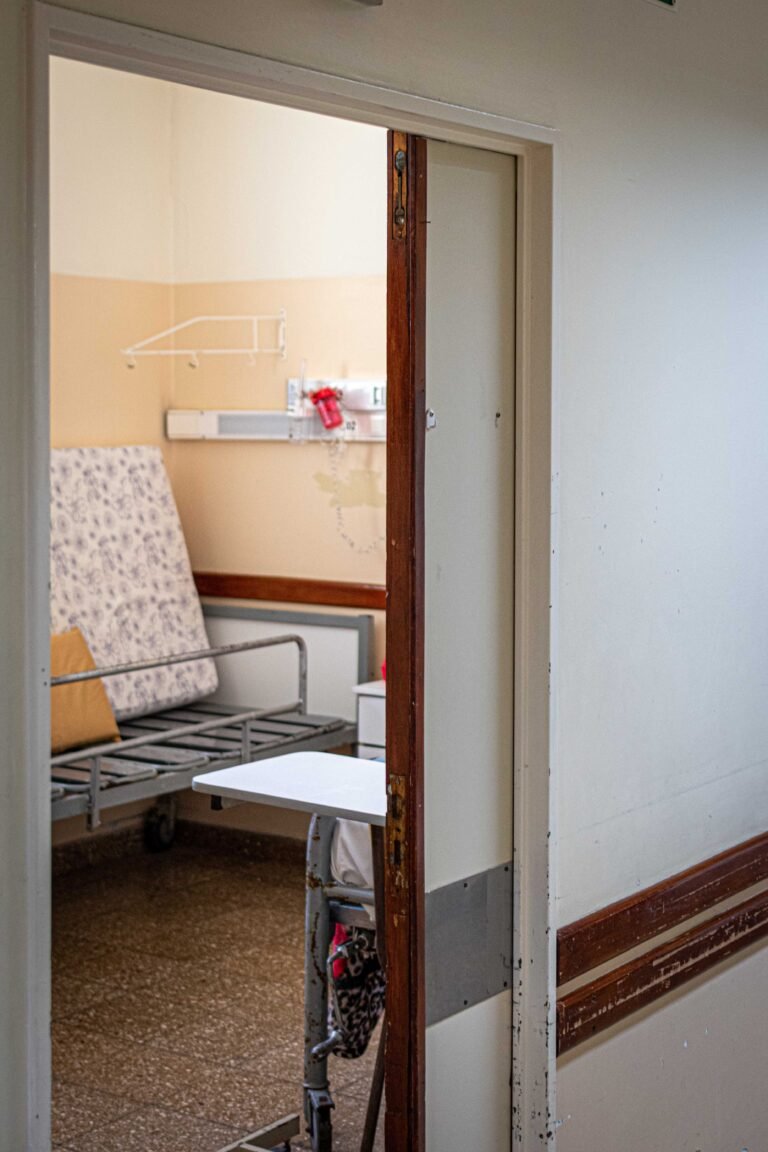
MS can affect strength, balance, vision, sensation, cognition, and endurance in different combinations. Use this placement checklist to compare actual support needs rather than the diagnosis alone.

A memory-care community may tell a family that a resident now needs “one-to-one supervision.”

Memory-care communication needs can change substantially over time.

A behavior log can be useful—or useless.

A hospital stay can disrupt sleep, mobility, medication routines, eating, toileting, and orientation.

A person with dementia may react strongly to a tone of voice, touch, room setup, uniform, gender, closed door, loud sound, or care task because it connects to a past traumatic experience.