Hospital Transfers From Memory Care: What Families Should Know
A trip from memory care to the emergency department can be especially disorienting for a person with dementia. Families can reduce gaps by making sure the hospital receives the resident’s baseline information and the memory-care team receives the discharge plan.
Keep a concise transfer profile current
Useful information can include the resident’s preferred name, baseline cognition and communication, current medications, allergies, mobility needs, advance-directive information, emergency contacts and effective calming approaches.
The facility and authorized representative should follow applicable privacy rules when sharing health information.
Tell the hospital what is normal for the resident
A hospital team needs to know whether confusion, limited speech, wandering, sleep changes or other behaviors are baseline or new. “She has dementia” is not enough detail.
Bring hearing, vision and communication supports
Glasses, hearing aids, communication boards or a familiar support person may make assessment easier when appropriate.
Plan the return before discharge
Ask whether the memory-care community needs a new assessment, updated orders, medication list, negative test, equipment or other documentation before accepting the resident back.
Reconcile medication changes
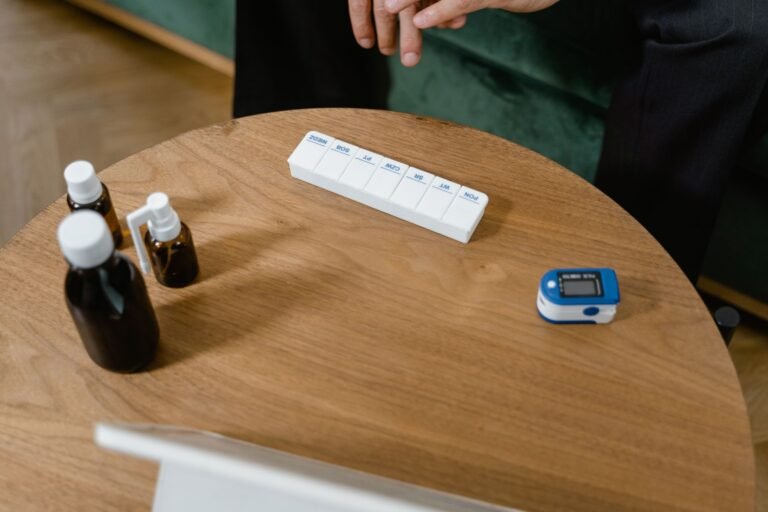
Confirm that discharge medication changes reached the community and pharmacy. Do not assume a paper packet in the resident’s bag automatically updates the medication-administration record.
Ask about new care needs
A hospital stay can change mobility, eating, toileting, sleep or supervision needs. Ask whether the community can meet the new level of support and whether a service-plan update is required.
Questions after the resident returns
- Did staff receive the discharge summary?
- Were medications reconciled?
- Are follow-up appointments scheduled?
- Did mobility or diet change?
- Is the resident more confused than baseline?
- Does the care plan need reassessment?
Reviewed October 24, 2026. General education only. Follow the treating team’s discharge instructions and seek prompt clinical care for concerning changes.
Browse memory-care options or use the Care Finder.
Hospital planning resource
The National Institute on Aging’s guide to taking a person with Alzheimer’s disease to the hospital recommends bringing medication and medical information and explaining the person’s usual communication and behavior. Those details can also help the memory-care team prepare for a safer return.