Assisted Living Emergency Evacuation Plans: Questions Before Move-In
An attractive assisted-living apartment tells you almost nothing about how a community handles a long power outage, wildfire, flood, hurricane, tornado, winter storm or building emergency.
Emergency planning is worth discussing before move-in—especially when a resident depends on mobility assistance, refrigerated medication, oxygen, powered equipment or memory support.
Ask what hazards the community plans for
Emergency plans should reflect local risks. Ask which events are included in the community’s current plan and when it was last reviewed or exercised.
Examples can include severe weather, fire, extended power loss, water interruption, evacuation, shelter-in-place events and infectious-disease disruptions.
Ask about backup power specifically
“We have a generator” is not enough detail. Ask:
- Which systems are powered?
- Does backup power cover resident rooms, elevators, emergency lighting, medication refrigeration or oxygen-related equipment?
- How long can the system operate under the community’s plan?
- What happens if fuel or utility restoration is delayed?
Do not assume every outlet or appliance remains powered.
How will residents with mobility needs evacuate?
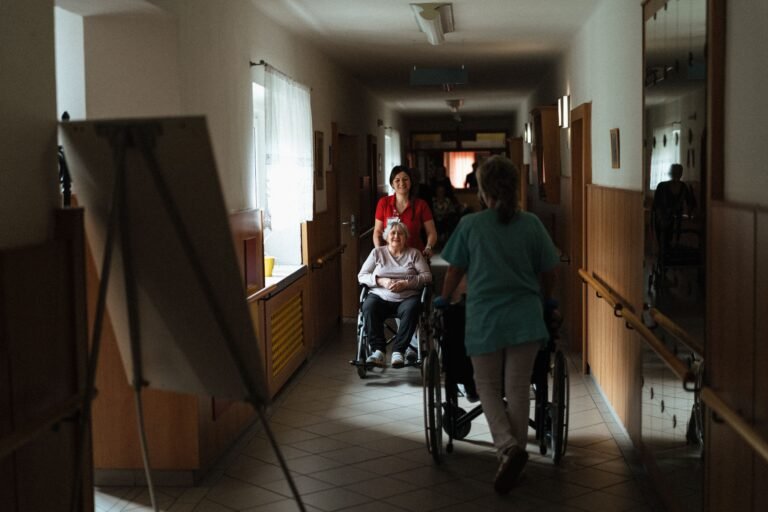
Ask how staff assist residents who use wheelchairs, walkers, lifts or two-person transfers. If elevators are unavailable, ask what the planned route and staffing approach are.
For residents with dementia, ask how elopement risk, distress, identification and supervision are addressed during a disruptive event.
What happens to medications and equipment?
Ask how the community protects medication records, refrigerated medications, oxygen supplies, CPAP equipment and other essential devices during shelter-in-place or evacuation.
Families should not independently stockpile prescription medication in violation of the resident’s medication plan. Instead, ask how emergency supplies are managed by the provider and pharmacy.
Ask where residents go if the building must close
Does the community have agreements or planned destinations? How are transport, records, medications, mobility equipment and personal identification moved with the resident?
A plan may change during a real emergency, but families should understand the framework.
How will families receive information?
Ask which communication methods are used—phone, text, email, website, automated calls or another system—and how to update the family contact list.
Also ask where reunification information will be posted if residents are moved.
Build a family-side preparedness plan
Families can help by keeping current:
- emergency contacts;
- insurance information;
- list of medications and allergies;
- mobility and communication needs;
- backup contacts if the primary family member cannot be reached;
- copies of important legal/health documents where appropriate.
Do not rely on one family member’s phone as the only copy.
Questions for the tour
- What emergencies are included in your written plan?
- When was the last drill or exercise?
- Which systems have backup power?
- How are residents who cannot use stairs moved?
- How are dementia residents supervised during evacuation?
- How are medications and essential equipment transported?
- How are families notified?
- Where might residents be relocated?
- Who coordinates reunification?
Authoritative resource
Reviewed October 24, 2026. Emergency requirements vary by jurisdiction and provider. Verify the community’s current written plan and any state-specific rules.
Compare local senior-care communities or use the Care Finder.