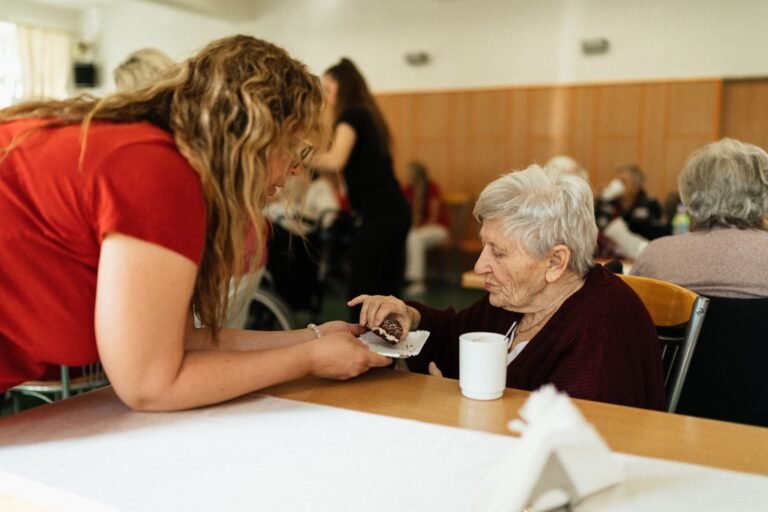
What Happens When a Nursing-Home Resident Declines Care?
A chart entry that says “resident refused” may describe the event accurately, but it does not always explain what should happen next.
A resident might decline a shower because the room is cold. They might decline therapy because pain is worse that morning. They might say no to medication because they do not recognize the pill. They might simply understand the choice and decide they do not want the proposed care.
Federal nursing-home resident-rights rules recognize the right to request, refuse, or discontinue treatment. Person-centered care planning must also account for services that are not provided because the resident exercises those rights.
The next step is therefore not automatic coercion. It is to understand the decision and respond appropriately.
Start with the resident’s own explanation
When possible, ask the resident calmly:
- What made you say no?
- Is something painful or uncomfortable?
- Did you understand what was being offered?
- Would another time, person, or setting feel better?
- Is there something you want done differently?
The resident’s answer can change the entire care response.
A refusal may reflect preference, fear, pain, trauma history, embarrassment, communication difficulty, fatigue, confusion, side effects, cultural values, or another concern.
Do not assume “refusal” means lack of capacity
Adults do not lose all decision-making rights simply because they live in a nursing home or have a diagnosis such as dementia.
At the same time, the ability to understand and make a particular decision can be affected by acute illness, delirium, communication barriers, or other factors. Legal authority for representatives and decision-making standards also vary by state and individual circumstances.
Families should not make their own legal determination of capacity from a disagreement.
If the resident’s understanding or decision-making ability is genuinely in question, ask the responsible clinician and care team what assessment and legal/representative process applies.
Make sure the resident can understand the offer
A resident cannot make a meaningful choice if the explanation is inaccessible.
Ask whether staff accounted for:
- hearing loss;
- low vision;
- aphasia or other communication disability;
- limited English proficiency;
- cognitive impairment;
- anxiety or trauma triggers;
- fatigue; and
- timing of pain or medication effects.
Federal resident-rights rules require information about treatment in language the resident can understand and support the resident’s participation in care.
Ask what alternative was offered
Sometimes the resident is declining how the care is offered, not the underlying goal.
Examples:
- shower later rather than early morning;
- different bathing method when clinically appropriate;
- therapy at a different time;
- a quieter location;
- another caregiver when feasible;
- a different communication approach;
- taking time for the clinician to explain the purpose of a treatment; or
- revisiting a preferred activity rather than forcing participation.
Not every requested alternative is safe, clinically appropriate, or available. The useful question is whether the team explored reasonable person-centered options.
Some refusals require prompt clinical follow-up
A declined activity is different from declining a time-sensitive medication or refusing evaluation during an acute health change.
Ask:
- What care was declined?
- What is the clinical risk of delaying or not receiving it?
- Was the responsible nurse or clinician notified?
- Does the resident need another explanation of risks, benefits, or alternatives?
- Is there a less burdensome clinically appropriate option?
- When will staff try again or revisit the decision, if appropriate?
Families should not respond by changing doses, hiding medication in food, altering prescribed diets, or performing an unassessed transfer or treatment themselves.
Document the refusal in the care process, not just the chart
Federal care-planning rules specifically recognize that a comprehensive care plan may describe services that would otherwise be required but are not provided because the resident exercises the right to refuse treatment.
For repeated or consequential refusals, ask how the team is documenting:
- the resident’s expressed choice;
- the reason, if known;
- education or discussion provided;
- alternatives offered;
- clinical notifications;
- follow-up plan; and
- any needed care-plan revision.
The goal is not to build a case against the resident. It is to create a plan that staff can follow consistently.
Avoid coercion and convenience-based restraints
Federal rules protect residents from abuse and from physical or chemical restraints used for discipline or staff convenience when they are not required to treat a medical symptom.
A difficult care interaction is not permission to intimidate, punish, restrain, or sedate a resident simply to make care easier.
If care cannot be provided safely because the resident is distressed or resisting, ask the clinical team to reassess the situation and the care approach.
Look for a change from the resident’s usual behavior
A resident who has always accepted care and suddenly refuses several important services may be experiencing a meaningful health or behavioral change.
Report patterns such as:
- new confusion;
- unusual sleepiness;
- new pain;
- new fearfulness;
- sudden aggression;
- reduced eating/drinking;
- new weakness; or
- medication/treatment changes.
These observations should prompt appropriate clinical evaluation rather than a blanket label of “noncompliant.”
A practical follow-up note
Care declined: ____________________
Resident’s stated reason: ____________________
Communication barrier considered: ____________________
Alternative offered: ____________________
Clinical risk/urgency reviewed by: ____________________
Clinician/representative notified if applicable: ____________________
Next step: ____________________
Care-plan review needed: Yes / No / To determine
Frequently asked questions
Can a nursing-home resident refuse medication?
Residents have important treatment-refusal rights, but the clinical consequences depend on the medication and condition. The care team should explain risks, benefits, and alternatives as appropriate. Families should not change or override the medication regimen themselves.
What if a resident with dementia refuses care?
Dementia does not produce one automatic answer. Ask whether communication, pain, timing, environment, trauma triggers, or an acute change may be contributing and what decision-making/representative process applies to that specific resident under applicable law.
Can staff force a shower because hygiene is in the care plan?
A care plan does not erase resident rights. Staff still need a person-centered, safe approach. Repeated refusal may require reassessment and alternatives rather than coercion.
The practical goal
After a resident declines care, the record should not end with one word: refused.
A useful care response answers:
What did the resident choose? Why? What did they understand? What alternatives were considered? What clinical risk exists? Who will follow up?
Primary sources checked
- eCFR — 42 CFR § 483.10, Resident Rights
- eCFR — 42 CFR § 483.20, Resident Assessment
- eCFR — 42 CFR § 483.21, Comprehensive Person-Centered Care Planning
- eCFR — 42 CFR § 483.12, Freedom From Abuse, Neglect, and Exploitation
Editorial/source review: October 16, 2026. General U.S. education only. Decision-making authority, representative powers, emergency treatment rules, and capacity standards vary by state and individual circumstances; obtain appropriate clinical or legal guidance for a specific case.
Next step for families: Browse senior-care communities to compare local options, or use the Care Finder to organize the care needs and your next questions. Always verify current services, staffing, clinical capability, costs, and availability directly with the provider.