How to Request a Care-Plan Update After a New Diagnosis
A new diagnosis can arrive in a specialist note, hospital discharge summary, emergency-department report, laboratory workup, or nursing-home clinician visit.
The diagnosis name belongs in the record—but that is not the endpoint.
The practical question is:
What does this diagnosis change about the resident’s day-to-day care?
Federal nursing-home rules require comprehensive person-centered care planning based on assessment findings, with the care plan reviewed and revised after assessments. Significant changes can also trigger reassessment requirements.
Start with the source document
Before asking staff to change the care plan, confirm what the treating clinician actually recommended.
Collect or verify:
- diagnosis;
- date;
- treating clinician;
- medication changes;
- monitoring instructions;
- therapy recommendations;
- equipment needs;
- diet/swallowing instructions if applicable;
- follow-up appointments or tests;
- warning signs or escalation instructions; and
- anything still uncertain.
Do not turn a family interpretation of an online diagnosis page into an order. The nursing-home team needs the actual clinician recommendations and current resident assessment.
Ask whether the diagnosis changes the resident’s assessed needs
A diagnosis can affect residents very differently.
Ask:
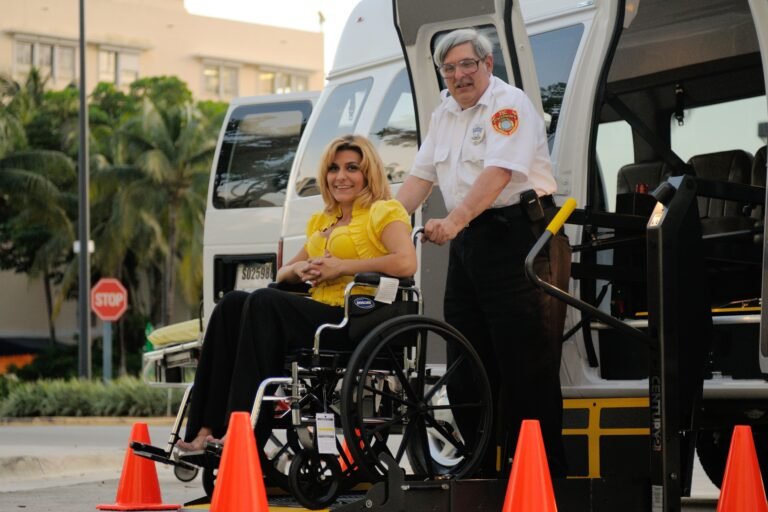
- Does this change mobility or transfer needs?
- Does it affect communication or cognition?
- Is new monitoring required?
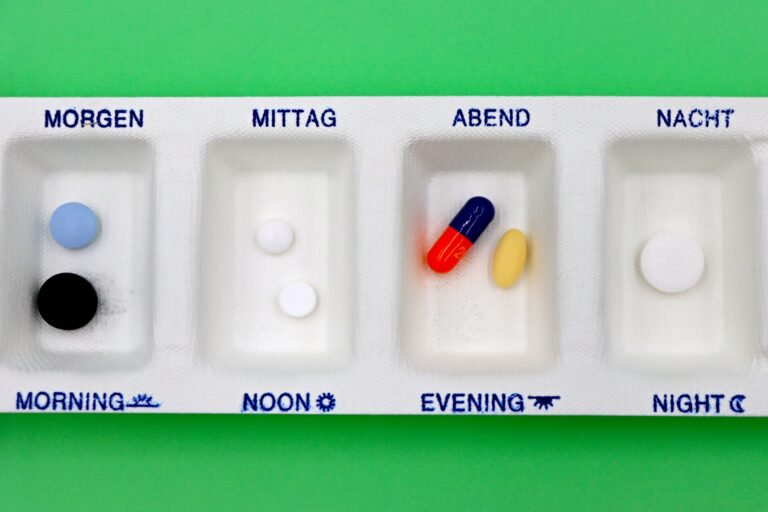
- Are there new medication risks or timing needs?
- Is new equipment required?
- Does the resident need a specialist or therapy service?
- Does the resident need more help with activities of daily living?
- Are current goals still realistic?
The care plan should remain individualized rather than becoming a generic disease checklist.
Translate recommendations into named tasks
For each new recommendation, identify:
| Recommendation | Who owns it? | When/How? |
|---|---|---|
| New medication/order | Nursing + authorized prescriber/pharmacy | ____________________ |
| Monitoring | Nursing/clinical team | ____________________ |
| Therapy evaluation | Therapy/care team | ____________________ |
| Equipment | Assigned department/vendor | ____________________ |
| Specialist follow-up | Scheduling/clinical team | ____________________ |
| Resident education/preferences | Care team | ____________________ |
If nobody can say who owns a task, the recommendation is at risk of becoming a note rather than care.
Ask whether a formal reassessment is needed
Federal rules require a comprehensive assessment after a significant change in status as defined by the regulation.
A new diagnosis does not automatically mean every resident meets that definition. The care team should determine whether the resident’s overall physical or mental status has changed enough to require the applicable reassessment.
Ask:
Does this diagnosis represent a significant change in status for this resident? If so, what assessment and care-plan review will occur?
Protect the resident’s voice
A new diagnosis can tempt everyone to focus on disease management and forget the resident’s goals.
Ask the resident, when possible:
- What matters most now?
- Which symptoms or limitations are most disruptive?
- Are there treatments or appointments they want explained more clearly?
- How much burden are new routines adding?
- Are prior goals still meaningful?
Federal care-planning rules call for resident goals and desired outcomes to be considered.
Confirm that the change reaches all relevant departments
A plan update may affect more than nursing.
Depending on the diagnosis, relevant teams may include:
- nursing;
- attending/covering clinician;
- pharmacy;
- physical, occupational, or speech therapy;
- dietary/nutrition;
- social services;
- activities;
- respiratory or other specialty services; and
- outside specialists.
Ask how the change is communicated across shifts and departments.
Do not wait for a care meeting when the resident is unstable
A scheduled care-plan meeting is not an emergency response tool.
If the new diagnosis is accompanied by acute symptoms or a meaningful deterioration, notify nursing staff promptly and request appropriate clinical evaluation.
Families should not change medication doses, device settings, prescribed diets, or clinical treatment while waiting for the plan to be updated.
Care-plan update request template
New diagnosis: ____________________
Diagnosing clinician/date: ____________________
Recommendations received: ____________________
Resident’s current changes: ____________________
New services/monitoring needed: ____________________
Equipment: ____________________
Appointments/tests: ____________________
Medication changes: ____________________
Resident goals/preferences: ____________________
Who owns each action: ____________________
Care-plan review date: ____________________
Frequently asked questions
Does every new diagnosis require a completely new care plan?
Not necessarily. The team should determine what changed in the resident’s needs, goals, orders, and services and revise the care plan accordingly. A significant status change may require a formal reassessment under federal rules.
Can family members ask for a care-plan review?
Families and resident representatives can raise concerns and ask how the new diagnosis is being incorporated. The resident’s rights and participation remain central.
What if the specialist recommendation is not clear?
Ask the nursing-home clinical team to clarify it with the treating clinician rather than guessing how it should be implemented.
The practical goal
A diagnosis should lead to a clear chain:
clinical recommendation → assessment of this resident → assigned care tasks → documented plan → follow-up.
Primary sources checked
- eCFR — 42 CFR § 483.20, Resident Assessment
- eCFR — 42 CFR § 483.21, Comprehensive Person-Centered Care Planning
- CMS — Nursing Home Guidance and Survey Resources
Editorial/source review: October 16, 2026. General education only. Whether a diagnosis requires reassessment, new services, monitoring, equipment, or treatment changes is an individualized clinical determination.
Next step for families: Browse senior-care communities to compare local options, or use the Care Finder to organize the care needs and your next questions. Always verify current services, staffing, clinical capability, costs, and availability directly with the provider.