Nursing Home Shift Changes: How Important Information Reaches the Next Team
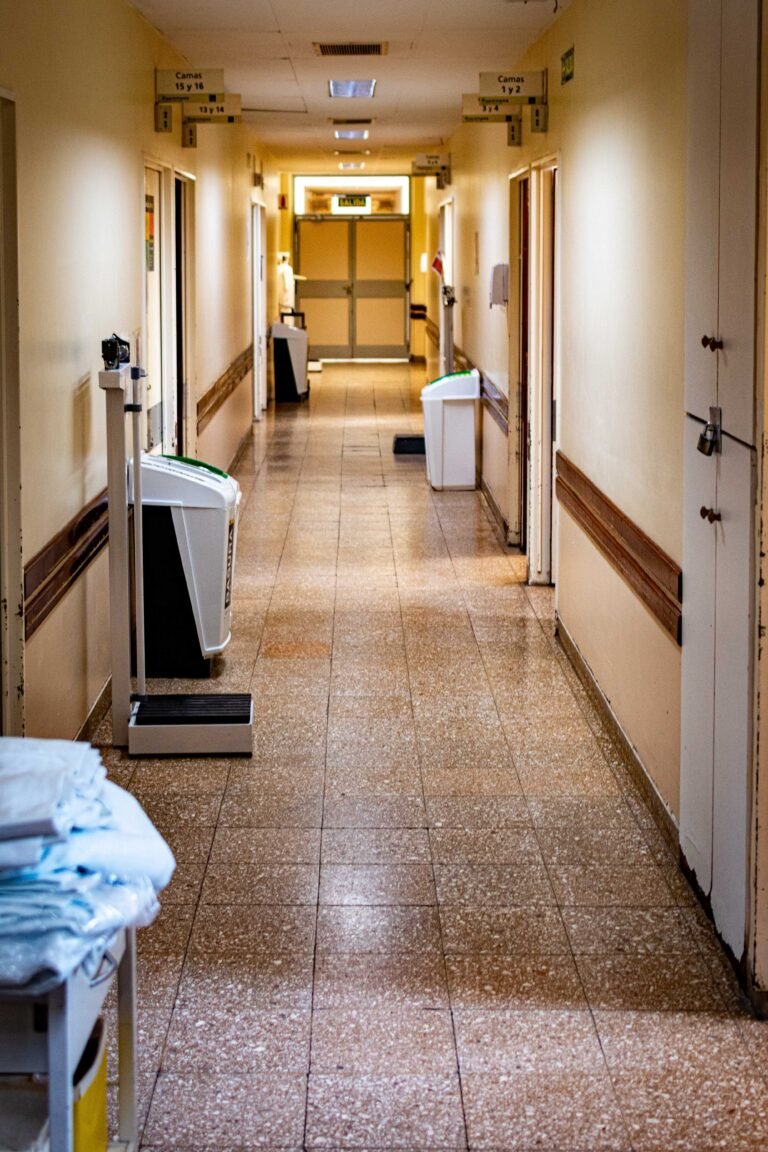
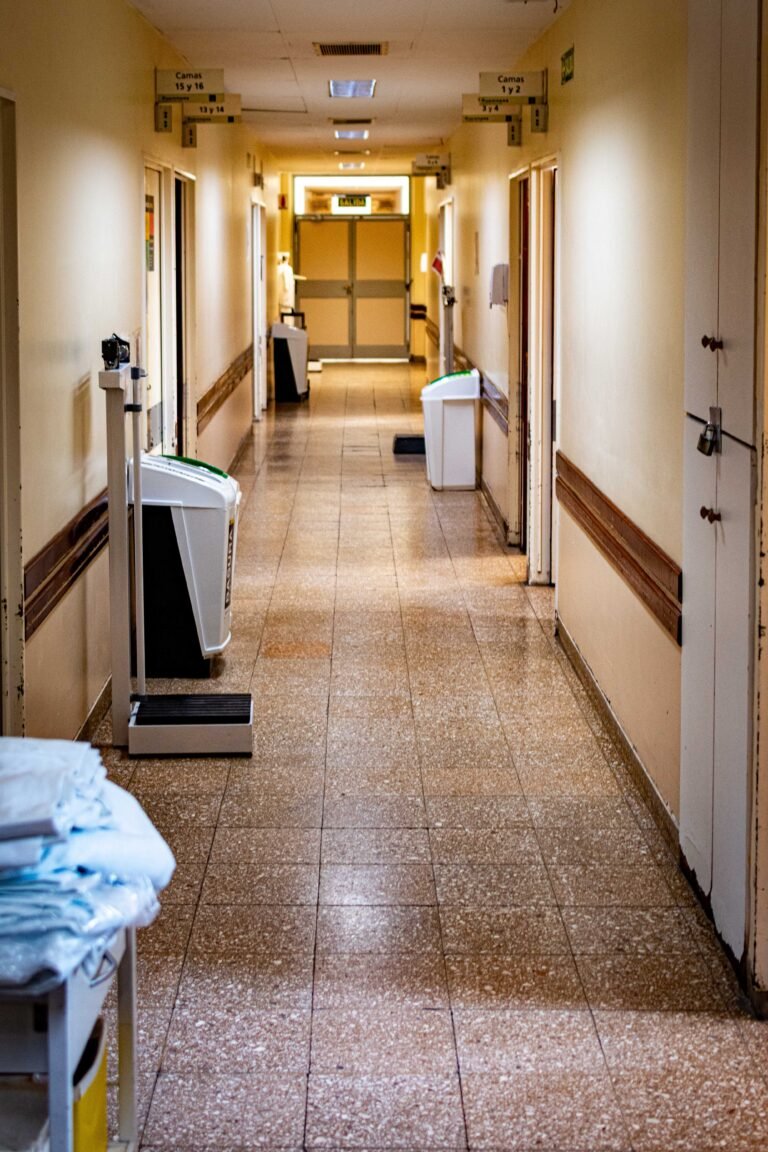
Nursing homes provide care around the clock, which means responsibility moves from one team to another every day.
A resident may have a new order at 3 p.m., a fall near dinner, poor intake at supper, a family concern at 9 p.m., and a specialist appointment the next morning.
The next shift needs enough information to continue safe care without forcing the resident or family to start over.
Healthcare quality guidance from the Agency for Healthcare Research and Quality describes a handoff as the transfer of information along with responsibility and accountability during transitions in care. Good handoffs clarify important changes, the plan, contingencies, and who owns the next actions.
Families do not need to dictate the facility’s handoff tool. They can ask whether the resident’s important information actually reaches the next team.
Ask what information is treated as high priority
A shift-to-shift process should be able to carry forward information such as:
- a significant recent condition change;
- new or changed practitioner orders;
- new medications or time-sensitive treatments;
- a fall, injury, or other incident needing follow-up;
- pending laboratory or diagnostic results;
- a specialist recommendation;
- a new skin, pain, eating, swallowing, toileting, or mobility concern;
- resident preferences that affect care; and
- unfinished actions from the outgoing shift.
Not every detail has equal urgency. Ask how the facility distinguishes routine information from something the incoming nurse needs to know immediately.
Focus on ownership, not just documentation
An electronic note can exist without anyone clearly owning the next step.
AHRQ handoff guidance emphasizes transfer of responsibility and confirmation that the receiving person understands the handoff.
For a family concern, ask:
What needs to happen next? ____________________
Who is responsible on this shift? ____________________
When should it be completed? ____________________
What should happen if the problem worsens? ____________________
That is often more useful than asking whether someone "put it in the chart."
Ask how new orders reach direct-care staff
Suppose the practitioner changes a mobility instruction, diet order, monitoring plan, treatment, or medication.
The family can ask:
- Where is the new order entered?
- How is the nurse alerted?
- How do aides or other direct-care staff learn the parts they need to carry out?
- How are therapy, dietary, pharmacy, or other departments notified when relevant?
- How is the next shift told that the order is new?
Families should not try to rewrite or relay clinical orders themselves. The goal is to confirm that the facility’s authorized clinical communication process is working.
Preferences can be lost too
Not every important handoff item is a medical order.
Examples include:
- the resident prefers a slow explanation before personal care;
- a hearing aid must be in place before a complicated discussion;
- the resident becomes anxious when awakened abruptly;
- a familiar toileting routine reduces distress; or
- the resident wants a specific representative called for routine updates.
Person-centered care depends on these details becoming part of the resident’s documented routine rather than existing only in one employee’s memory.
When the family has just reported a concern
Before leaving or ending the call, ask:
- Who has the concern now?
- Does it require a nurse or clinician to assess the resident?
- Is there an action the next shift must continue?
- How will that action be handed off?
- When should the family expect an update?
For a significant new clinical change, do not wait for shift change itself to solve the problem. Nursing staff should evaluate and escalate according to the resident’s needs and facility process.
Do not ask to see other residents’ handoff records
A family has a legitimate interest in whether their resident’s care information is being communicated.
That does not create a right to inspect a unit handoff sheet containing other residents’ private health information.
Ask for resident-specific confirmation:
- "Was my mother’s new order communicated to the night team?"
- "Who owns the follow-up on my father’s lab result?"
- "Is his preference now documented where the next shift can see it?"
Keep the question tied to the resident you are authorized to discuss.
Look for a pattern if information repeatedly disappears
One missed message can happen. Repeated loss of the same information deserves closer review.
Examples:
- every night shift seems unaware of a new care-plan change;
- the family repeatedly has to re-explain the same safety concern;
- specialist instructions are known on one shift and missing on the next;
- unresolved tasks repeatedly restart instead of progressing; or
- resident preferences disappear whenever regular staff are off.
Bring the pattern—with dates and examples—to nursing leadership or the care-plan team.
Family shift-continuity checklist
For a new or unresolved issue, write:
Issue/change: ____________________
Date/time reported: ____________________
Current nurse/team: ____________________
Action due: ____________________
Incoming shift needs to know: ____________________
Contingency if condition worsens: ____________________
Who will update family: ____________________
Expected follow-up: ____________________
Do not record another resident’s information in your notes.
Frequently asked questions
Is there one federally required nursing-home handoff format?
Do not assume a universal script. AHRQ describes structured handoff principles and tools, while facilities may use different workflows. Families can ask whether critical resident-specific information and responsibility are transferred reliably.
Should I call at every shift change to repeat the same information?
That should not be the only way important information is preserved. Ask the care team how a recurring preference, order, or concern can be documented in the resident’s ongoing plan and communicated internally.
What if the incoming nurse has never heard about an urgent issue I reported earlier?
Restate the urgent resident-specific facts so care is not delayed, then ask nursing leadership to review how the communication gap occurred and how follow-up will be protected.
The practical goal
A safe shift change should move forward not only information, but also ownership of unfinished work.
Families can help by asking concrete resident-specific questions without trying to access staff handoff documents or other residents’ private information.
Primary sources checked
- AHRQ TeamSTEPPS — Handoff
- AHRQ TeamSTEPPS — I-PASS
- eCFR — 42 CFR § 483.21, Comprehensive Person-Centered Care Planning
- eCFR — 42 CFR § 483.70(h), Medical Records
Editorial/source review: October 16, 2026. General education only. Shift-handoff methods, staff roles, EHR workflows, escalation rules, and privacy practices vary by facility and state. A significant or urgent change in condition requires prompt clinical evaluation rather than waiting for the next shift.
Next step for families: Browse senior-care communities to compare local options, or use the Care Finder to organize the care needs and your next questions. Always verify current services, staffing, clinical capability, costs, and availability directly with the provider.