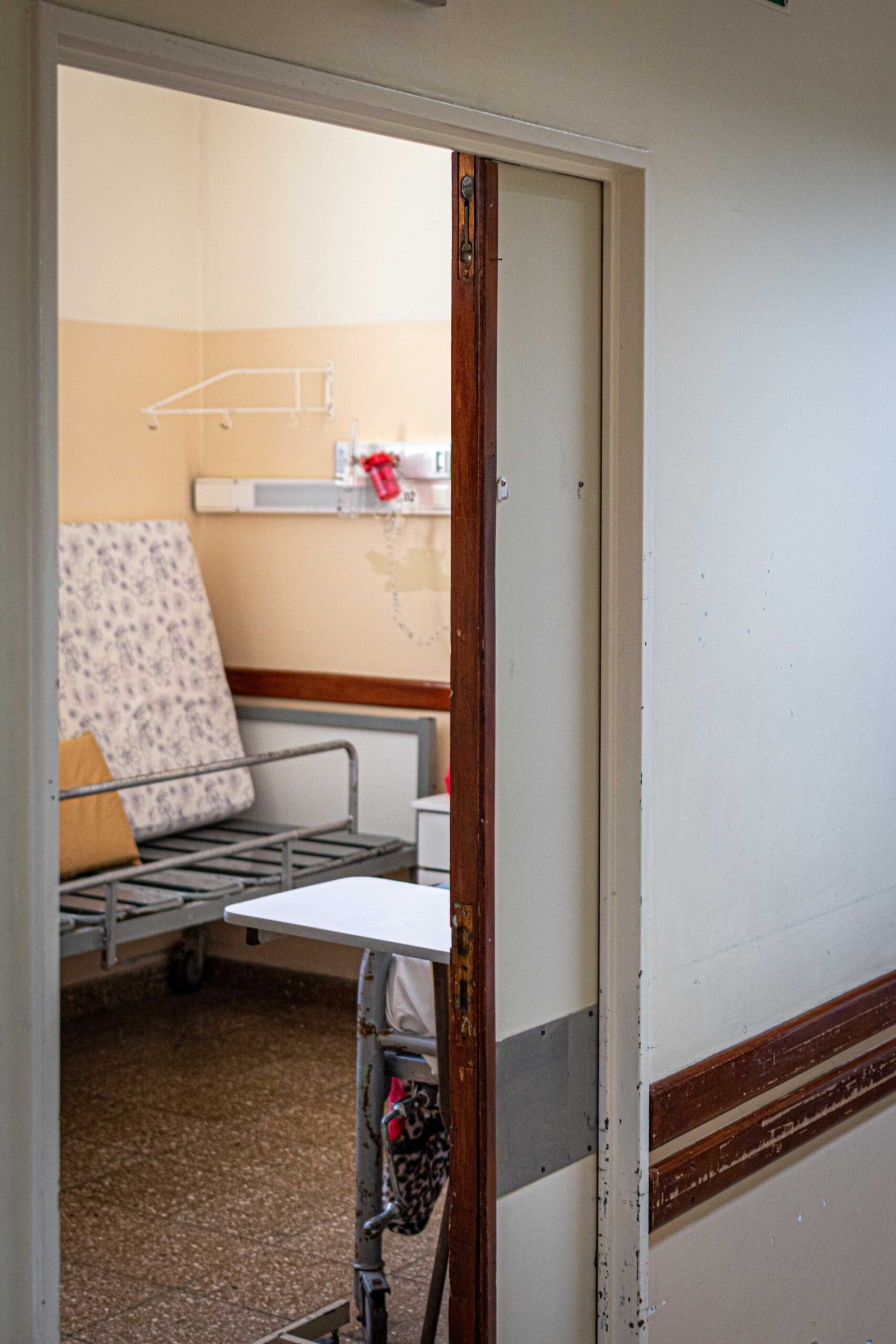
When a Care Facility Offers a Bed for Today Only
A call saying, “We have a bed, but we need an answer today,” can turn a long search into a high-pressure decision. The deadline may be real. It still does not answer whether the care is appropriate, whether payment is arranged, or whether the move can be completed safely.
The goal is not to delay for the sake of delaying. It is to identify the few facts that must be clear before your family treats the offer as a workable admission.
First ask what is actually expiring today
“Today only” can refer to different things. Ask the admissions coordinator:
“What exactly do we lose if we do not answer by the deadline—the specific room, the clinical approval, a quoted rate, or just this current opening?”
Then ask for the deadline and next step in plain language. A room that may be offered to another applicant is different from an insurance authorization expiring, and both are different from an incomplete clinical review.
Write down who gave the answer and when. Do not rely on a rushed family group chat to reconstruct the terms later.
Confirm that clinical acceptance is actually complete
A physical bed can be empty before the clinical team has approved the person’s needs. Ask whether admissions reviewed the current information, especially any recent change in mobility, transfer assistance, wounds, oxygen, dialysis, feeding support, cognition, behavior, infection status, or medication complexity.
Ask one direct question:
“Has the facility accepted the person’s current care needs for this admission, and are there any clinical conditions still outstanding?”
If the answer is conditional, identify the condition and who can resolve it. A missing assessment, order, medication detail, or equipment requirement is more useful information than a vague “we should be fine.”
This is different from NHP’s weekend admission guide, which focuses on having care operationally ready after arrival. Here, the decision is whether the same-day offer is sufficiently defined to accept in the first place.
Verify the room and arrival arrangement
Ask for the room or unit being offered, whether it is shared or private, and whether it is appropriate for the person’s mobility and equipment. If a private room matters, ask whether the current offer is actually private rather than assuming a brochure photo represents the available room.
Then confirm:
- the proposed arrival time;
- who will receive the resident;
- how transportation is being arranged;
- whether essential medications will be available;
- whether needed equipment will be ready; and
- what happens if an unresolved issue prevents arrival today.
A rushed move is not successful merely because the person reaches the building before the deadline.
Separate the payment decision from the room offer
Ask the business office or payer what is confirmed, what is pending, and what the family would owe if the pending item is denied.
For long-term care, Medicare generally does not pay for custodial nursing-home care. Medicare may cover qualifying skilled nursing facility care under separate requirements. Medicaid is state-administered and has its own eligibility and provider-participation rules.
Do not interpret “we accept Medicare,” “we take Medicaid,” or “your insurance is on file” as confirmation that this particular stay is covered.
Ask for the written rate and material charges before agreeing to private-pay terms. If the offer depends on an insurance network or authorization, ask who verified that requirement and whether anything is still outstanding.
Read the admission paperwork even when the clock is short
For Medicare- or Medicaid-certified nursing facilities, federal admissions rules prohibit requiring a third-party personal payment guarantee as a condition of admission or expedited admission. They also prohibit requiring a resident to waive Medicare or Medicaid rights. The rule is in 42 CFR §483.15.
That does not mean every contract term is optional or that every deposit is unlawful. It means urgency should not replace understanding who is signing, what role they are signing in, and what payment obligation the document creates.
Use NHP’s guides on representative versus personal-guarantor signatures and nursing-home deposits and upfront fees if those issues appear in the packet.
Use a five-minute essentials check
If the clinical and financial teams are available, these questions can often be answered quickly.
| Confirm before saying yes | Ask this |
|---|---|
| Actual offer | “Which room or unit is being offered, and until what time?” |
| Clinical acceptance | “Have you accepted the current care needs without another clinical condition?” |
| Payment | “What payment or authorization is confirmed, and what could we owe if a pending decision changes?” |
| Arrival safety | “Are medications, equipment, transport, and the receiving nurse arranged?” |
| Contract | “Can you send the admission agreement and written charges now so we know what we are agreeing to?” |
If one item cannot be answered, record the gap. Some gaps are manageable; others may be the reason not to treat the offer as ready.
Know what not to trade away for speed
Do not knowingly omit a care need because you fear losing the bed. An admission decision based on incomplete information can produce a failed transfer, unsafe care, or another move.
Do not sign for someone else without understanding your authority and role. Do not assume a promise to “work out insurance later” means the family has no financial exposure. Do not send medical records to an unverified personal email simply because the deadline is close.
If the person is still in a hospital, ask the discharge planner to help resolve the receiving facility’s clinical and transport questions. A hospital’s discharge timing does not itself guarantee that a particular facility offer is suitable.
A hypothetical example
A family is told at 10 a.m. that a nursing-home bed must be accepted by 2 p.m. The facility has reviewed the hospital referral, but the family learns that approval for a high-cost medication is still unresolved and the quoted rate was only verbal.
Instead of declining automatically, they ask admissions to confirm the room, the nurse confirms clinical acceptance, the business office sends the written charges, and the pharmacy issue gets a named owner. At 1 p.m., the family has a defined offer rather than only a deadline.
The lesson is not that every same-day offer should be accepted. It is that the decision improves when the deadline is broken into the actual clinical, financial, and logistical questions.
If the offer is not workable
Ask whether declining this room removes the person from consideration entirely or only releases the current opening. If another facility is also under consideration, document the answer rather than assuming a second chance will occur.
If care is urgent and no safe placement is confirmed, ask the treating team or responsible care coordinator about the immediate safe plan. Do not use a routine directory search as a substitute for urgent medical or discharge planning.
Sources and scope
Sources checked October 15, 2026. This guide provides general care-navigation information, not a legal, medical, insurance, or eligibility determination. Facility policies and state law can add requirements. Confirm the actual offer, current clinical acceptance, payment, and paperwork with the responsible facility and professionals.